


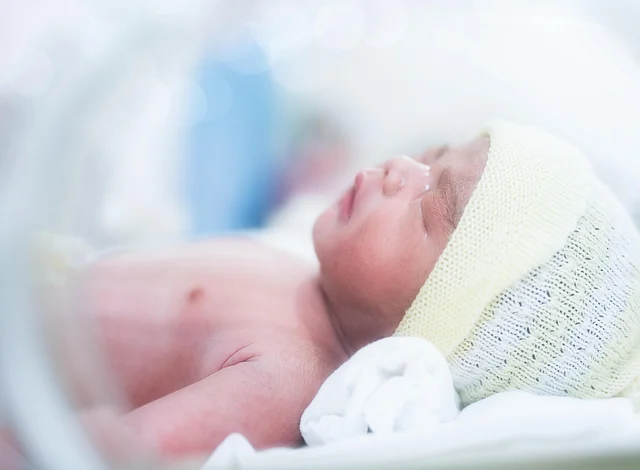
Program also helps caregivers prepare to care for these infants after discharge to home
TUESDAY, Jan. 17, 2023 (HealthDay News) — Nurses perceive that a novel rooming-in program for caregivers of infants with critical congenital heart disease (CCHD) may improve outcomes, according to a study published in the January issue of the American Journal of Critical Care.
Jenna Shackleford, Ph.D., R.N., from Kennesaw State University in Georgia, and colleagues assessed nurses’ perceptions of a novel rooming-in program implemented for infants with CCHD. The analysis included a coded analysis of three focus groups (13 registered nurses).
The researchers found that three themes emerged: improved nursing and family outcomes; leading the way through collaboration; and room for improvement. Nurses described room for improvement as ensuring discharge readiness of caregivers and the need for more consistency in deciding which caregivers passed the rooming-in assessment.
“Infants with CCHD have complex needs, and caregivers must be prepared to care for these infants after discharge to home. Although research has been conducted on rooming-in programs in other settings and populations, little is known regarding rooming-in for caregivers of infants with CCHD,” the authors write. “This study is the first to explore nurses’ perceptions of a rooming-in program for infants with CCHD. The findings could improve rooming-in programs in the pediatric acute care setting, which can translate to better patient outcomes.”
 Higher Parental Vitamin B12 Tied to Lower Prevalence of Birth Defects
  Paternal Exposure to Valproate Not Linked to Offspring Neurodevelopmental Disorders
  Factors Identified in Disparities of Response to Patient Messages
  Number of Health Care Workers Has Increased 198.5 Percent Since 1990
  2013 to 2024 Saw Decrease in Benzodiazepine Prescribing
  Screening + Online Cognitive Behavioral Therapy Program Aids Nurses" Mental Health
  Odds of Imaging Order Higher When Clinicians Self-Interpret
  Physical Exams May Not Reliably Diagnose Pediatric Pneumonia
.jpg)



