


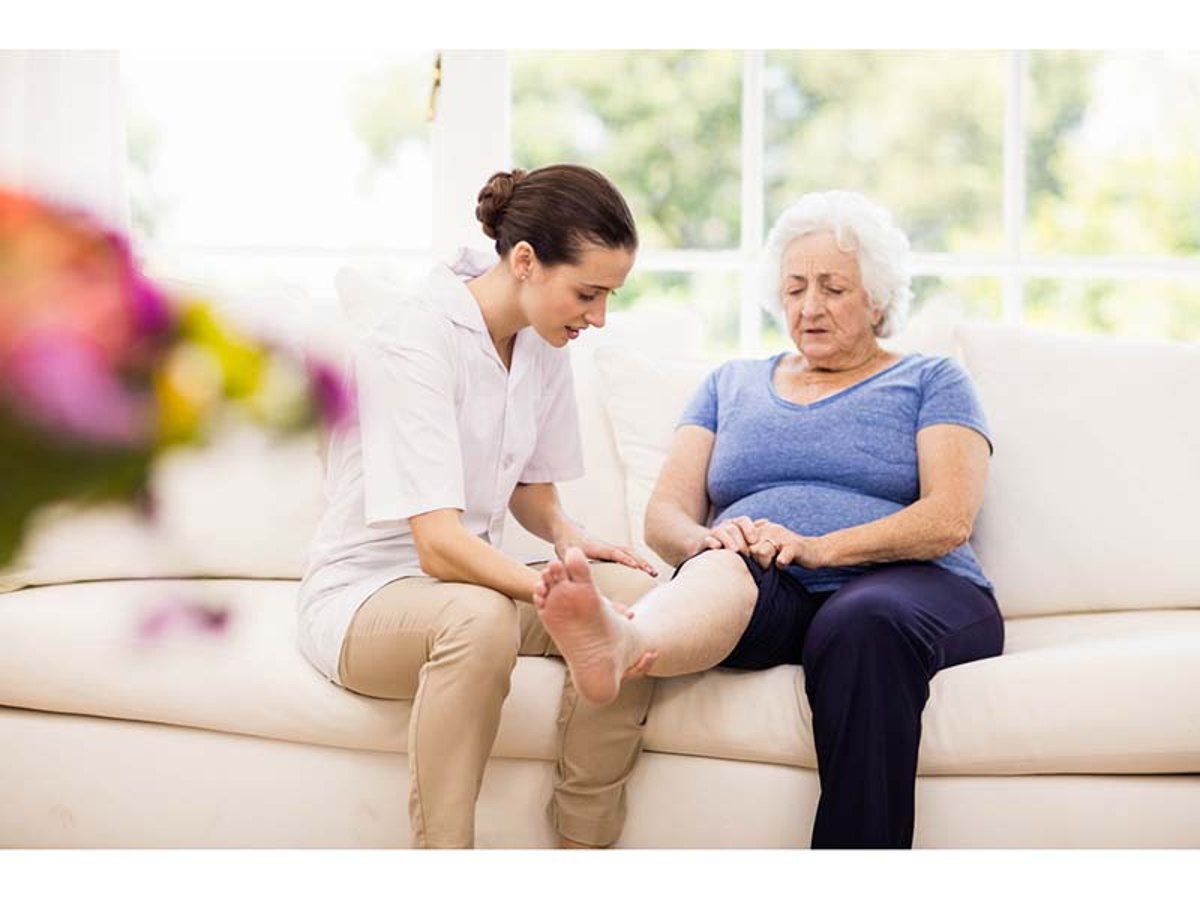
Rural home health care agencies perform better on process measures; urban agencies perform better on outcome measures
THURSDAY, Jan. 13, 2022 (HealthDay News) — There are significant and persistent differences in quality of care between rural and urban home health agencies, according to a study published online Jan. 5 in the Journal of Rural Health.
Chenjuan Ma, Ph.D., from New York University Rory Meyers College of Nursing in New York City, and colleagues used data from the 2014 to 2018 national Home Health Compare and Providers of Service Profile to assess disparities in quality performance between rural and urban home health agencies. The analysis included 7,908 home health agencies, of which 1,537 were rural agencies.
The researchers found that rural agencies were less likely to be for-profit and accredited and were more likely to be hospital-based, serve both Medicare and Medicaid beneficiaries, and have hospice programs. There was consistent outperformance by rural agencies on timely initiation of care over time, while urban agencies consistently outperformed on hospitalization and emergency department visits over time. Over time, these gaps between rural and urban agencies were steady, with the exception of the gap in hospitalization, which slightly narrowed.
“Our study highlights the persistence of disparities in quality of home health care,” Ma said in a statement. “Limited improvements have been made in the quality of home health care over time, and the gaps in quality of care did not significantly shrink between rural and urban agencies.”
Abstract/Full Text (subscription or payment may be required)
 Air Pollution Does Not Impair Benefits of Walking in Reducing COPD Exacerbation Rate
  Screening + Online Cognitive Behavioral Therapy Program Aids Nurses" Mental Health
  Disparities Identified in Home Health Care After Hip, Knee Replacement
  Freshwater Swimming Tied to Stomach Bugs, Skin Conditions
 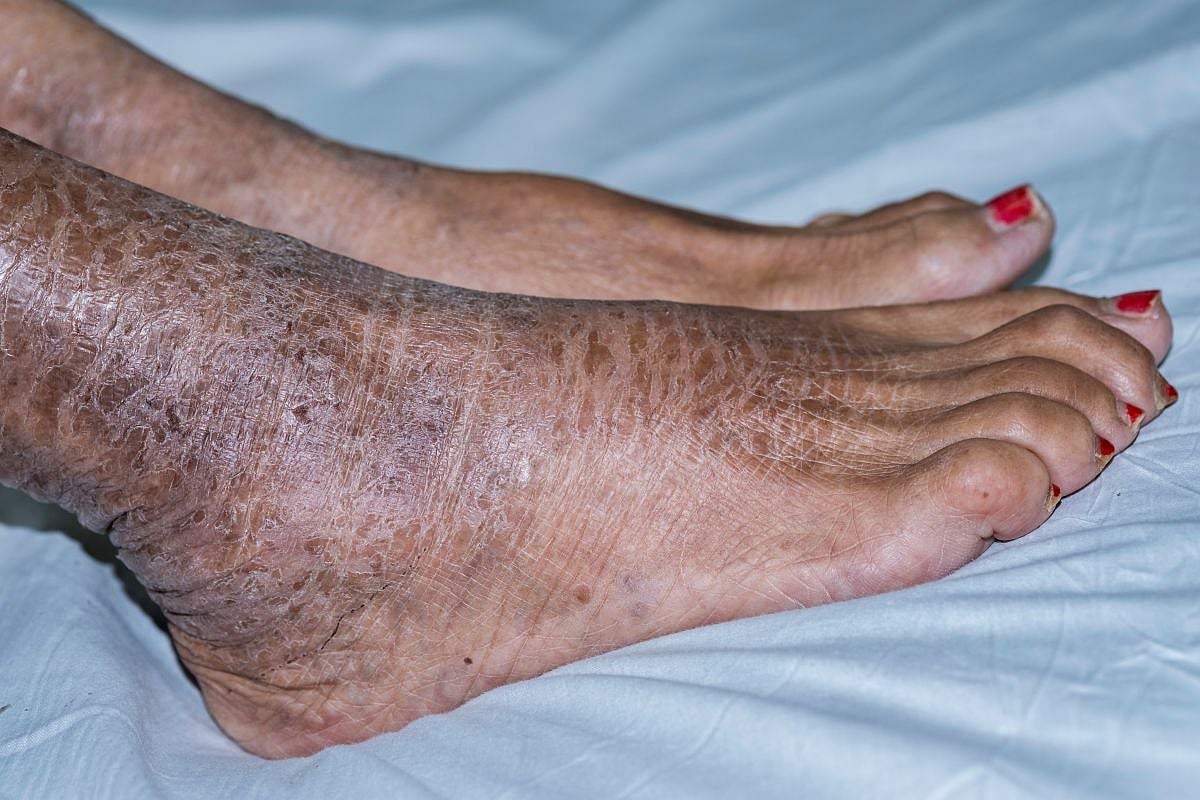 Congenital Ichthyosis Linked to Allergic Disorders
  Distinct Skin Microbiome Features Emerge Before Atopic Disease Onset in Infants
 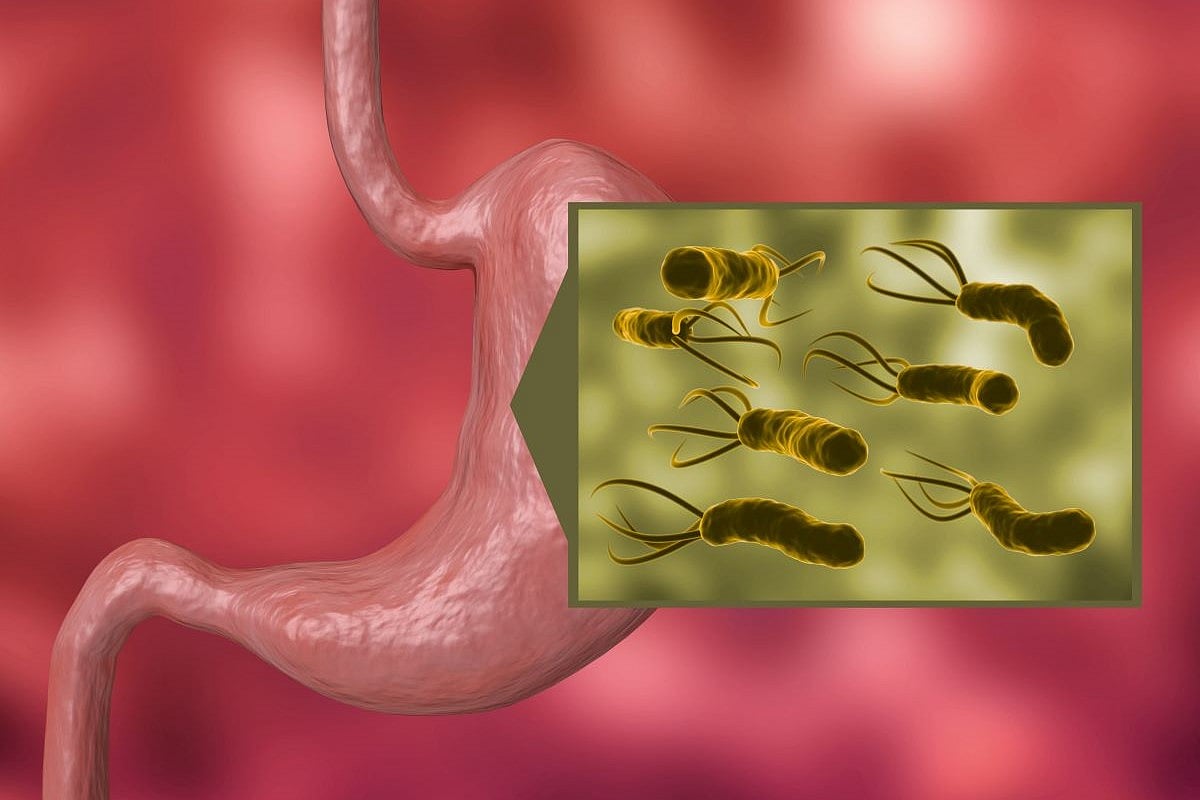 H. Pylori Exposure May Contribute to Global Burden of Colorectal Cancer
  About 1 in 20 Hospitalized U.S. Adults With Firearm Injuries Develop Bacterial Infections


.jpg)

