


No significant association seen with presence of multiple islet autoantibodies, single high-affinity islet autoantibodies in children, teens
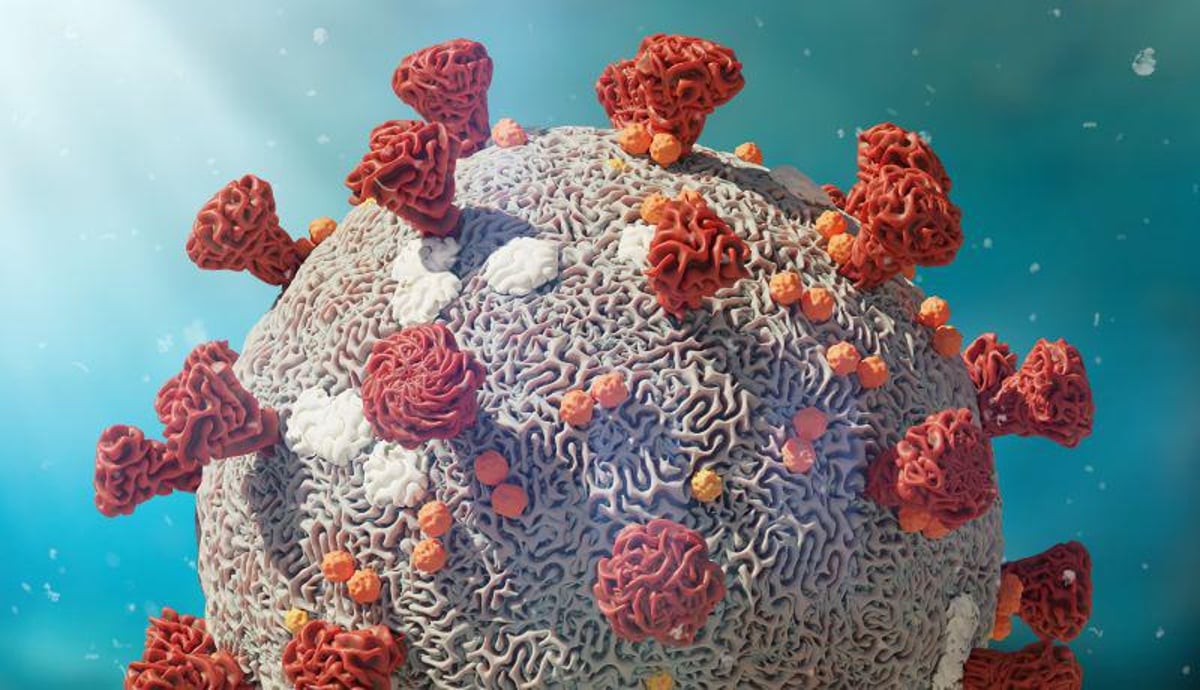
TUESDAY, Aug. 9, 2022 (HealthDay News) — There appears to be no association between severe acute respiratory syndrome coronavirus 2 (SARS-CoV-2) infection and autoimmunity related to type 1 diabetes development in children and adolescents, according to a research letter published online Aug. 5 in the Journal of the American Medical Association.
Marian Rewers, M.D., Ph.D., from the Barbara Davis Center for Diabetes at the University of Colorado in Aurora, and colleagues offered a cross-sectional screening for islet autoantibodies and SARS-CoV-2 antibodies to children and adolescents aged 1 to 18 years participating in the Autoimmunity Screening for Kids study in Colorado and to children aged 1 to 10.9 years from the Frida study in Bavaria, Germany. The presence of multiple or single high-affinity islet autoantibodies that carry, respectively, a 50 and 30 percent risk for progression to clinical diabetes in five years was assessed as a study outcome.
The researchers found that 32.3 percent of the 4,717 Colorado youths and 6.1 percent of the 47,253 Bavarian children had prior SARS-CoV-2 infection. Multiple islet autoantibodies were detected in 0.45 and 0.30 percent of children from Colorado and Bavaria, respectively, and 0.55 and 0.11 percent of youths, respectively, were positive for a single high-affinity islet autoantibody. There was no difference observed in the prevalence of multiple or single high-affinity islet autoantibodies between youths with and without previous SARS-CoV-2 infection in either cohort. After controlling for confounders, previous SARS-CoV-2 infection was not significantly associated with the presence of multiple islet autoantibodies or a single high-affinity islet autoantibody.
“Long-term follow-up of persons with preexisting autoimmunity is necessary to determine whether SARS-CoV-2 accelerates progression to clinical diabetes,” the authors write.
.jpg) Time-Restricted Eating May Help Patients With Type 1 Diabetes
Time-Restricted Eating May Help Patients With Type 1 Diabetes  ~16 Percent of COVID Cases Develop Postacute Sequelae of SARS-CoV-2
  Maternal Diabetes Linked to Increased Risk for Epilepsy in Offspring
  Preexisting Medical Conditions Linked to Range of Botox Injection Complications
  Congenital Ichthyosis Linked to Allergic Disorders
  Study IDs Risk Factors for Ketoacidosis in Adults With T2D Receiving SGLT2 Inhibitors
  Distinct Skin Microbiome Features Emerge Before Atopic Disease Onset in Infants
  Updated Recommendations Address Medications to Prevent Migraine in Adults


.jpg)

