


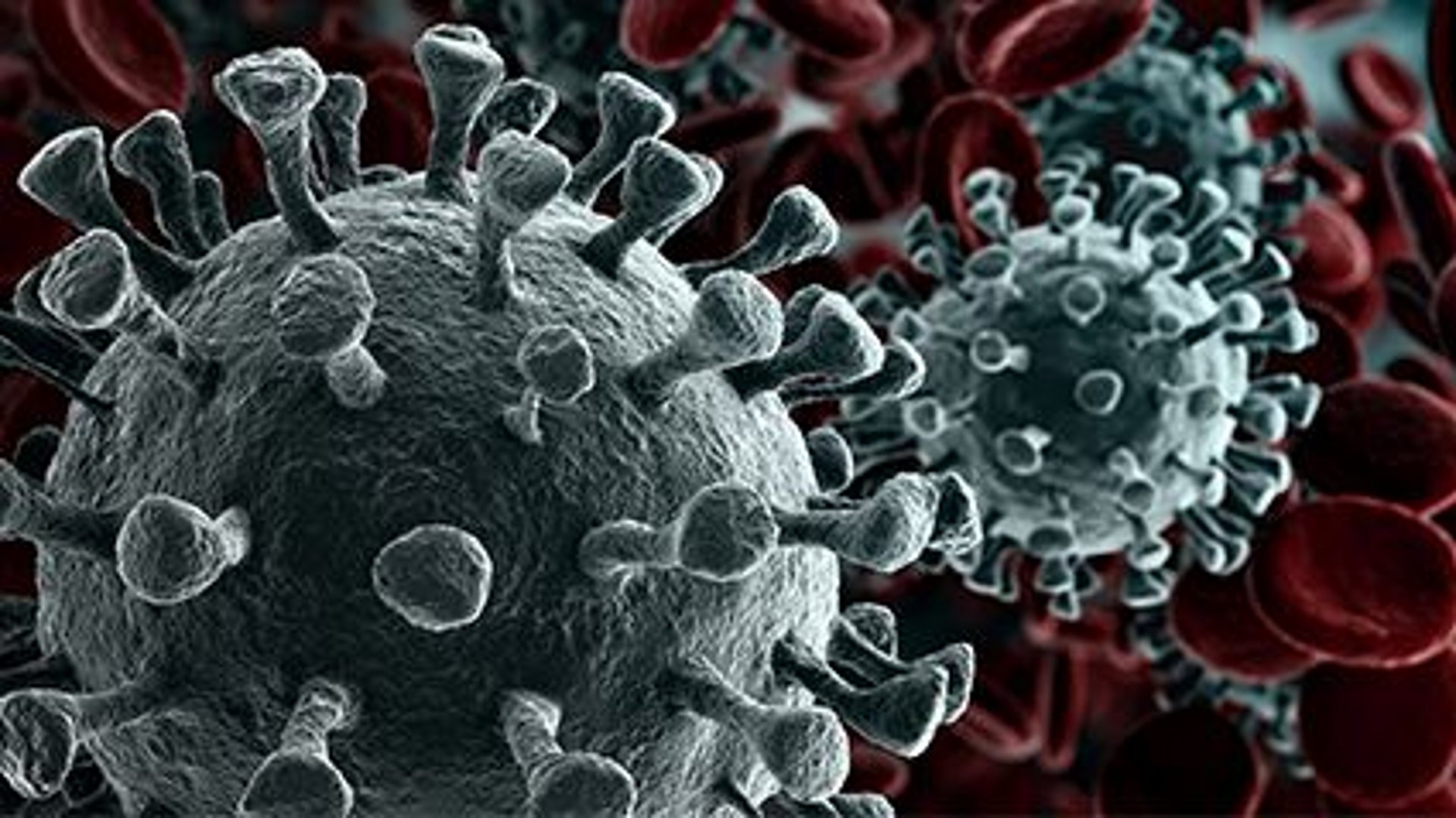
Among Marine Corps recruits, about 2 percent who were negative for SARS-CoV-2 at start of supervised quarantine tested positive by day 14
MONDAY, Nov. 16, 2020 (HealthDay News) — Transmission of severe acute respiratory syndrome coronavirus 2 (SARS-CoV-2) can occur even under supervised quarantine conditions, according to a study published online Nov. 11 in the New England Journal of Medicine.
Andrew G. Letizia, M.D., from the Naval Medical Research Center in Silver Spring, Maryland, and colleagues examined SARS-CoV-2 infection among U.S. Marine Corps recruits who underwent a two-week quarantine at home followed by a second supervised two-week quarantine at a closed college campus.
Within two days after arrival on campus, 16 of the 1,848 recruits who volunteered to participate in the study tested positive for SARS-CoV-2 (0.9 percent); 15 were asymptomatic. On day 7 or 14, 35 additional participants (1.9 percent) tested positive. Overall, 9.8 percent of the 51 who tested positive at any time had symptoms in the week before a positive test. Of the 1,554 recruits who declined to participate in the study, 1.7 percent tested positive on day 14. No infections were identified through testing as a result of daily symptom monitoring. Six transmission clusters among 18 participants were identified on analysis of 36 SARS-CoV-2 genomes obtained from 32 participants. Multiple local transmission events were supported by epidemiologic evidence, including transmission between roommates and among recruits in the same platoon.
“The data from this large study indicates that in order to curtail coronavirus transmission in group settings and prevent spill-over to the wider community, we need to establish widespread initial and repeated surveillance testing of all individuals regardless of symptoms,” a coauthor said in a statement.
 ~16 Percent of COVID Cases Develop Postacute Sequelae of SARS-CoV-2
  Parts of the World Seeing New COVID-19 Variant
  HHS, NIH Unveil Vaccine Initiative to Protect Against Future Pandemics
  Hospital-Onset SARS-CoV-2 Infection During Omicron Linked to Morbidity
  Staffing, Scheduling, and Wage Changes Could Reattract Nurses Back to Hospitals
  Skilled Nursing Facility Capacity Declined Between 2019 and 2024
  Physical Design of Critical Care Units Influences Nursing Culture
  Low Capability Pediatric Hospitals More Than Doubled From 2003 to 2022




