


Vaccine effectiveness for all three vaccines decreased from 91 percent in months preceding delta predominance
WEDNESDAY, Aug. 25, 2021 (HealthDay News) — The vaccine effectiveness (VE) against severe acute respiratory syndrome coronavirus 2 (SARS-CoV-2) infection decreased to 66 percent when the delta variant became predominant, according to research published in the Aug. 24 early-release issue of the U.S. Centers for Disease Control and Prevention Morbidity and Mortality Weekly Report.
Ashley Fowlkes, Sc.D., from the CDC COVID-19 Response Team, and colleagues updated VE estimates for all COVID-19 vaccines available through Aug. 14, 2021, and examined whether VE differed with increasing time since completion of recommended doses. Health care personnel, first responders, and other essential and frontline workers in eight U.S. locations across six sites were tested weekly for SARS-CoV-2 infection and upon onset of any COVID-19-like illness.
Among 4,217 participants, 83 percent were vaccinated; of these, 65, 33, and 2 percent received the Pfizer-BioNTech, Moderna, and Janssen (Johnson & Johnson) vaccines, respectively. The researchers found that the adjusted VE was 80 percent against SARS-CoV-2 infection. The VE point estimate was 85 and 73 percent among participants for whom <120 days and ≥150 days, respectively, had elapsed since completion of vaccination; the difference was not statistically significant. The adjusted VE during the period of delta predominance (weeks when the delta variant accounted for ≥50 percent of viruses sequenced) was 66 percent compared with 91 percent in the months preceding delta predominance.
“Although these interim findings suggest a moderate reduction in the effectiveness of COVID-19 vaccines in preventing infection, the sustained two-thirds reduction in infection risk underscores the continued importance and benefits of COVID-19 vaccination,” the authors write.
 Nearly 3 in 4 Older Adults Express Interest in Vaccine to Prevent Dementia
 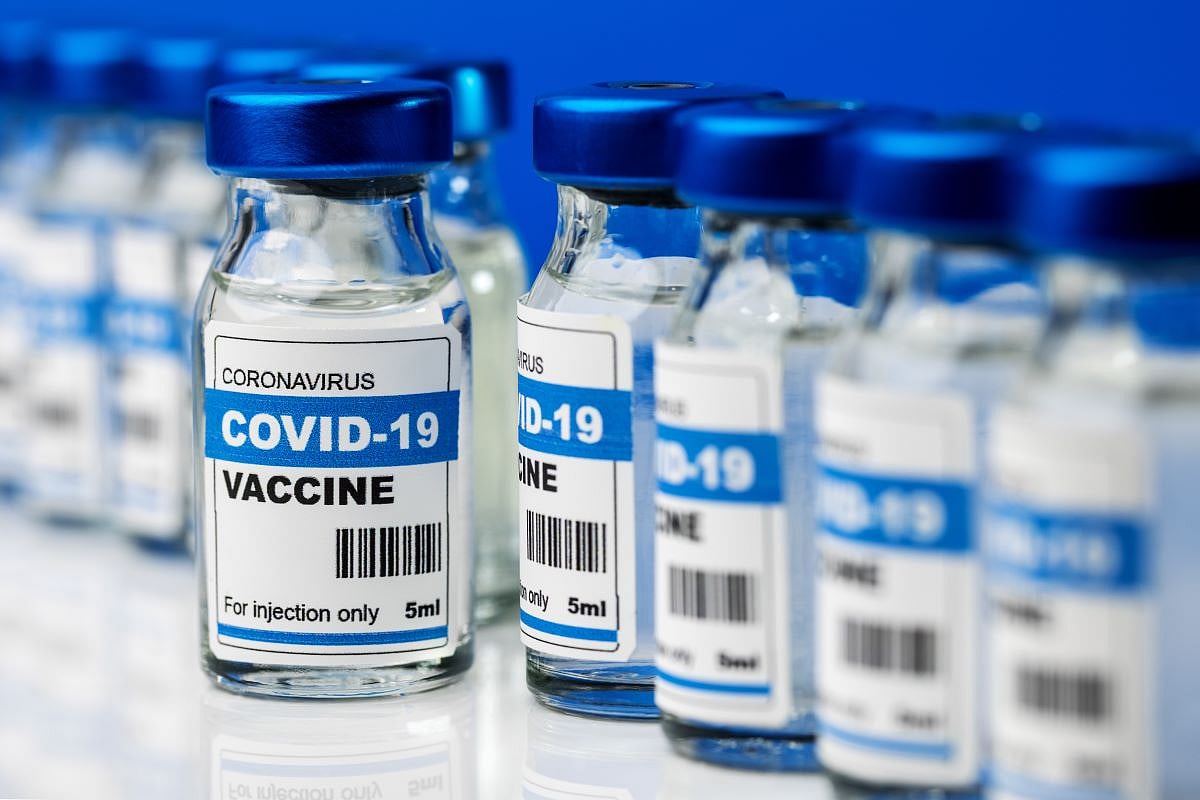 Updated COVID-19 Shot Beneficial for Those With Autoimmune Rheumatic Disease
  Trends Reported in Vaccination Coverage for Adolescents for 2025
  AAP Issues Recommendations for Pediatric RSV Vaccination in 2026-2027 Season
  4CMenB Vaccine Confers Modest Protection Against Gonorrhea in Teens
  AAP Releases Influenza Vaccine Recommendations for All Children 6 Months and Older
 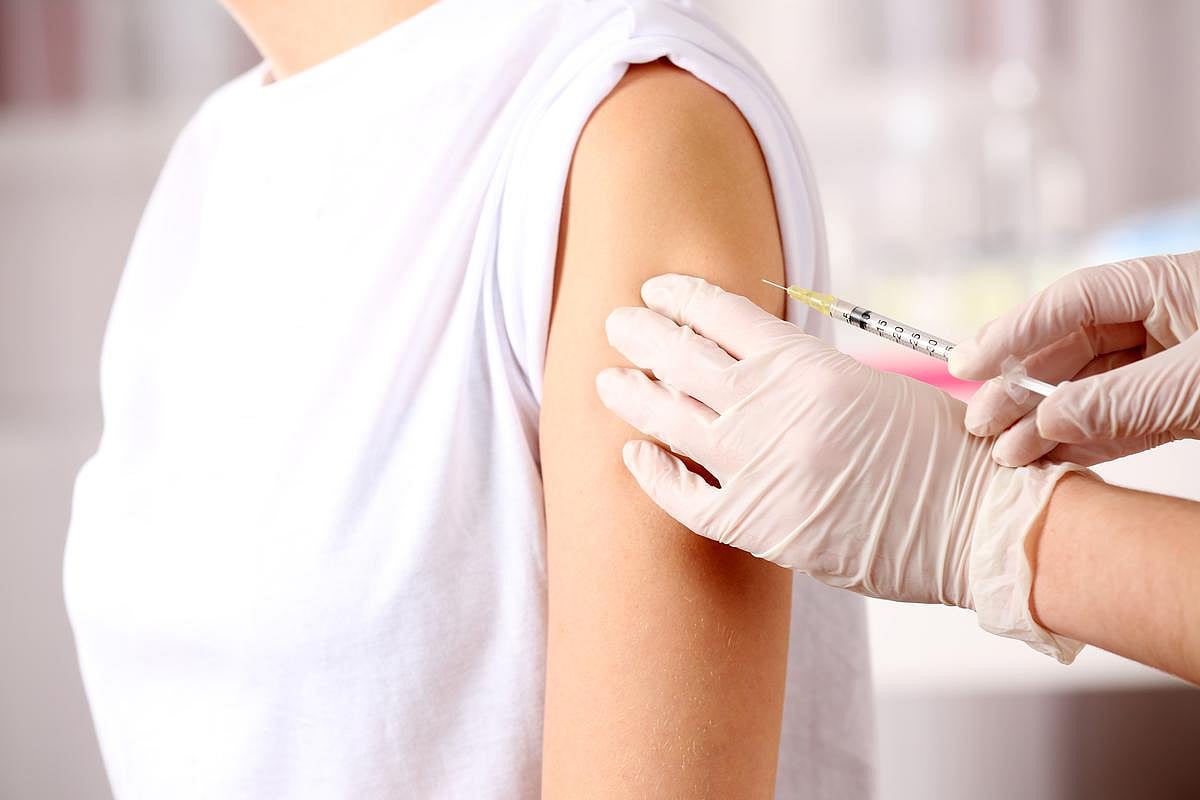 Adverse Event Risk Not Up With Same Day COVID-19, Flu Vaccination


.jpg)

