


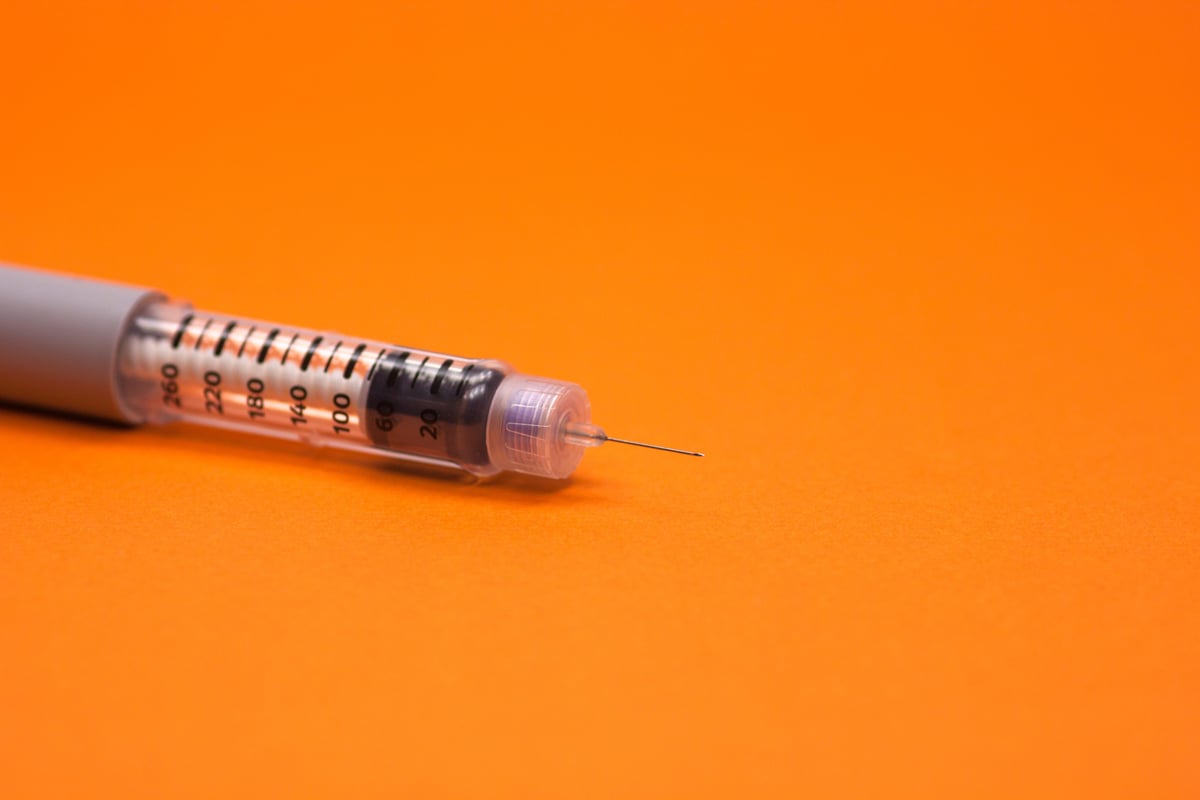
Sustained treatment with semaglutide needed to maintain reduction in risk for type 2 diabetes
TUESDAY, Sept. 27, 2022 (HealthDay News) — Semaglutide reduces the 10-year risk for type 2 diabetes (T2D) in obese or overweight individuals, and sustained treatment is needed to maintain this risk reduction, according to a study presented at the annual meeting of the European Association for the Study of Diabetes, held from Sept. 19 to 23 in Stockholm.
Timothy Garvey, M.D., from the University of Alabama at Birmingham, and colleagues examined whether semaglutide could reduce the increased risk for type 2 diabetes associated with obesity in an analysis of data from two trials of semaglutide. STEP1 included 1,961 participants with overweight or obesity who received 2.4 mg semaglutide or placebo weekly for 68 weeks. STEP4 included 803 participants with overweight or obesity who all received semaglutide for 20 weeks and then remained on semaglutide or were switched to placebo for 48 weeks.
The researchers found that in STEP1, the 10-year risk scores for T2D decreased 61 percent, from 18.2 percent at week 0 to 7.1 percent at week 68, compared with a 13 percent reduction among those receiving placebo (from 17.8 to 15.6 percent at weeks 0 and 68, respectively). The risk scores corresponded with weight loss, which was 17 and 3 percent, on average, with semaglutide and placebo, respectively. In STEP4, in the first 20 weeks, the decreases in risk scores were largest (from 20.6 to 11.4 percent); this score reduced further to 7.7 percent among those continuing to receive semaglutide and increased to 15.4 percent among those who switched to placebo.
“Given the rising rates of obesity and diabetes, semaglutide could be used effectively to reduce the burden of these chronic diseases,” Garvey said in a statement.
Two authors disclosed financial ties to pharmaceutical companies, including Novo Nordisk, which manufactures semaglutide and funded the trial.
.jpg) Most Specialty Oral Anticancer Meds for Blood Cancers Are Initially Rejected by Insurers
Most Specialty Oral Anticancer Meds for Blood Cancers Are Initially Rejected by Insurers  Drug Interactions Reducing Contraceptive Effectiveness Common in Epilepsy
 .jpg) Pregnancy Complications Linked to Subsequent Risk for Cardiometabolic-Renal Conditions
Pregnancy Complications Linked to Subsequent Risk for Cardiometabolic-Renal Conditions  1 in 3 With Lupus Take Supplements, Medications With Potential for Interactions
  Holding DMARDs at Time of COVID-19 Vaccine Not Warranted in Those With Inflammatory Arthritis
  2013 to 2024 Saw Decrease in Benzodiazepine Prescribing
  GLP-1 Receptor Agonists, SGLT-2is Slow Renal Function Decline in T2D With Albuminuria
  Polypharmacy of Prescription Medications Increased for U.S. Older Adults




