 Twofold higher risk seen for diabetes patients with a severe hypoglycemia event
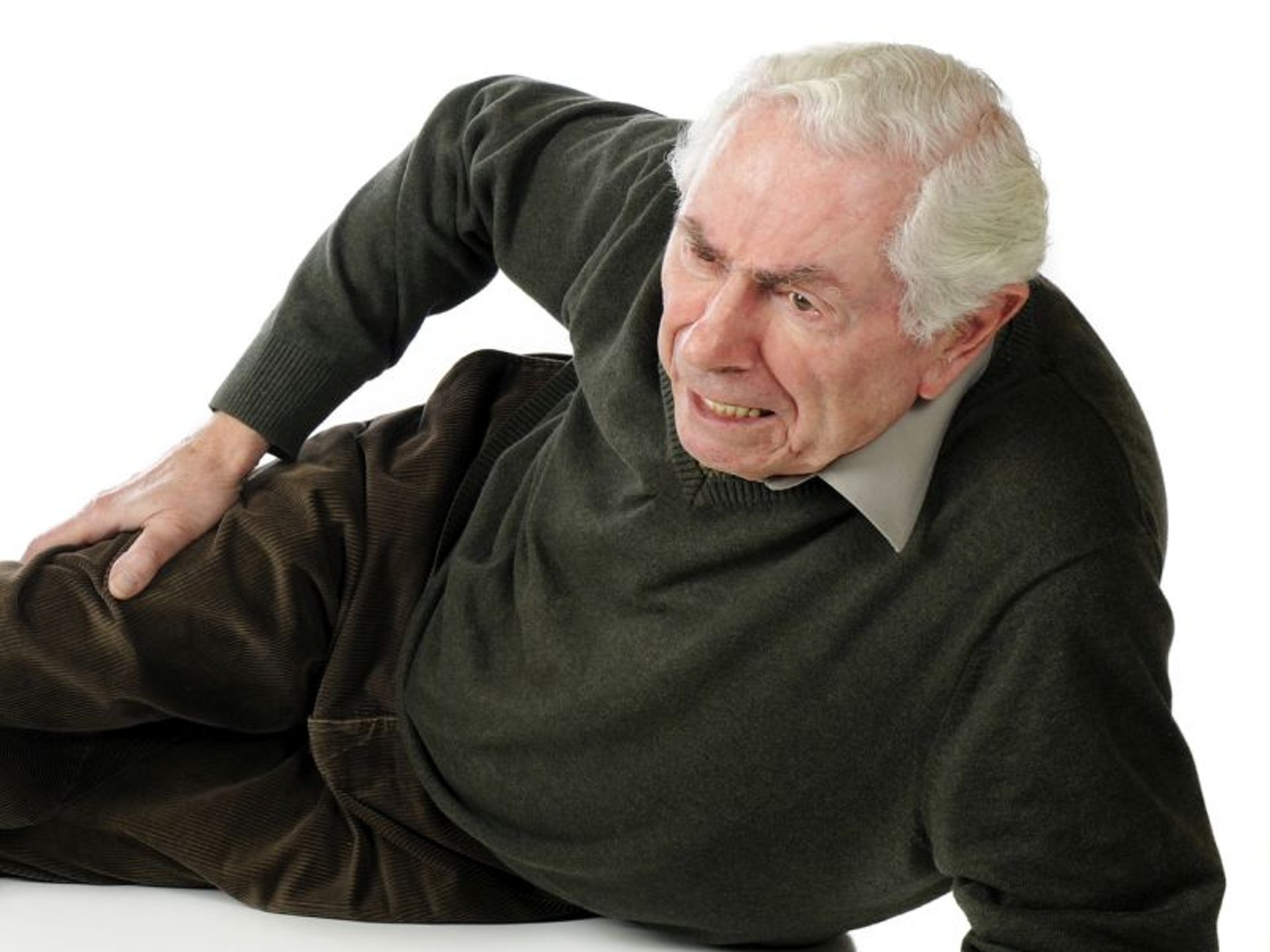
FRIDAY, Sept. 4, 2020 (HealthDay News) — Severe hypoglycemia is associated with a substantially higher risk for falls among community-dwelling adults with type 2 diabetes, according to a study published in the September issue of Diabetes Care.
Alexandra K. Lee, Ph.D., from the University of California in San Francisco, and colleagues used data from the Atherosclerosis Risk in Communities study to identify 1,162 participants with diagnosed diabetes at visit 4 (1996 to 1998). The authors evaluated the association between severe hypoglycemia and falls.
The researchers found that 149 participants (12.8 percent) ever had a severe hypoglycemic event either before baseline or during the median of 13.1 years of follow-up. The rate of falls among persons without severe hypoglycemia was 2.17 per 100 person-years versus 8.81 per 100 person-years for individuals with severe hypoglycemia. Severe hypoglycemia was associated with a higher risk for falls in an adjusted analysis (hazard ratio, 2.23). Findings were consistent when examining subgroups by age, sex, race, body mass index, duration of diabetes, or functional difficulty.
“Fall risk should be considered when individualizing glycemic treatment in older adults,” the authors write. “Assessing hypoglycemia history and future hypoglycemia risk could also improve multifactorial fall prevention interventions for older adults with diabetes.”
Abstract/Full Text (subscription or payment may be required)
 Pharmacist-Led Med Review Improves Medication Quality in Older Patients With Cancer
  Lower Vertebral Bone Mineral Density Linked to Cognitive Decline
  Myeloma Risk Modestly Increased in Adults With Incidentally Detected Vertebral Fracture
  Multicomponent Interventions Offer Little Impact on Fall Risk
  Nearly 3 in 4 Older Adults Express Interest in Vaccine to Prevent Dementia
 .jpg) Mortality Lowest at Hemoglobin Concentrations Above WHO Thresholds
Mortality Lowest at Hemoglobin Concentrations Above WHO Thresholds  ED Visits for Gambling Disorder Spike After Canada Liberalizes Online Gambling
  Nearly 2 in 3 Poison Exposures in Young Children May Not Need the ED

.jpeg)