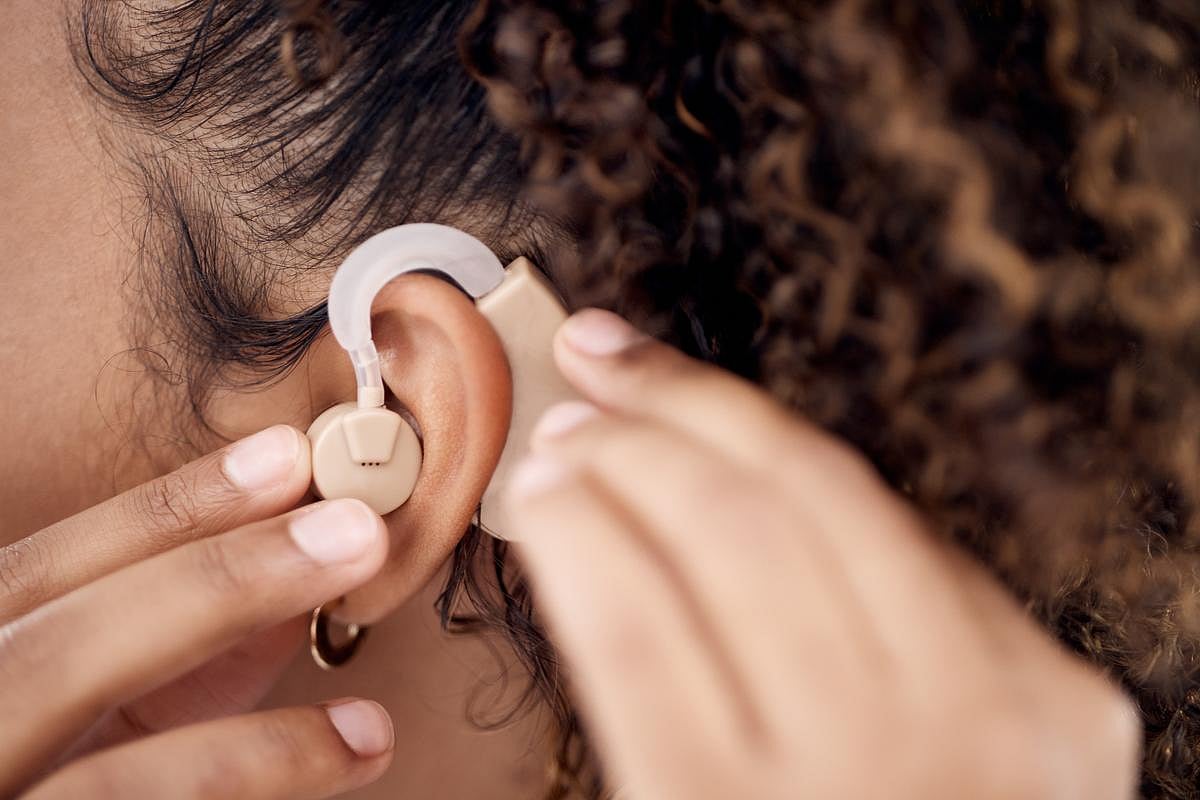
Overall prevalence of hearing loss in adolescence is relatively stable from 13 to 18 years of age
WEDNESDAY, Dec. 10, 2025 (HealthDay News) — While the overall prevalence of hearing loss in adolescents remains stable from ages 13 to 18 years, the severity of sensorineural and noise-induced hearing loss increases over time, according to a study published in the December issue of Otolaryngology-Head and Neck Surgery.
Stefanie N.H. Reijers, M.D., from Erasmus University Medical Center in the Netherlands, and colleagues examined the prevalence of sensorineural hearing loss (SNHL) and probable noise-induced hearing loss (NIHL) among 18-year-olds. The analysis included 3,347 participants in the Generation R Study birth cohort.
The researchers found that the prevalence of SNHL was 6.2 percent, and 12.9 percent of participants met the criteria for probable NIHL. Among 2,847 participants with data at both ages 13 and 18 years, prevalence rates remained stable over time. However, at age 18, notches were more often bilateral and high-frequency hearing loss thresholds had worsened significantly. Participants lost to follow-up had relatively poorer hearing.
“These findings highlight the importance of early monitoring and prevention, as even mild changes in hearing during adolescence may have long-term consequences,” Reijers said in a statement.
 Women With Cerebral Palsy Receive Less Preventive Gynecological Care
  People With ADHD Experience 50 Percent More GI Symptoms
  Youth Suicide Risk Linked to Community Firearm Violence
  Voice Disorders Linked to Elevated Risk for Incident Cognitive Decline
  Dementia, Stroke Risk Elevated for Those With Severe Mental Illness
  Cortical Atrophy in Early-Onset Alzheimer Disease Signature Can Predict Progression to Dementia
  Exercise Link to Dementia Varies by Physical Activity Domain
  Many With Atypical Alzheimer Disease Do Not Qualify for Anti-Amyloid Therapy