


Risks for all-cause mortality, cancer-specific mortality, disease progression reduced for those quitting after diagnosis
TUESDAY, July 27, 2021 (HealthDay News) — For patients with non-small cell lung cancer (NSCLC), smoking cessation after diagnosis is associated with a reduced risk for all-cause mortality, cancer-specific mortality, and disease progression, according to a study published online July 27 in the Annals of Internal Medicine.
Mahdi Sheikh, M.D., Ph.D., from the International Agency for Research on Cancer in Lyon, France, and colleagues examined whether quitting smoking after lung cancer diagnosis affects the risk for disease progression and mortality in a prospective study of 517 current smokers diagnosed with early-stage NSCLC.
The researchers identified 325 (63.8 percent) deaths, 271 (53.2 percent) cancer-specific deaths, and 172 (33.7 percent) cases of tumor progression during an average of seven years of follow-up. Compared with those who continued smoking, those who quit had an adjusted median overall survival time that was 21.6 months higher (6.6 versus 4.8 years). Compared with those who continued smoking, those who quit had higher five-year overall survival (60.6 versus 48.6 percent) and progression-free survival (54.4 versus 43.8 percent). Smoking cessation remained associated with a reduced risk for all-cause mortality, cancer-specific mortality, and disease progression after adjustments (hazard ratios, 0.67, 0.75 and 0.72, respectively). Among mild-to-moderate and heavy smokers and for patients with earlier and later cancer stages, similar effects were observed.
“Given that at least 50 percent of active smokers with NSCLC are thought to continue smoking after diagnosis, this provides an important opportunity to substantially improve overall and progression-free survival in this type of cancer,” the authors write.
Abstract/Full Text (subscription or payment may be required)
 Financial Incentives Boost Tobacco Abstinence in Underserved Adults
 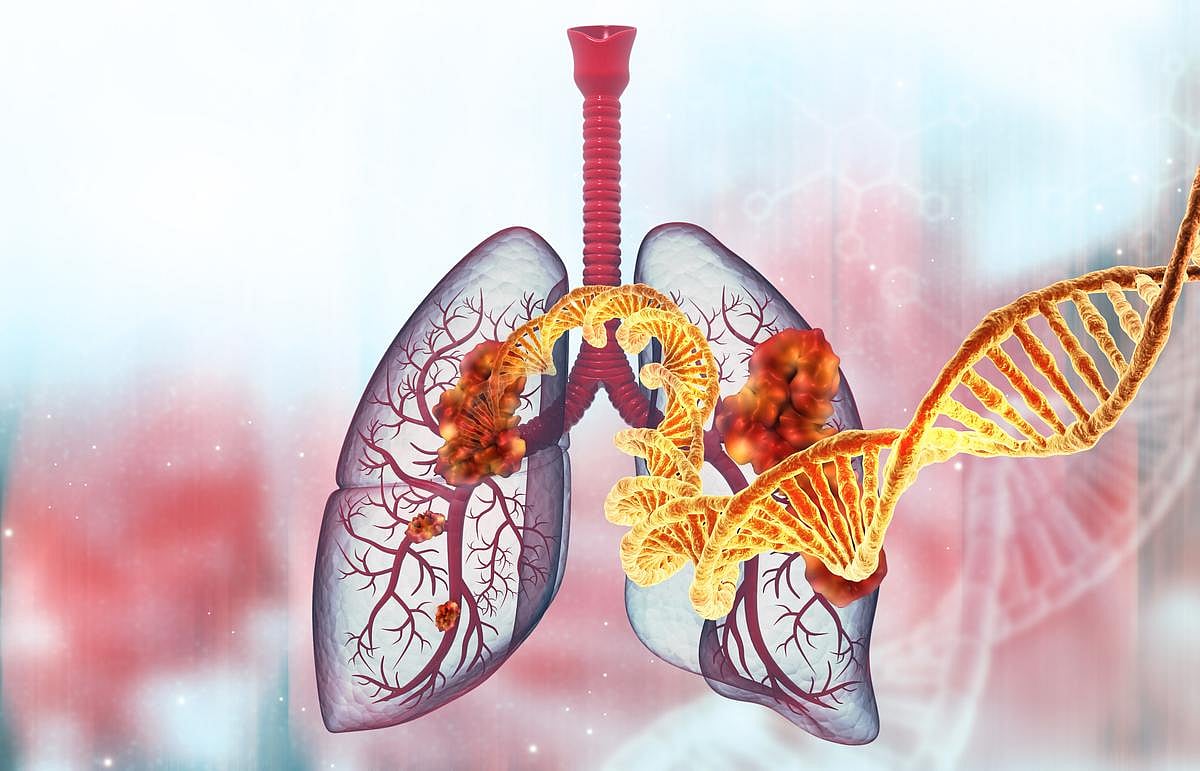 Gene Mutation Identified That Increases Lung Cancer Risk
 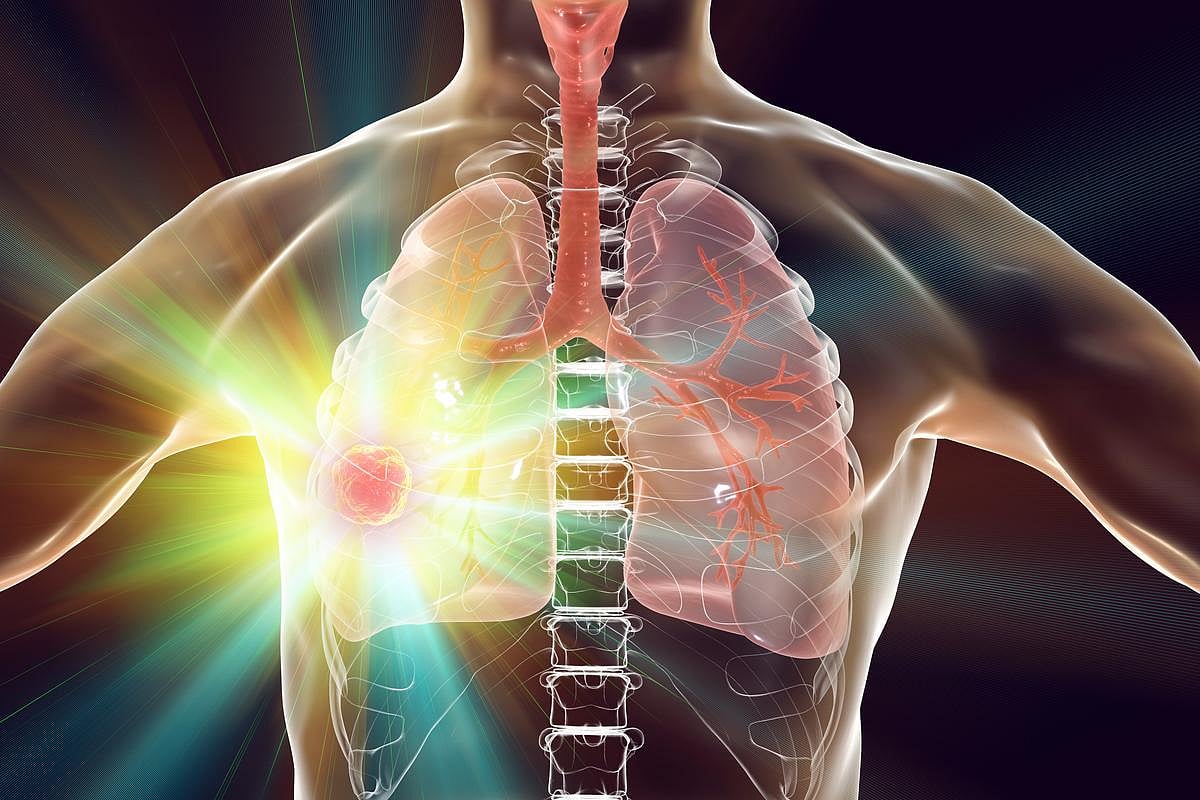 Thymic Radiation Linked to Worse Outcomes in Patients With NSCLC
  Lung Transplant Can Prolong Survival in Stage IV NSCLC
  Implant, Patient Survival Do Not Differ for Robotic and Conventional Total Joint Replacement
  Exercise Intervention Linked to Improved Attention, Memory in Breast Cancer
  Physical Therapist-Supervised Exercise Improves Outcomes After ACL Reconstruction
 .jpg) Cancer Survivors Have Lower Levels of Physical Activity
Cancer Survivors Have Lower Levels of Physical Activity 

.jpg)

