AA genotype linked to reduced severity, but not occurrence, of TD; no association seen for rs210133 with TD occurrence, severity
TUESDAY, June 25, 2024 (HealthDay News) — For patients with schizophrenia, the single-nucleotide polymorphism (SNP) rs13194504 AA genotype is associated with reduced severity of tardive dyskinesia (TD), but is not associated with occurrence, according to a study recently published in Human Psychopharmacology: Clinical & Experimental.
Ruoyu Wang, from the Centre for Addiction and Mental Health in Toronto, and colleagues tested SNPs rs13194504 and rs210133 for the association with the occurrence and severity of TD among 172 patients with schizophrenia who were recruited for four studies at three clinical sites in Canada and the United States.
The researchers found that there was an association for the rs13194504 AA genotype with reduced severity for TD, as measured by the Abnormal Involuntary Movement Scale (AIMS), but not for occurrence of TD. No significant association was seen for rs210133 with either TD occurrence or AIMS scores.
“Our results suggest that the SNP rs13194504 AA genotype may be associated with decreased severity of TD, thus pointing to a potential protective effect against TD,” the authors write.
Several authors disclosed ties to the pharmaceutical industry.
 Blinatumomab Improves Event-Free Survival in Children With High-Risk B-Cell ALL
 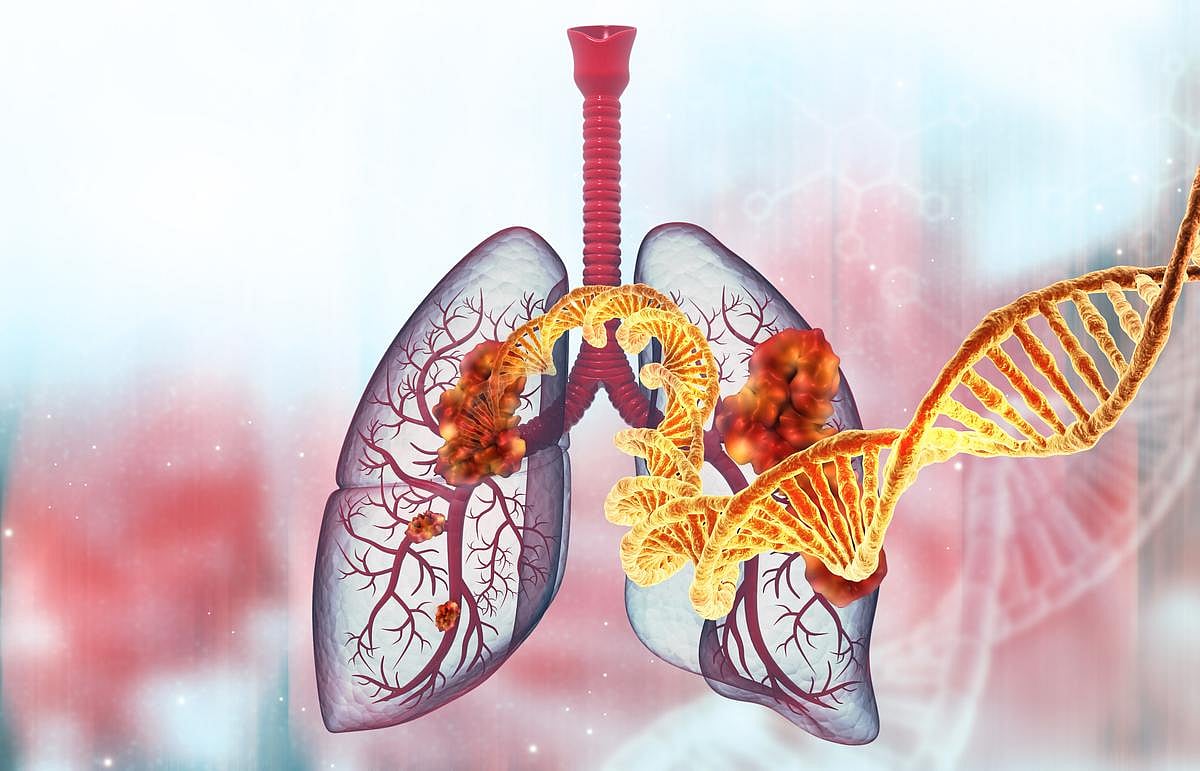 Gene Mutation Identified That Increases Lung Cancer Risk
  Nighttime Light Exposure Linked to Sleep Parameters in Schizophrenia
  Family History of CRC Increases CRC Risk Similarly in IBD, General Population
  Surveillance Colonoscopy at Five Years After Adenoma Removal Noninferior to Three Years
 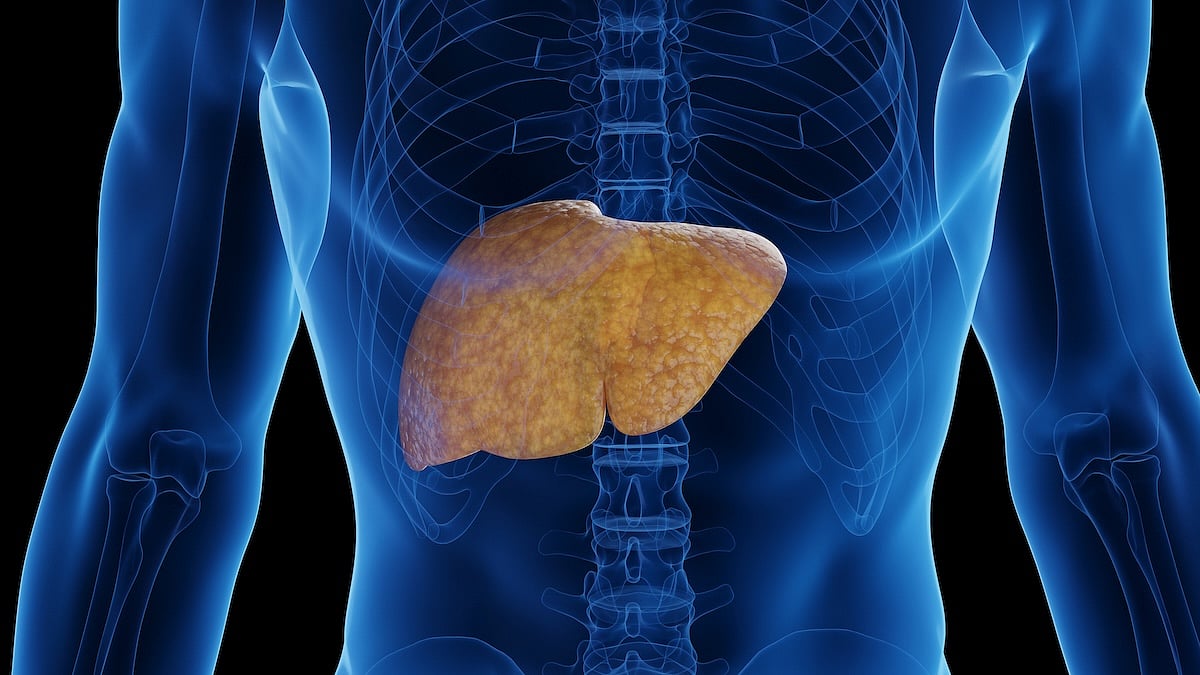 Genetics, Diabetes Tied to MASLD-Associated Cirrhosis Before Age 50
  Relapse Rare After Appendiceal Adenocarcinoma Resection
 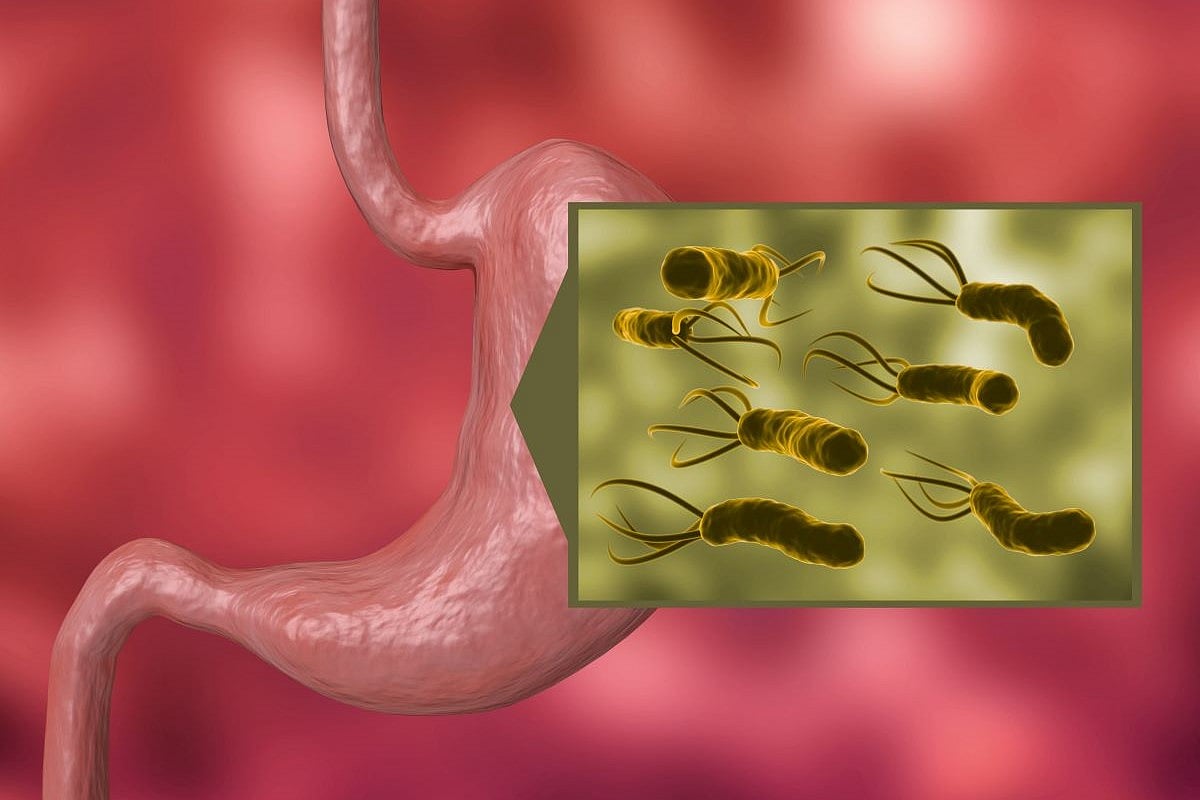 H. Pylori Exposure May Contribute to Global Burden of Colorectal Cancer