


 Findings for SMT + home exercise, advice versus rehab, advice or advice alone
MONDAY, Nov. 14, 2016 (HealthDay News) — For older adults with chronic mechanical neck pain, spinal manipulative therapy (SMT) plus home exercise and advice (HEA) results in better clinical outcomes and lower costs versus supervised rehabilitative exercise (SRE) plus HEA, according to a study published in the November issue of The Spine Journal.
Brent Leininger, D.C., from the University of Minnesota in Minneapolis, and colleagues examined the cost-effectiveness of HEA, SMT plus HEA, and SRE plus HEA in a sample of 241 older adults with chronic mechanical neck pain.
The researchers found that total costs were 5 percent lower for SMT+HEA versus HEA and 47 percent lower versus SRE+HEA. Relative to HEA and SRE+HEA, SMT+HEA correlated with a greater reduction in neck pain over the year. The differences in both disability and quality-adjusted life-years (QALYs) favored SMT+HEA. At willingness to pay thresholds of $50,000 to $200,000 per QALY gained, the probability that adding SMT to HEA would be cost-effective varied from 0.75 to 0.81. Costs for SMT+HEA were 66 percent higher than HEA if adopting a health-care perspective, resulting in an incremental cost-effectiveness ratio of $55,975 per QALY gained.
“On average, SMT+HEA resulted in better clinical outcomes and lower total societal costs relative to SRE+HEA and HEA alone, with a 0.75 to 0.81 probability of cost-effectiveness for willingness to pay thresholds of $50,000 to $200,000 per QALY,” the authors write.
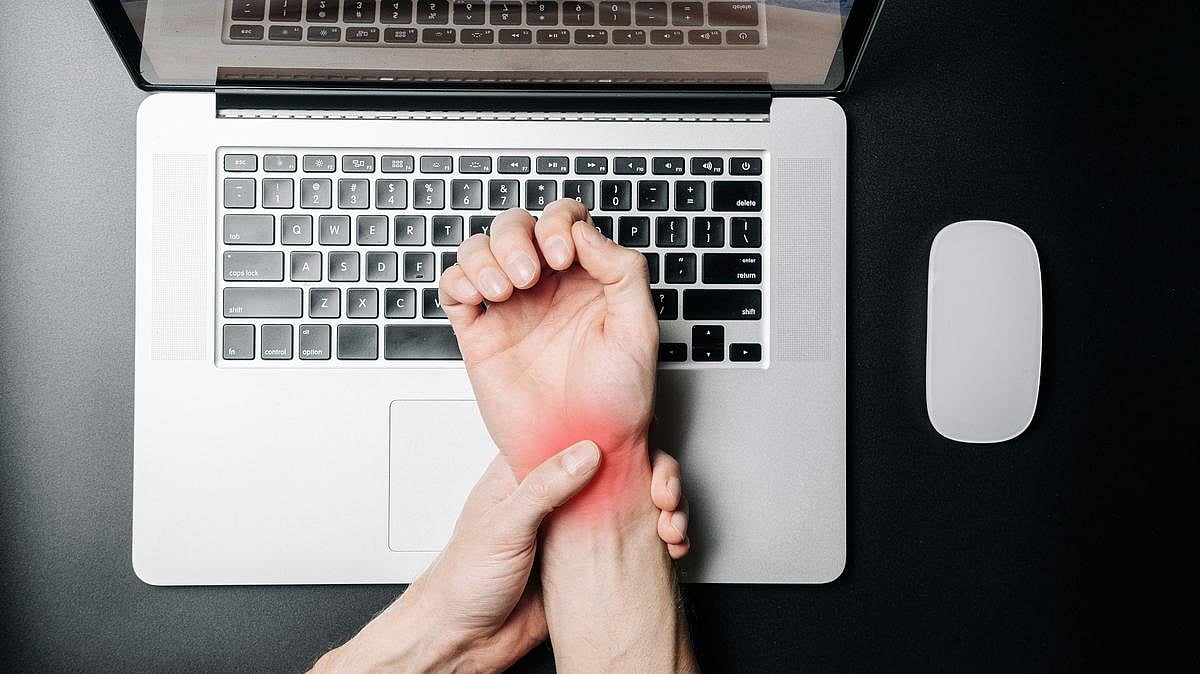 Ultrasound-Guided Hydrodissection Yields Improvements in Carpal Tunnel
  Physical Therapist-Supervised Exercise Improves Outcomes After ACL Reconstruction
  2013 to 2024 Saw Decrease in Benzodiazepine Prescribing
  2016 to 2024 Saw Increase in Patients Using Medical Cannabis
  Financial Incentives Boost Tobacco Abstinence in Underserved Adults
  Nearly 1 in 10 Older Adults Used Cannabis in the Past Year
  Childhood Cancer Survivors Often Have Mental Distress in Adulthood
  Sugar Exposure in Early Life Linked to Anxiety in Adulthood
.jpg)



