



Surgery was superior to medical therapy for reducing HbA1c and weight loss, irrespective of Area Deprivation Index
FRIDAY, Jan. 23, 2026 (HealthDay News) — For adults with type 2 diabetes (T2D), surgery is superior to medical therapy for reducing hemoglobin A1c (HbA1c) levels and achieving weight loss, regardless of social deprivation, according to a study published online Jan. 20 in the Annals of Internal Medicine.
Mary Elizabeth Patti, M.D., from Joslin Diabetes Center and Harvard Medical School in Boston, and colleagues examined the effect of social vulnerability, assessed via Area Deprivation Index (ADI), on the comparative effectiveness of metabolic bariatric surgery or medical and lifestyle intervention on glycemia and weight outcomes in 258 adults with T2D. Participants from four U.S. academic centers were enrolled in four randomized controlled trials of surgical versus medical management.
The researchers found that compared with medical therapy, surgery was more effective for reducing HbA1c levels among people with high ADI and those with low ADI (net difference, −1.29 and −0.95 percent). Across ADIs, surgery was also more effective than medical therapy for producing weight loss, with net differences of −10.6 and −13.3 percent for high and low ADI, respectively. For HbA1c and weight loss, the interaction between ADI and intervention group was not significant.
“We did not detect statistically significant differences in the comparative advantage of surgery over medical therapy by ADI,” the authors write. “Associations were stronger for the medical treatment group, suggesting that social vulnerability may modify outcomes, particularly when the ongoing need for medical therapy for diabetes and obesity is greater.”
Several authors disclosed ties to the biopharmaceutical industry.
Abstract/Full Text (subscription or payment may be required)
.jpg) Pregnancy Complications Linked to Subsequent Risk for Cardiometabolic-Renal Conditions
Pregnancy Complications Linked to Subsequent Risk for Cardiometabolic-Renal Conditions  GLP-1 Receptor Agonists, SGLT-2is Slow Renal Function Decline in T2D With Albuminuria
 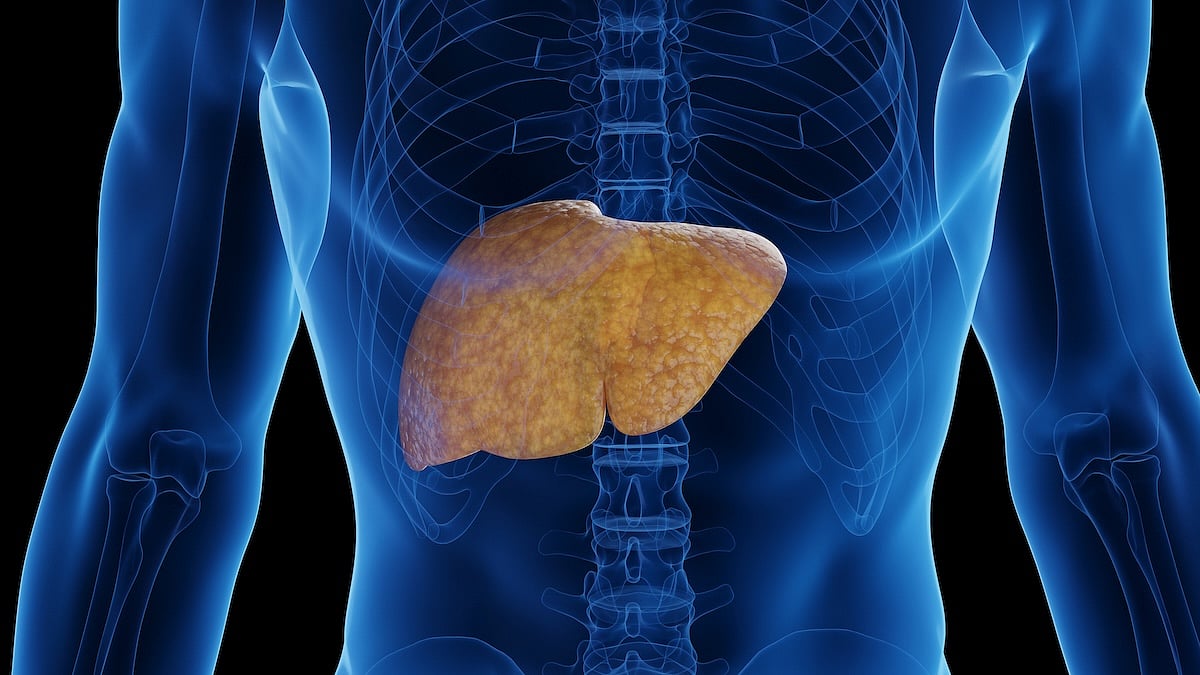 Genetics, Diabetes Tied to MASLD-Associated Cirrhosis Before Age 50
  Study IDs Risk Factors for Ketoacidosis in Adults With T2D Receiving SGLT2 Inhibitors
  Drug Interactions Reducing Contraceptive Effectiveness Common in Epilepsy
 .jpg) Most Specialty Oral Anticancer Meds for Blood Cancers Are Initially Rejected by Insurers
Most Specialty Oral Anticancer Meds for Blood Cancers Are Initially Rejected by Insurers  Holding DMARDs at Time of COVID-19 Vaccine Not Warranted in Those With Inflammatory Arthritis
  1 in 3 With Lupus Take Supplements, Medications With Potential for Interactions


