



Behaviorally informed messages were sent to health care workers who initially delayed receiving the COVID-19 vaccine
WEDNESDAY, Aug. 11, 2021 (HealthDay News) — An individual email nudge can increase COVID-19 vaccination registration among health care workers, according to a research letter published online July 28 in JAMA Network Open.
Henri C. Santos, Ph.D., from Geisinger Health System in Danville, Pennsylvania, and colleagues assessed whether individually addressed emails designed with behaviorally informed features could increase vaccination registration compared to a delayed control group. The analysis included 9,457 employees with valid email addresses who had not scheduled a COVID-19 vaccination. Employees were randomly assigned to a control condition or to receive one of two individually addressed emails either framing the decision to vaccinate around social norms or reframing risks.
The researchers found that both behaviorally informed email types led to more registrations in the first three days than the delayed condition (delayed control group: percentage of participants registering, 3.17 percent; social norms: percentage of participants registering, 6.47 percent; odds ratio [OR], 2.11 [95 percent confidence interval (CI), 1.65 to 2.69; P < 0.001]; reframing risks: percentage of participants registering, 6.90 percent; OR, 2.26 [95 percent CI, 1.77 to 2.87; P < 0.001]). Between the two email message types, there was no significant difference in registrations (OR, 1.07; 95 percent CI, 0.88 to 1.30; P = 0.50). Among health care workers not registering for a vaccine but who completed a survey (1,229), unknown vaccine risks (35 percent) and pregnancy-related concerns (13 percent) were the most commonly cited reasons.
“Sending targeted emails, patient portal messages, or text messages designed with behavioral science is inexpensive, scalable, and easily implemented and could be an effective way to encourage vaccination by health care workers and the general public,” the authors write.
 Nearly 3 in 4 Older Adults Express Interest in Vaccine to Prevent Dementia
 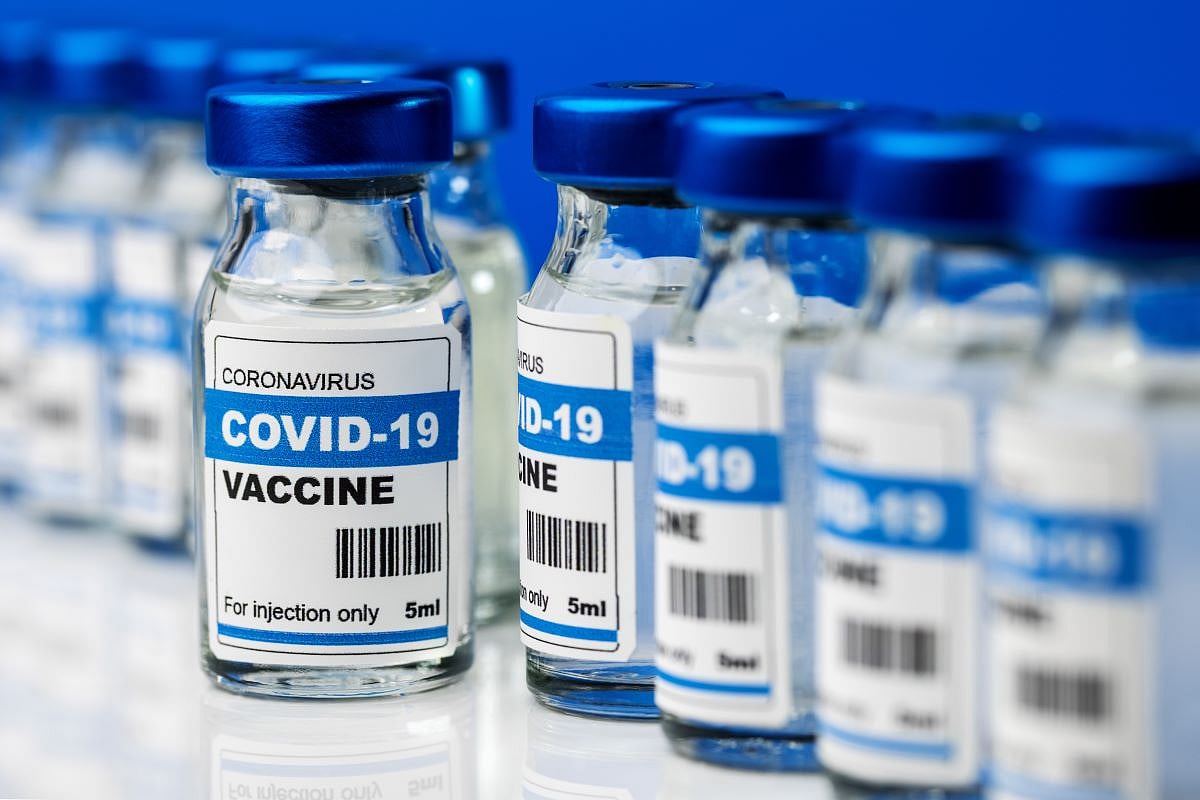 Updated COVID-19 Shot Beneficial for Those With Autoimmune Rheumatic Disease
  AAP Issues Recommendations for Pediatric RSV Vaccination in 2026-2027 Season
  Trends Reported in Vaccination Coverage for Adolescents for 2025
 .jpg) Considerable Gaps Reported in Care for Youth With Opioid Use Disorder
Considerable Gaps Reported in Care for Youth With Opioid Use Disorder 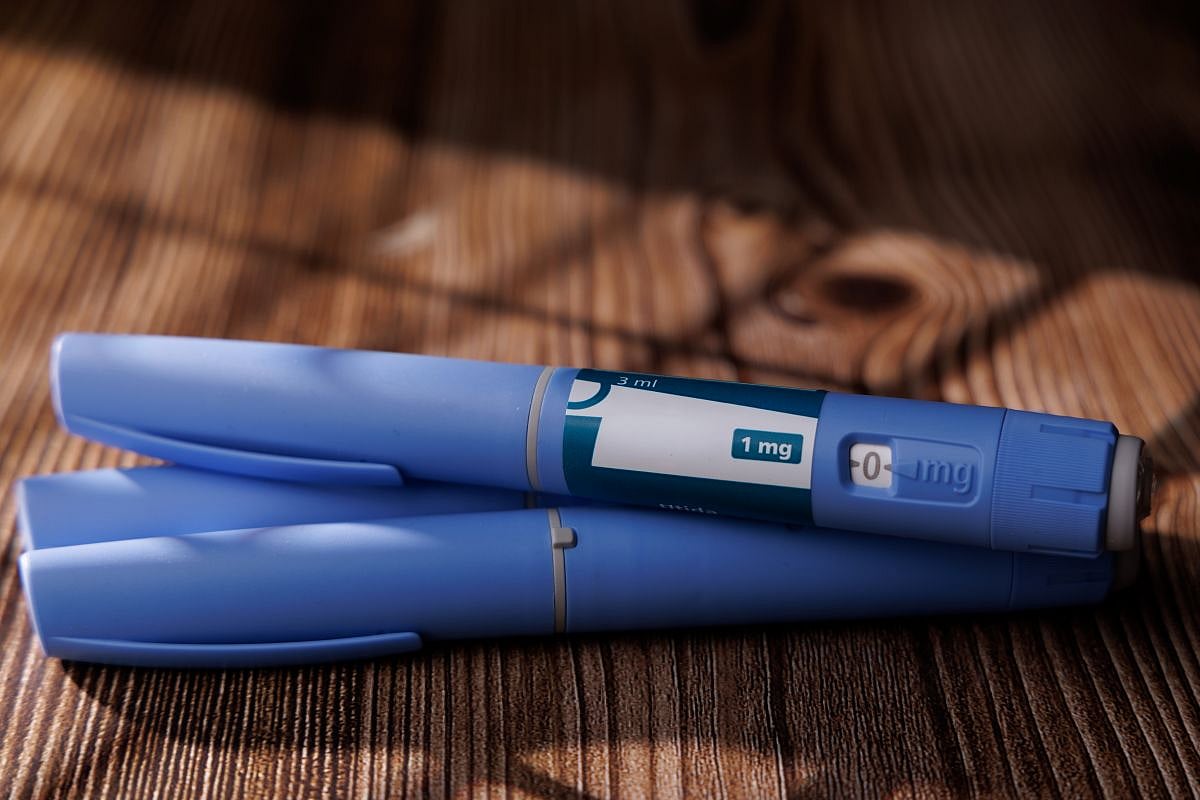 Nutritional Deficiencies Seen in Youth Taking GLP-1 Receptor Agonists
  Youth Suicide Risk Linked to Community Firearm Violence
  Social Media Warnings Could Discourage Use Among Teens, Young Adults


.jpg)

