The AstraZeneca vaccine becomes the third to show good effectiveness
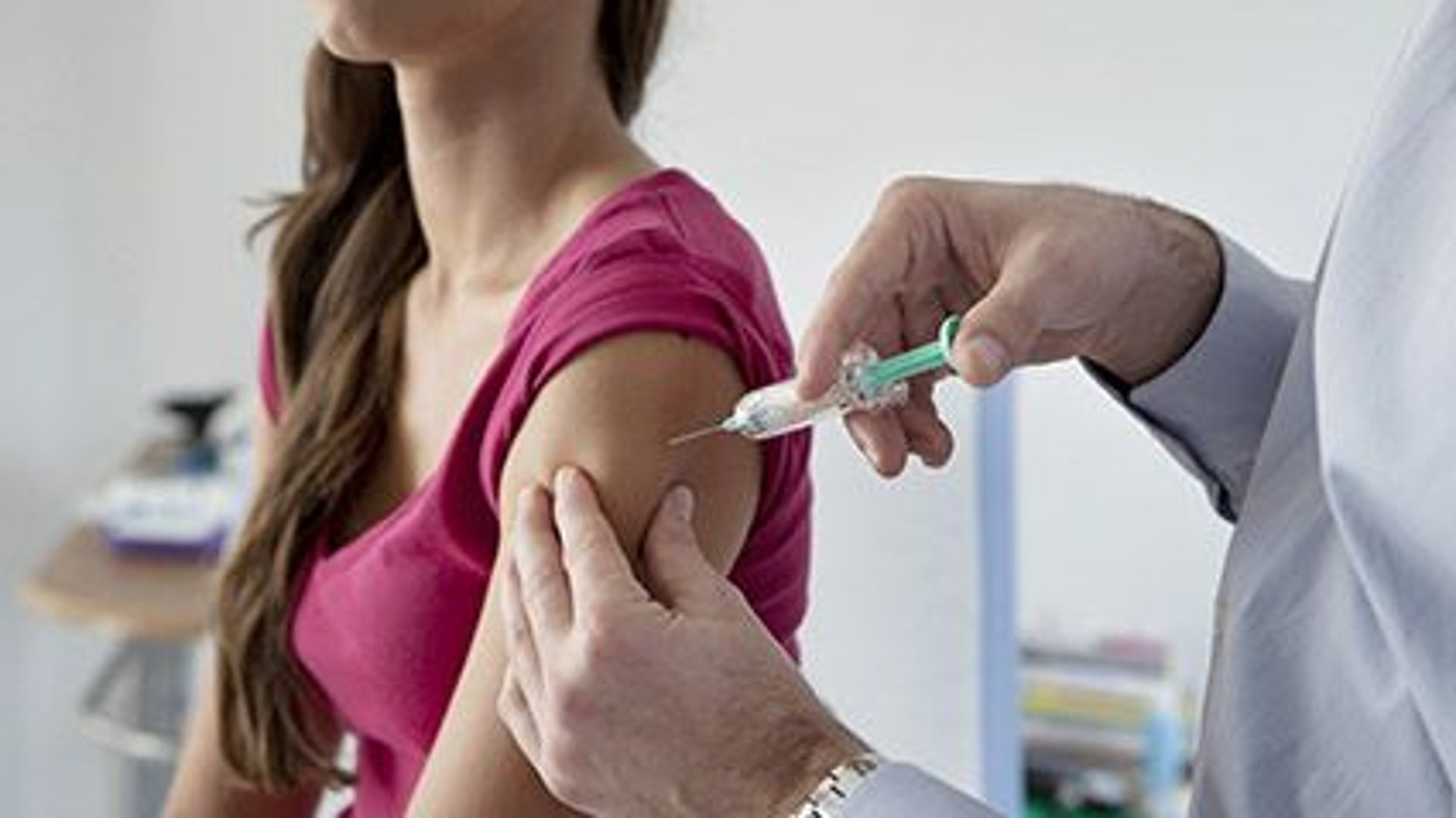
MONDAY, Nov. 23, 2020 (HealthDay News) — On Monday, AstraZeneca announced that late-stage clinical trials of its COVID-19 vaccine showed it to be 70.4 percent effective, The New York Times reported.
The trials were conducted in the United Kingdom and Brazil in collaboration with the University of Oxford. The AstraZeneca vaccine becomes the third vaccine to show good effectiveness, following on the heels of promising data on vaccines from Pfizer and Moderna. Both of the latter two vaccines had effectiveness around 95 percent.
The AstraZeneca results were based on data for two dosing regimens for the vaccine: One regimen showed an effectiveness of 62 percent, the company said, while the other showed 90 percent effectiveness.
The regimen showing 90 percent effectiveness involved a first dose given at half strength and a second dose given at standard strength. No severe cases of COVID-19 emerged among any recipients, and there was a reduction in asymptomatic infections, suggesting that the vaccine was reducing transmission of the virus, AstraZeneca said, according to The Times.
 ~16 Percent of COVID Cases Develop Postacute Sequelae of SARS-CoV-2
  Parts of the World Seeing New COVID-19 Variant
  HHS, NIH Unveil Vaccine Initiative to Protect Against Future Pandemics
  Hospital-Onset SARS-CoV-2 Infection During Omicron Linked to Morbidity
  Staffing, Scheduling, and Wage Changes Could Reattract Nurses Back to Hospitals
  Skilled Nursing Facility Capacity Declined Between 2019 and 2024
  Physical Design of Critical Care Units Influences Nursing Culture
  Low Capability Pediatric Hospitals More Than Doubled From 2003 to 2022