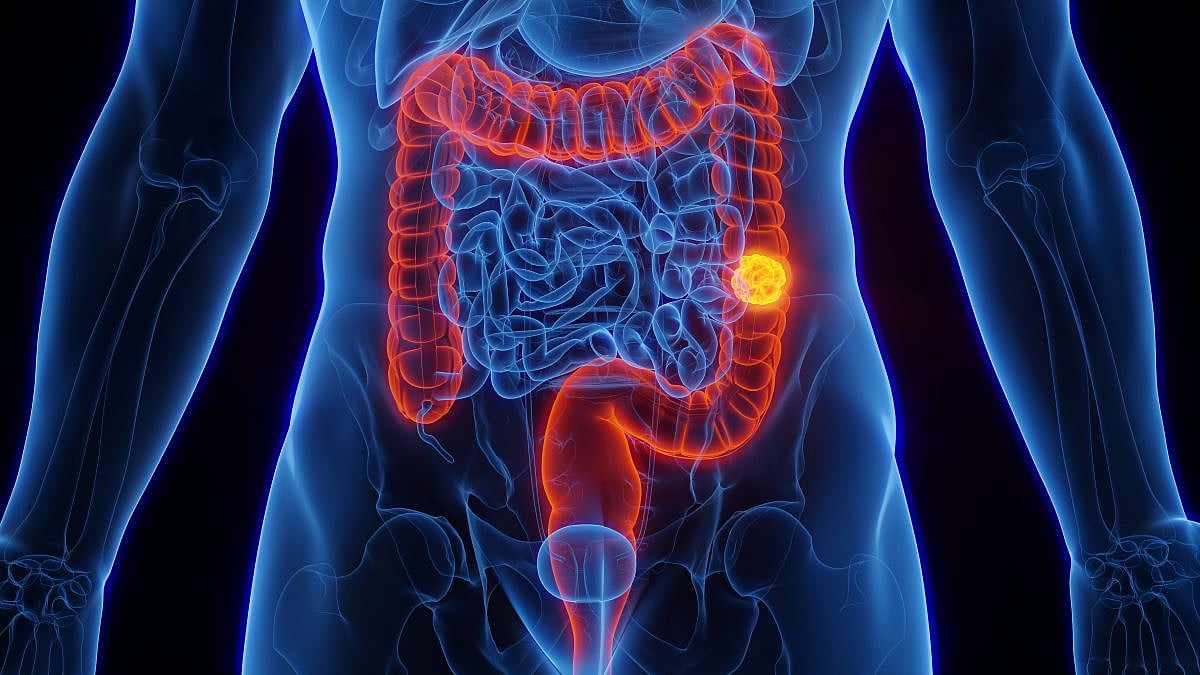
Among people with diabetes, higher intake of processed meat in the evening linked to increased risk for CVD mortality
THURSDAY, March 24, 2022 (HealthDay News) — Eating less processed meat in the evening may reduce the risk for cardiovascular death among people living with diabetes, according to a study published online March 15 in the Journal of Clinical Endocrinology & Metabolism.
Wenbo Jiang, from Harbin Medical University in China, and colleagues investigated whether food intake time across three meals is associated with long-term survival among people with diabetes. The analysis included 4,642 patients with diabetes participating in the U.S. National Health and Nutrition Examination Survey (2003 to 2014).
The researchers found that higher intake of potato (hazard ratio [HR], 0.46,) or starchy vegetable (HR, 0.32) in forenoon, whole grain (HR, 0.67) in the afternoon, and dark vegetable (HR, 0.55) and milk (HR, 0.56) in the evening was associated with lower cardiovascular disease (CVD) mortality risk. Switching 0.1 serving of potato or starchy vegetable consumed in the afternoon or evening to the forenoon, 0.1 serving of dark vegetable consumed in the afternoon to the evening, and 0.1 serving of whole grain in the forenoon to the afternoon may reduce the risk for CVD mortality.
“Nutritional guidelines and intervention strategies for diabetes should integrate the optimal consumption times for foods in the future,” a coauthor said in a statement.
Abstract/Full Text (subscription or payment may be required)
 Vascular Burden in Midlife Linked to Increased Risk for Dementia, Death
  GLP-1 Receptor Agonists Tied to Increased Risk for Alopecia
  Food-Based Support Aids Type 2 Diabetes Outcomes
  Hypoglossal Nerve Stimulation May Offer Long-Term Cardiovascular Benefits in OSA
  28 Percent of U.S. Adults With HTN Eligible for Treatment Under New Guidelines
  Press-Needle Therapy Shows Potential for Pediatric Allergic Rhinitis
  Burden of Myocardial Dysfunction Elevated for Individuals With Psoriasis
  2017 to 2022 Saw More Than Doubling in Use of GLP-1 Receptor Agonists