


Response rate higher but more adverse events seen at week 12 in patients with plaque psoriasis receiving tapinarof versus vehicle control
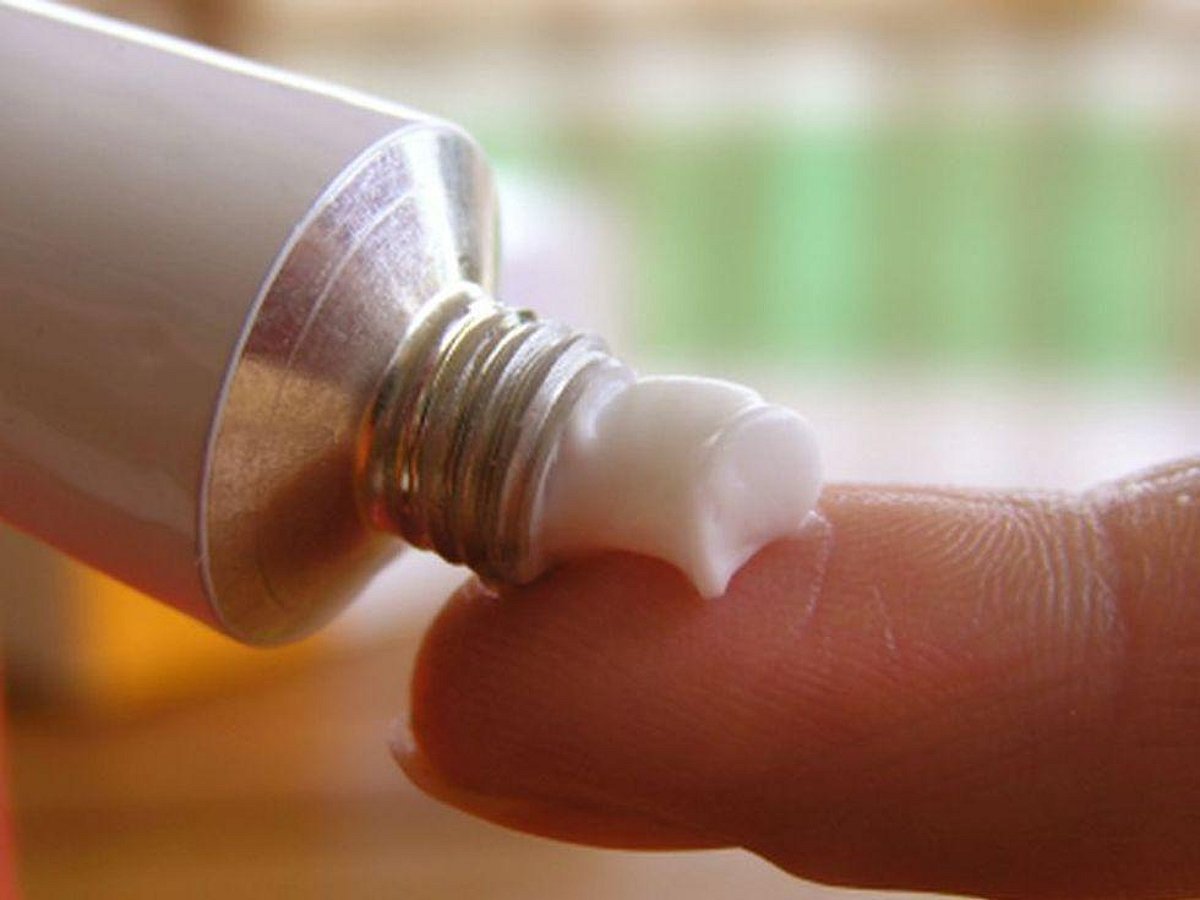
THURSDAY, Dec. 9, 2021 (HealthDay News) — For adults with plaque psoriasis, tapinarof cream is better than vehicle control for reducing disease severity, according to a study published in the Dec. 9 issue of the New England Journal of Medicine.
Mark G. Lebwohl, M.D., from the Icahn School of Medicine at Mount Sinai in New York City, and colleagues conducted two identical phase 3 randomized trials of tapinarof in adults with mild-to-severe plaque psoriasis. Adults with a baseline Physician’s Global Assessment (PGA) score of 2 (mild) to 4 (severe) and 3 to 20 percent of total body-surface area affected were randomly assigned in a 2:1 ratio to 12 weeks of tapinarof 1 percent cream or vehicle cream once daily. A total of 510 and 515 patients were enrolled in trials 1 and 2, respectively.
The researchers found that a PGA response occurred in 35.4 and 6.0 percent of patients in the tapinarof and placebo groups, respectively, in trial 1 and in 40.2 and 6.3 percent of patients, respectively, in trial 2. For secondary end points and patient-reported outcomes, the results were mainly in the same direction. Folliculitis, nasopharyngitis, contact dermatitis, headache, upper respiratory tract infection, and pruritus were adverse events associated with tapinarof cream.
“In these 12-week trials, the topical aryl hydrocarbon receptor-modulating agent tapinarof was superior to vehicle in reducing the manifestations of psoriasis but was associated with local adverse events and headache,” the authors write.
The study was funded by Dermavant Sciences, the manufacturer of tapinarof.
Abstract/Full Text (subscription or payment may be required)
.jpg) Most Specialty Oral Anticancer Meds for Blood Cancers Are Initially Rejected by Insurers
 Drug Interactions Reducing Contraceptive Effectiveness Common in Epilepsy
 Holding DMARDs at Time of COVID-19 Vaccine Not Warranted in Those With Inflammatory Arthritis
 1 in 3 With Lupus Take Supplements, Medications With Potential for Interactions
 2013 to 2024 Saw Decrease in Benzodiazepine Prescribing
 GLP-1 Receptor Agonists, SGLT-2is Slow Renal Function Decline in T2D With Albuminuria
 Polypharmacy of Prescription Medications Increased for U.S. Older Adults
 Low Hydroxychloroquine Intake, Blood Levels Linked to ASCVD Risk in Lupus





