Three weeks of treatment tied to reduction in symptoms and esophageal acid exposure time
TUESDAY, Feb. 4, 2025 (HealthDay News) — A transcutaneous electrical stimulation system (TESS) is effective in reducing both symptoms and esophageal acid exposure time in patients with gastroesophageal reflux disease (GERD), according to a study published online Jan. 23 in Neurogastroenterology & Motility.
Ram Dickman, M.D., from the Rabin Medical Center in Petah Tikva, Israel, and colleagues assessed the effect of TESS on GERD symptoms and acid exposure time. The analysis included 26 patients who had increased acid exposure time (percent total time pH <4 above 6 percent) and who were treated for up to three weeks with TESS.
The researchers found the mean numbers of daily heartburn and regurgitation episodes were 2.55 and 1.40, respectively, which dropped to 0.77 and 0.36, respectively, following TESS. At baseline, mean acid exposure time and DeMeester score were 12.4 and 32.1, respectively, which dropped to 6.0 and 16.2, respectively, following TESS.
“In summary, TESS appears to be safe and effective in reducing esophageal acid exposure and improving heartburn and regurgitation in GERD patients,” the authors write. “A larger prospective, sham-controlled study is currently designed to verify these early results.”
 Suboptimal Adherence to Brain Health Recommendations Common in Early Alzheimer Disease
  Therapeutic Hypothermia Duration Explored in Comatose OHCA Survivors
 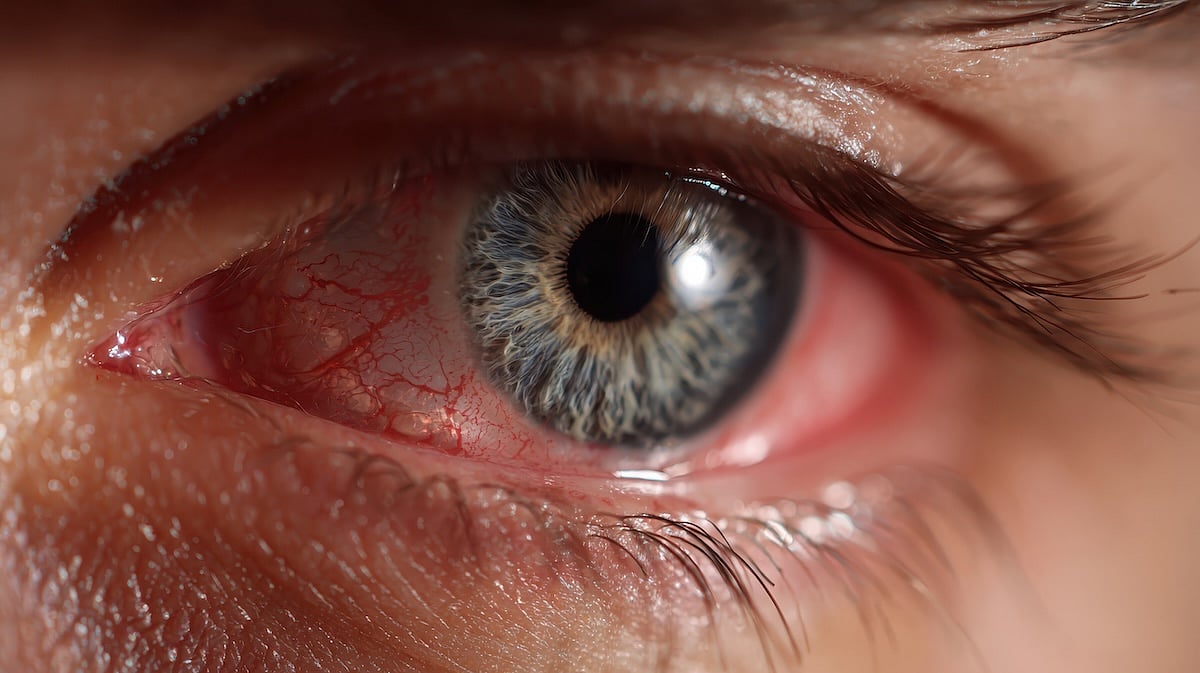 Randomized Trial of Early Vitrectomy Feasible for Postoperative Endophthalmitis
  Platelet-Rich Plasma, Shockwave Therapy Show Therapeutic Efficacy in Interstitial Cystitis
  Botox Helpful in Alleviating Chronic Migraine in Pediatric Patients
 .jpg) Tadalafil Linked to Glaucoma in Men With Lower Urinary Tract Symptoms
Tadalafil Linked to Glaucoma in Men With Lower Urinary Tract Symptoms  Review Reveals Limited Effects of Exercise on Hip Osteoarthritis
  Data Reveal No Hypersensitivity Due to Axillary Brachial Plexus Block Alone