Transdermal HRT improves BMD in lumbar spine and femoral neck
WEDNESDAY, Feb. 18, 2026 (HealthDay News) — For women with functional hypothalamic amenorrhea (FHA), transdermal hormone replacement therapy (HRT) improves bone mineral density (BMD) at the lumbar spine (LS) and femoral neck (FN), according to a review published online Jan. 8 in the Journal of Clinical Endocrinology & Metabolism.
Agathoklis Efthymiadis, M.D., from Imperial College London, and colleagues employed a network meta-analysis to compare the efficacy of available pharmacological interventions to improve BMD in women with FHA.
Thirteen randomized controlled trials were included, with 897 participant observations across all pharmacotherapy comparisons (897 for LS BMD, 370 for FN BMD, and 750 for total hip [TH] BMD). The researchers found that transdermal HRT was superior to control (placebo or no intervention), with standardized mean differences of 0.34 and 0.57 for LS BMD and FN BMD, respectively. No significant benefit for any BMD site was seen for oral HRT or the combined oral contraceptive pill (COCP). Teriparatide was superior to transdermal HRT and COCP for LS BMD (standardized mean differences of 1.48 and 1.75, respectively), but not for FN or TH BMD.
“Our study provides robust data to improve the management of this condition and inform practice guidelines. Given the present fragmented management of women with amenorrhea, we believe this will be of interest not just to general practitioners but to a wide range of specialists, from gynecologists, rheumatologists, and endocrinologists,” Efthymiadis said in a statement. “Our goal is simple: to help women receive the right treatment sooner and to protect their bone health in the long term.”
Several authors disclosed ties to the biopharmaceutical industry.
 Drug Interactions Reducing Contraceptive Effectiveness Common in Epilepsy
 .jpg) Most Specialty Oral Anticancer Meds for Blood Cancers Are Initially Rejected by Insurers
Most Specialty Oral Anticancer Meds for Blood Cancers Are Initially Rejected by Insurers 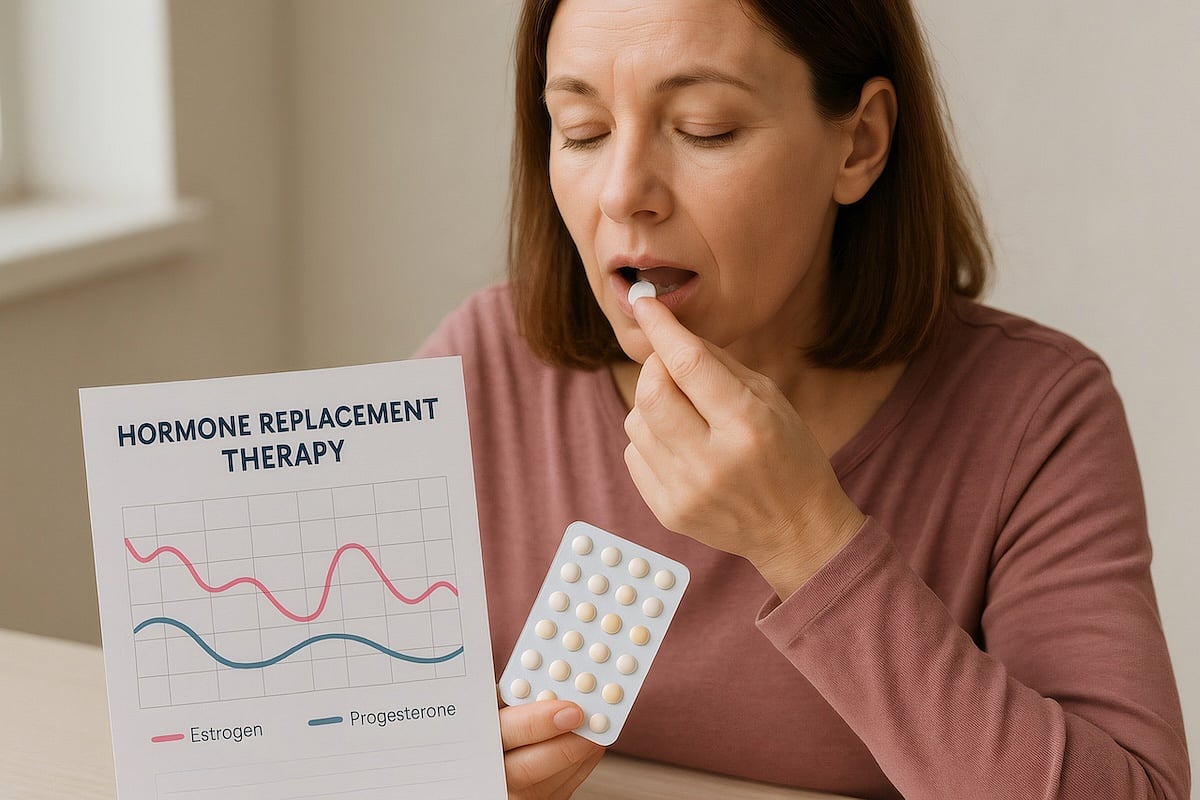 Oral Menopausal Hormone Therapy Linked to Venous Thromboembolic Risk
  1 in 3 With Lupus Take Supplements, Medications With Potential for Interactions
  Holding DMARDs at Time of COVID-19 Vaccine Not Warranted in Those With Inflammatory Arthritis
  2013 to 2024 Saw Decrease in Benzodiazepine Prescribing
  GLP-1 Receptor Agonists, SGLT-2is Slow Renal Function Decline in T2D With Albuminuria
  Polypharmacy of Prescription Medications Increased for U.S. Older Adults