However, increased risk only seen in the two years following traumatic brain injury
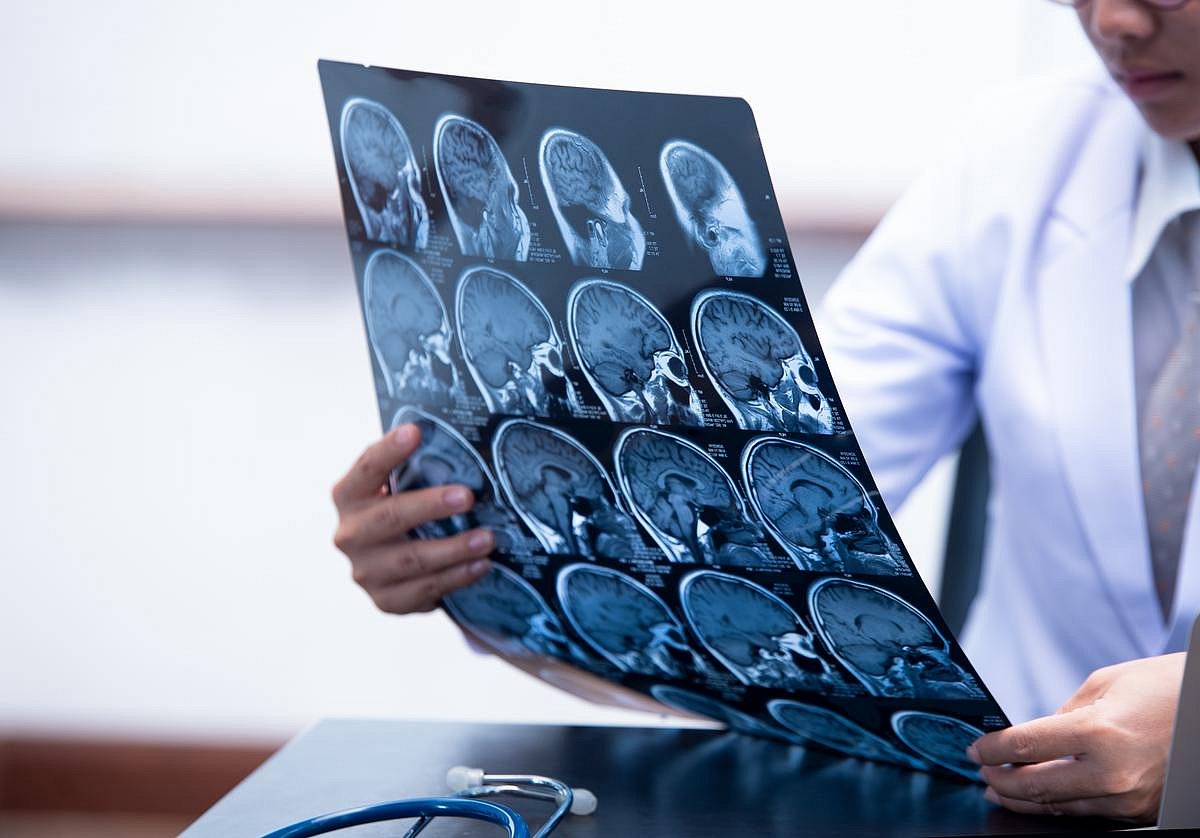
TUESDAY, Oct. 14, 2025 (HealthDay News) — The risk for amyotrophic lateral sclerosis (ALS) is higher in the two years after a traumatic brain injury (TBI), according to a study published online Oct. 2 in JAMA Network Open.
Xingxing Zhu, Ph.D., from the University of Glasgow in the United Kingdom, and colleagues examined whether there is an association between TBI and the subsequent risk for ALS. The analysis included 85,690 adults with documented TBI and 257,070 age-, sex-, and area deprivation-matched controls without TBI from the general population.
The researchers found that during a median 5.72 years of follow-up, 150 incident ALS cases were recorded, yielding 7.05 cases per 100,000 person-years. In adults with a history of TBI, the risk for ALS was higher compared with individuals without a TBI history (hazard ratio, 2.61). This association was time-dependent, with risk limited only to the two years following TBI (hazard ratio, 6.18).
“These findings suggest that increased ALS risk following TBI may reflect reverse causality, with TBI in some individuals perhaps reflecting an early consequence of subclinical ALS,” the authors write.
 Causes, Outcomes of Traumatic Brain Injury Identified Worldwide
  Preoperative Chemo + Immunotherapy Combo Shrinks Head, Neck Cancer Tumors
  Bidirectional Association Found Between TBI, Neurological Diagnoses
  Few Patients With Stroke, TBI Receive Inpatient Rehabilitation Care
  Past Blast Exposure Tied to Long-Term Chronic Medical Diagnoses in Veterans
  Risk for Ischemic Stroke Increased After Cancer Diagnosis
  Dementia, Stroke Risk Elevated for Those With Severe Mental Illness
  NOACs Linked to Slower Cognitive Decline in Patients With A-Fib, Alzheimer Disease