


Significantly longer progression-free survival seen with infusion of tumor-infiltrating lymphocytes versus ipilimumab
THURSDAY, Dec. 8, 2022 (HealthDay News) — For patients with advanced melanoma, infusion of tumor-infiltrating lymphocytes (TIL) is associated with significantly longer progression-free survival than ipilimumab treatment, according to a study published in the Dec. 8 issue of the New England Journal of Medicine.
Maartje W. Rohaan, M.D., from Amsterdam University Medical Center, and colleagues conducted a phase 3, multicenter, open-label trial involving 168 patients with unresectable stage IIIC or IV melanoma who were randomly assigned to receive either TIL or anti-cytotoxic T-lymphocyte antigen 4 therapy (ipilimumab; 84 patients in each group). Nonmyeloablative, lymphodepleting chemotherapy was given prior to infusion of TILs, which was followed by high-dose interleukin-2.
The researchers found that in the intention-to-treat population, the median progression-free survival was 7.2 and 3.1 months in the TIL and ipilimumab groups, respectively (hazard ratio for progression or death, 0.50). An objective response occurred in 49 and 21 percent of the patients, respectively. Median overall survival was 25.8 and 18.9 months in the TIL and ipilimumab groups, respectively. All patients who received TILs and 57 percent of those who received ipilimumab had treatment-related adverse events of grade 3 or higher; these events were mainly chemotherapy-related myelosuppression in the TIL group.
“TILs can be successfully generated from resected melanoma metastases in patients with advanced melanoma,” the authors write. “Treatment with TILs was associated with significantly longer progression-free survival than treatment with ipilimumab.”
Several authors disclosed financial ties to the pharmaceutical industry.
Abstract/Full Text (subscription or payment may be required)
 Ultrasound-Guided Hydrodissection Yields Improvements in Carpal Tunnel
 Nearly 1 in 5 Patients Report Exposure to Ophthalmic Treatments Perceived as Bogus
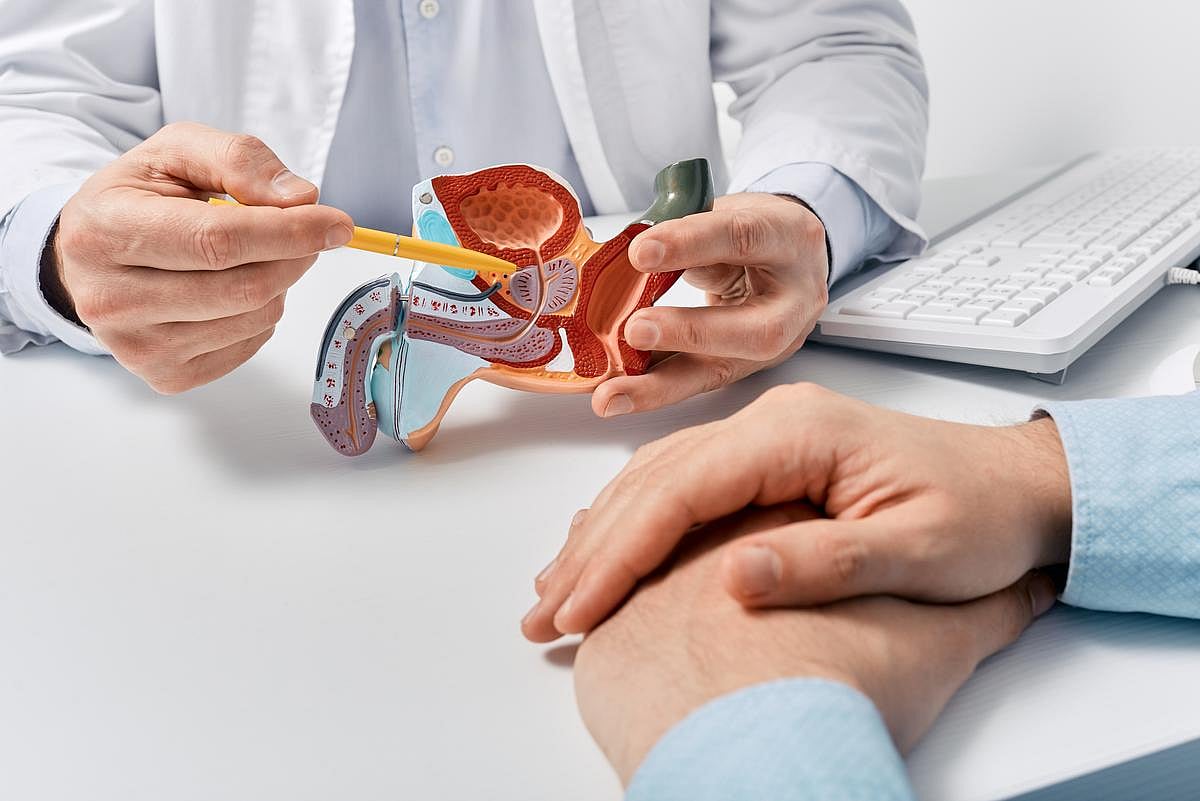 Focal Therapy Use Remains Uncommon in Nonmetastatic Prostate Cancer
 Patient Education Increases Skin Cancer Screening in Stem Cell Transplant Survivors
 Urine Cell-Free RNA Shows Promise as Biomarker for Bladder Cancer
 Biomarkers Plus Kidney Donor Profile Index Improve Prediction of Concordant Allograft Outcomes
 Genomic Newborn Screening Could ID Cancer Predisposition Syndrome
 Female Emergency Medicine Physicians Order More Tests, Admit More Patients



.jpg)

