


Shortage expected to last until at least June 30, according to the American Hospital Association
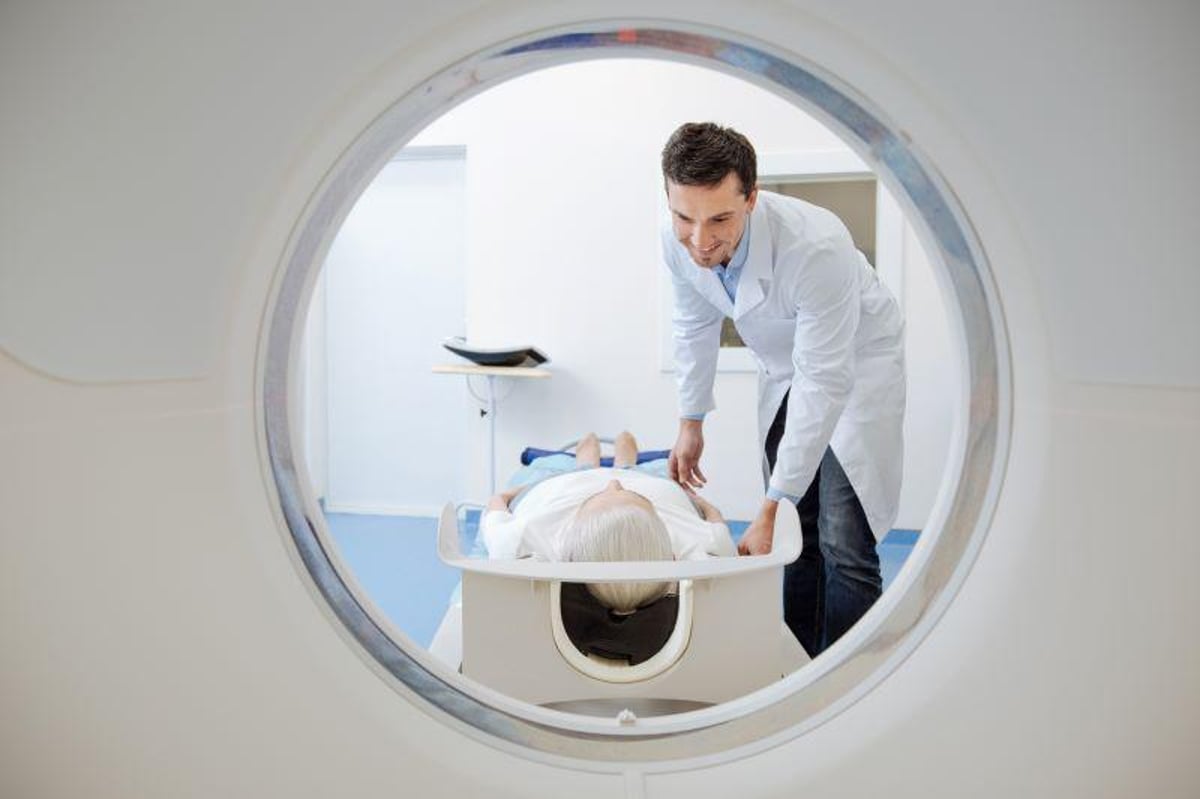
THURSDAY, May 19, 2022 (HealthDay News) — U.S. hospitals are running low on contrast media needed for enhanced X-rays and computed tomography and magnetic resonance imaging scans.
The shortage, a result of COVID-19 pandemic-related factory closures in Shanghai, where most of the world’s supply is made, is expected to last until at least June 30, the American Hospital Association (AHA) says.
GE Healthcare is the main U.S. supplier of contrast fluid, called Omnipaque. The AHA has asked the company for more information on the shortage, saying hospitals rely on a consistent supply to diagnose and treat a wide range of patients, including those with life-threatening conditions.
“It is too easy for us to take for granted the readily available supply of something that is so important to our patients and our radiologic practices until it’s gone,” Thomas Grist, M.D., of the University of Wisconsin School of Medicine and Public Health in Madison, said in a news release from the Radiological Society of North America. Grist is the author of a new report on the issue published online May 19 in Radiology. “We need to commit to changing the supply chain so that a single event in a faraway country does not put us in this predicament again. We owe it to our patients who trust us with their lives and well-being every day of the year.”
The dye is being “aggressively” rationed at the University of Alabama at Birmingham Health System, and some elective imaging procedures are being delayed. “We need to make sure we have intravenous contrast available for the patients in critical need,” health system CEO Selwyn Vickers, M.D., said in a statement, adding that the health system’s supply of dye will be reserved for “life-or-death matters.”
 PET/MRI Offers Diagnostic, Prognostic Value in Pediatric Epilepsy
  Less Intraoperative Crystalloid Fluid Not Tied to Worse Surgical Outcomes
  Odds of Imaging Order Higher When Clinicians Self-Interpret
  Protocol IDs Patients Who Can Be Treated While Seated in the ED
  Withdrawal From Medetomidine Increasingly Seen in ICUs
  Multicomponent Interventions Offer Little Impact on Fall Risk
  ED Visits for Gambling Disorder Spike After Canada Liberalizes Online Gambling
  Nearly 2 in 3 Poison Exposures in Young Children May Not Need the ED


.jpg)

