


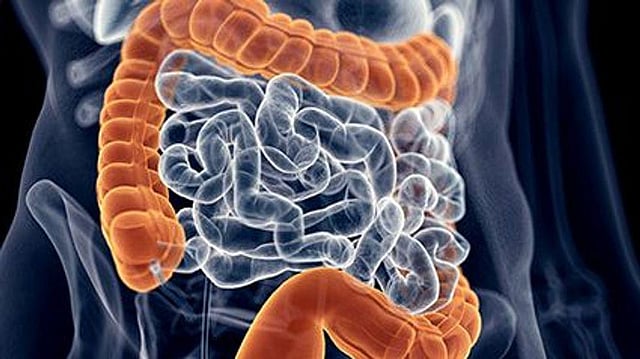
Higher risk for developing IBD associated with higher intake of ultra-processed foods, such as soft drinks, salty snacks, processed meat
THURSDAY, July 15, 2021 (HealthDay News) — A higher intake of ultra-processed food is associated with an increased risk for inflammatory bowel disease (IBD), according to a study published online July 14 in The BMJ.
Neeraj Narula, M.D., M.P.H., from McMaster University in Hamilton, Ontario, Canada, and colleagues conducted a prospective cohort study among 116,087 adults aged 35 to 70 years in 21 low-, middle-, and high-income countries across seven geographic regions to examine the association between intake of ultra-processed food and the risk for IBD.
The researchers found that 467 participants developed incident IBD during a median follow-up of 9.7 years (90 with Crohn disease; 377 with ulcerative colitis). A higher intake of ultra-processed food was associated with an increased risk for incident IBD (hazard ratios, 1.82 and 1.67 for at least five and one to four servings a day, respectively, compared with less than one serving per day) after adjustment for potential confounding factors. Higher hazard ratios for IBD were seen in association with different subgroups of ultra-processed foods, including soft drinks, refined sweetened foods, salty snacks, and processed meat. Consistent results were seen for both Crohn disease and ulcerative colitis.
“As white meat, unprocessed red meat, dairy, starch, and fruit, vegetables, and legumes were not found to be associated with development of IBD, this study suggests that it might not be the food itself that confers this risk but rather the way the food is processed or ultra-processed,” the authors write.
The Prospective Urban Rural Epidemiology study was partially funded through unrestricted grants from several pharmaceutical companies.
 Recommendations Issued for Use of Incretin-Based Meds in Pregnancy
 Serum 25(OH)D May Serve as Biomarker of Disease Activity in IBD
 Eating More Ultraprocessed Foods Heightens Risk for Chronic Diseases
 IBD Not Linked to Risk for Hypertensive Disorders of Pregnancy Overall
 Low Levels of Placental Growth Factor in Pregnancy Linked to Subsequent ADHD in Offspring
.jpg) Pregnancy Complications Linked to Subsequent Risk for Cardiometabolic-Renal Conditions
 Isometric Exercise Training Three Times a Week Preserves Cardiovascular Benefits
 Maternal Vitamin D Status Linked to Preterm Delivery


.jpg)

