


Survey of nursing directors shows impact on residents, staff, including turnover
MONDAY, July 25, 2022 (HealthDay News) — The impact and management of urinary incontinence (UI) related to overactive bladder is a substantial burden to long-term care (LTC) residents and staff, according to a study published online July 1 in the Journal of Gerontological Nursing.
Richard G. Stefanacci, D.O., from Thomas Jefferson University in Philadelphia, and colleagues assessed the impact of UI on residents, staff, care processes, and quality measures in LTC settings. The analysis included responses from directors of nursing who had worked for at least one year in a ≥100-bed facility.
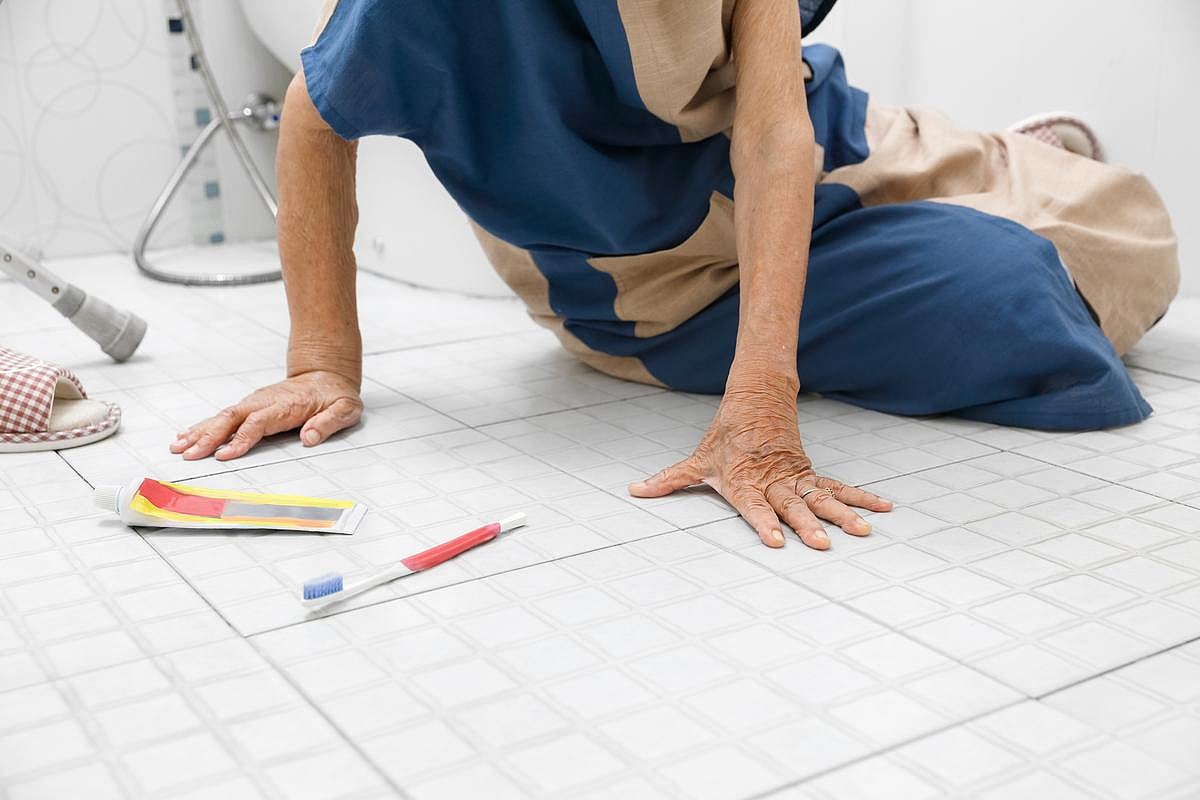
The researchers found that of the 62 percent of residents with UI, 40 percent were always incontinent and 81 percent used incontinence products for UI. Nearly six in 10 respondents (59 percent) reported that UI management contributes to certified nursing assistant turnover. More than one-third of resident falls (36 percent) occur while the resident is trying to get to the bathroom, and LTC quality measures significantly impacted by UI included urinary tract infection and falls with major injury. Few residents with UI (14 percent) were treated with medication.
“The impact and management of UI related to overactive bladder is a substantial burden to LTC facilities, as well as to their residents and staff,” the authors write. “These results highlight the need for improved UI treatment, awareness, and management in this population.”
 Multicomponent Interventions Offer Little Impact on Fall Risk
  Emergency Presentation of Cancer Common in Older Adults
  Male Sex, Older Age Predict Poor Outcomes in Seniors With HFmrEF/HFpEF
  Trazodone Linked to Lower Risks for Delirium-Related Symptoms in Seniors
  Lower Cognitive Functioning During 60s Linked to Subsequent Stroke Risk
  Polypharmacy of Prescription Medications Increased for U.S. Older Adults
  Nearly 1 in 10 Older Adults Used Cannabis in the Past Year
  Pharmacist-Led Med Review Improves Medication Quality in Older Patients With Cancer


.jpg)

