


 Political considerations also influence preference for choosing a hypothetical COVID-19 vaccine
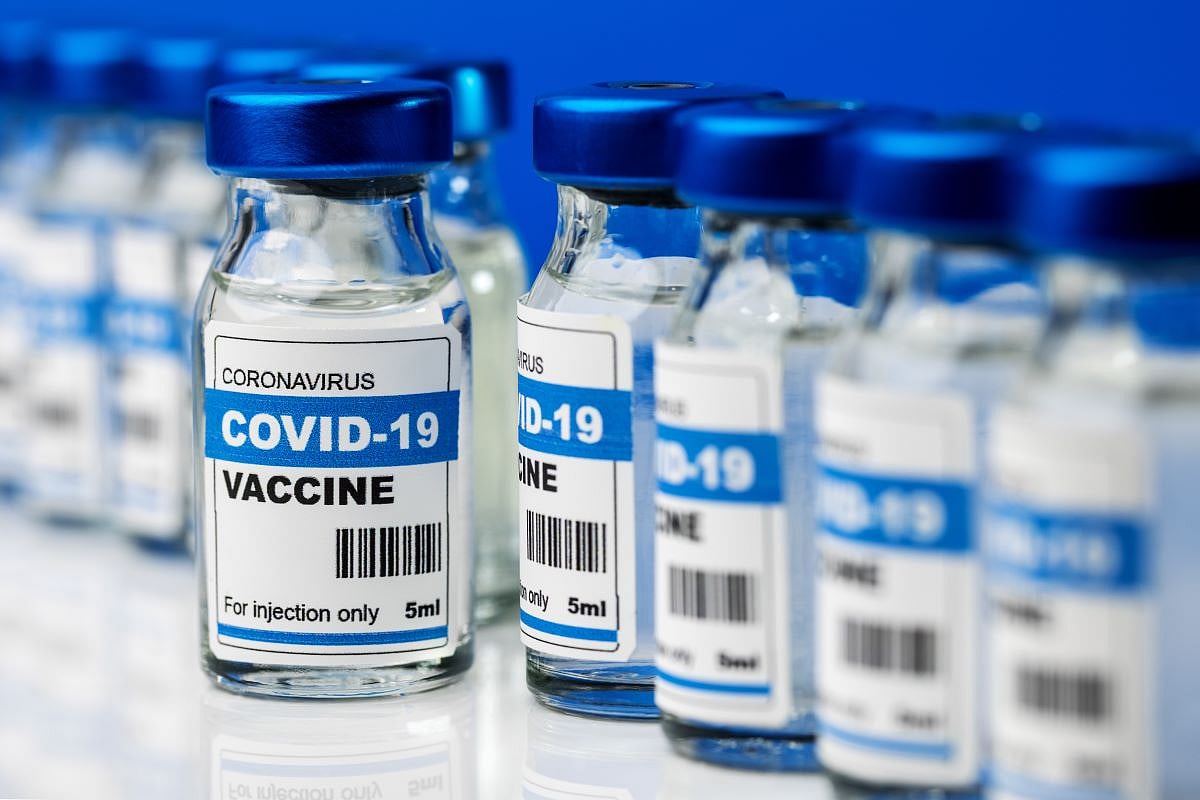
WEDNESDAY, Oct. 21, 2020 (HealthDay News) — Vaccine-related attributes and political characteristics are associated with preference for choosing a hypothetical COVID-19 vaccine, according to a study published online Oct. 20 in JAMA Network Open.
Sarah Kreps, Ph.D., from Cornell University in Ithaca, New York, and colleagues conducted a survey study to estimate willingness to receive vaccination. A total of 1,971 respondents were presented with five choice tasks; in each, participants examined two hypothetical COVID-19 vaccines and were asked whether they would choose vaccine A, B, or neither.
The researchers found that an increase in efficacy was associated with increased probability of choosing a vaccine (50 to 70 percent: coefficient, 0.07; 50 to 90 percent: coefficient, 0.16). The probability of choosing a vaccine was increased with an increase in protection duration from one to five years (coefficient, 0.05). The probability of choosing a vaccine increased with a decrease in the incidence of major adverse effects from one in 10,000 to one in 1,000,000 (coefficient, 0.07). The probability of choosing a vaccine was lower with U.S. Food and Drug Administration emergency use authorization (coefficient, −0.03) versus full FDA approval. The probability of choosing a vaccine was lower for a vaccine that originated from a non-U.S. country (China: coefficient, −0.13; United Kingdom: coefficient, −0.04). The probability of choosing a vaccine was increased with endorsements from the U.S. Centers for Disease Control and Prevention and the World Health Organization (coefficients, 0.09 and 0.06, respectively) compared with an endorsement from President Trump.
“These results may help inform public health campaigns to address vaccine hesitancy when a COVID-19 vaccine becomes available,” the authors write.
 Nearly 3 in 4 Older Adults Express Interest in Vaccine to Prevent Dementia
  Updated COVID-19 Shot Beneficial for Those With Autoimmune Rheumatic Disease
  Trends Reported in Vaccination Coverage for Adolescents for 2025
  AAP Issues Recommendations for Pediatric RSV Vaccination in 2026-2027 Season
  4CMenB Vaccine Confers Modest Protection Against Gonorrhea in Teens
  AAP Releases Influenza Vaccine Recommendations for All Children 6 Months and Older
  Adverse Event Risk Not Up With Same Day COVID-19, Flu Vaccination


.jpg)

