


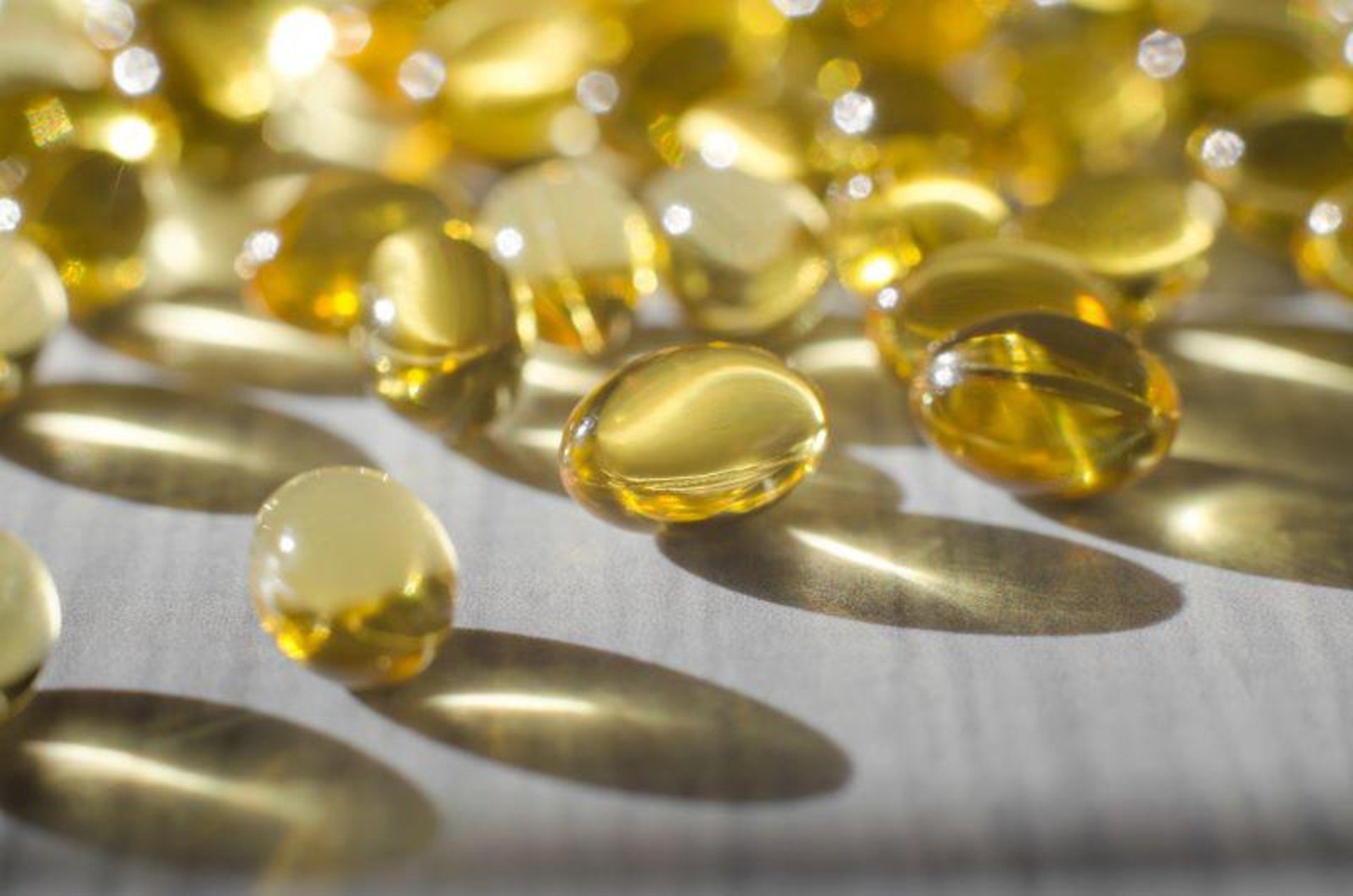
Results consistent regardless of pretreatment 25-hydroxyvitamin D levels
TUESDAY, Dec. 13, 2022 (HealthDay News) — Vitamin D supplementation does not prevent statin-associated muscle symptoms (SAMS) or reduce statin discontinuation, according to a study published online Nov. 23 in JAMA Cardiology.
Mark A. Hlatky, M.D., from the Stanford University School of Medicine in California, and colleagues randomly assigned men aged 50 years and older and women aged 55 years and older to daily cholecalciferol (2,000 international units; 1,033 patients) or placebo (1,050 patients).
The researchers found that during 4.8 years of follow-up, SAMS were reported by 31 percent of participants assigned to both groups (adjusted odds ratio, 0.97; 95 percent confidence interval, 0.80 to 1.18; P = 0.78). Statin discontinuation was also similar between the groups (adjusted odds ratio, 1.04; 95 percent confidence interval, 0.80 to 1.35; P = 0.78). Results remained consistent across pretreatment 25-hydroxyvitamin D levels. For participants with vitamin D levels <20 ng/mL and <30 ng/mL, SAMS were reported by 33 and 27 percent of vitamin D-assigned participants, respectively, and 35 and 30 percent of placebo-assigned participants, respectively.
“This suggests that vitamin D lacks a clinically important effect in preventing SAMS,” the authors write.
One author disclosed financial ties to Pharmavite, which provided the vitamin D and placebo for the study.
 Statin Use Linked to Lower Risk for Glaucoma Incidence
  1 in 3 With Lupus Take Supplements, Medications With Potential for Interactions
  Serum 25(OH)D May Serve as Biomarker of Disease Activity in IBD
  Maternal Vitamin D Status Linked to Preterm Delivery
  Low Levels of Placental Growth Factor in Pregnancy Linked to Subsequent ADHD in Offspring
  Recommendations Issued for Use of Incretin-Based Meds in Pregnancy
  Nutritional Deficiencies Seen in Youth Taking GLP-1 Receptor Agonists
  IBD Not Linked to Risk for Hypertensive Disorders of Pregnancy Overall



.jpg)