A 1.81-cm increase per year observed in absolute annualized growth velocity
FRIDAY, April 26, 2024 (HealthDay News) — Vosoritide is safe and effective in increasing growth velocity in children with hypochondroplasia, according to a study published online April 11 in eClinicalMedicine.
Andrew Dauber, M.D., from the Children”s National Hospital in Washington, D.C., and colleagues evaluated the safety and efficacy of vosoritide (administered daily via subcutaneous injection at a dose of 15 μg/kg/day) in 24 children with hypochondroplasia in a phase 2 trial.
The researchers found that vosoritide was well tolerated, with no treatment-related serious adverse events reported; no participants discontinued therapy due to an adverse event. Injection site reactions did occur in most participants (83.3 percent). During the 12 months following treatment, annualized growth velocity increased by 2.26 standard deviations (SD), and height standardized deviation score (SDS) increased by 0.36 SD during the treatment period compared with the observation period; hypochondroplasia-specific height SDS increased by 0.38 SD. There was a 1.81-cm/year increase seen in absolute annualized growth velocity.
“This is the first medicine that has been developed to specifically target the pathway involved in hypochondroplasia. These findings will help inform future studies of vosoritide for addressing growth disorders,” Dauber said in a statement. “Patients have come from all over the world to be part of our trial. We”re excited to see how well tolerated the medication was and how some patients had excellent responses.”
Several authors disclosed ties to BioMarin, the manufacturer of vosoritide.
 Blinatumomab Improves Event-Free Survival in Children With High-Risk B-Cell ALL
  Gene Mutation Identified That Increases Lung Cancer Risk
 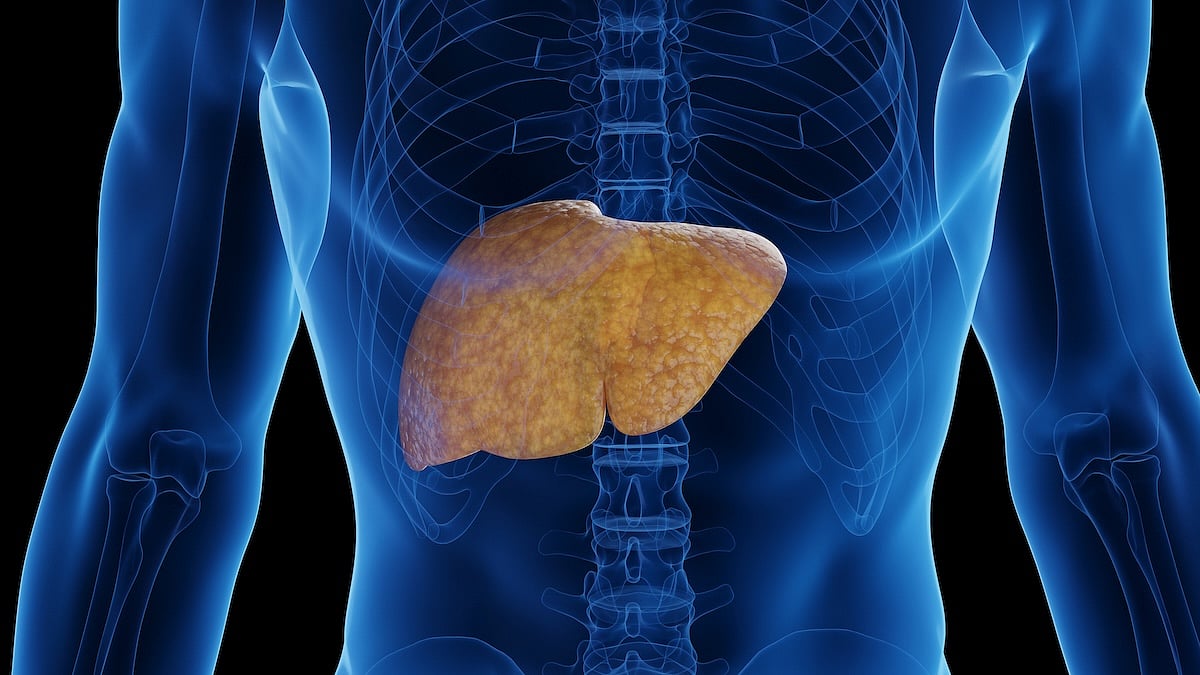 Genetics, Diabetes Tied to MASLD-Associated Cirrhosis Before Age 50
  Family History of CRC Increases CRC Risk Similarly in IBD, General Population
  Surveillance Colonoscopy at Five Years After Adenoma Removal Noninferior to Three Years
  Relapse Rare After Appendiceal Adenocarcinoma Resection
 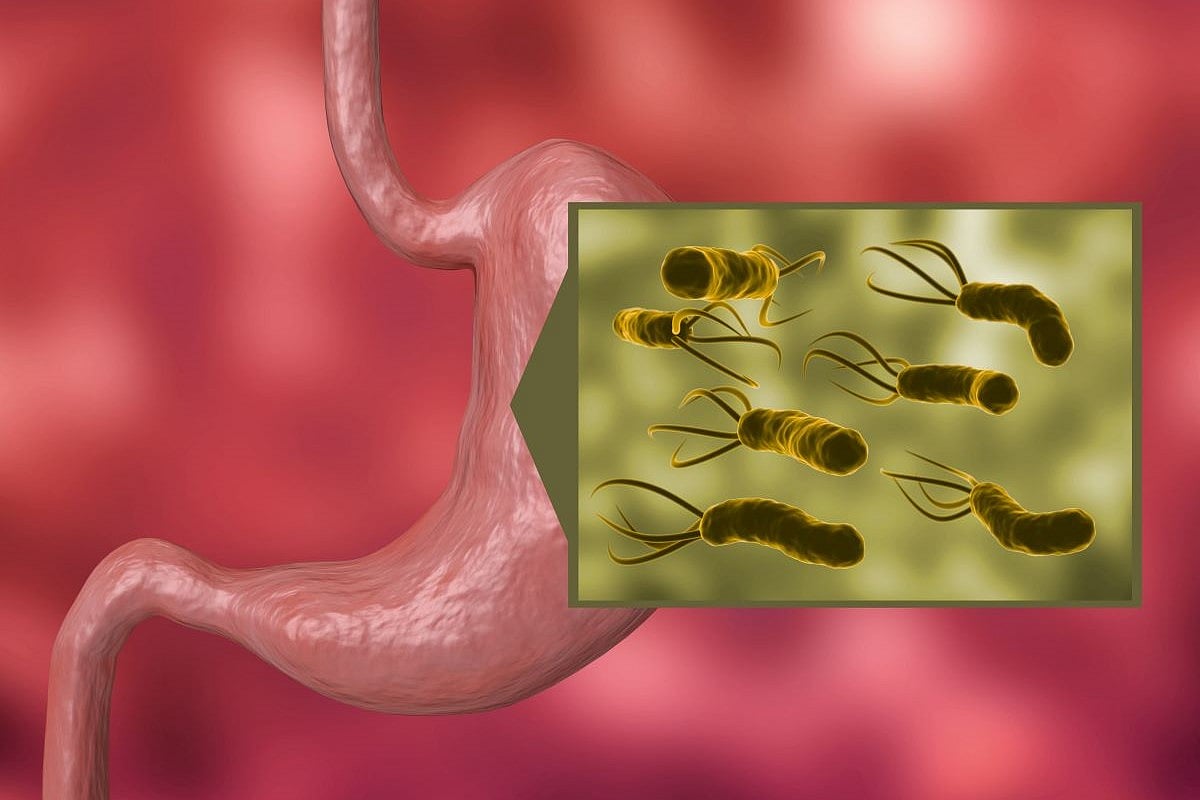 H. Pylori Exposure May Contribute to Global Burden of Colorectal Cancer
  Healthy Lifestyle in Early Childhood Linked to Lower Risk for IBD



.jpg)