


 Some patients with complete response to neoadjuvant chemoradiation may wish to defer surgery
TUESDAY, Nov. 3, 2020 (HealthDay News) — A “watch-and-wait” (WW) strategy may be an option for carefully selected patients who achieve a complete response (CR) to neoadjuvant chemoradiation (nCRT) for rectal adenocarcinoma, according to a study published online Oct. 26 in the Journal of the American College of Surgeons.
Bryce W. Beard, M.D., from the Kaiser Permanente Los Angeles Medical Center, and colleagues reviewed the medical records of patients treated with nCRT for nonmetastatic rectal cancer and compared outcomes for patients with CR to nCRT with and without surgery. The analysis included 465 patients who completed nCRT from January 2015 through February 2019.
The researchers report that 406 patients had a response assessment, of whom 23 percent had complete endoscopic response. Of these 95 patients, 53 underwent WW and 42 had surgery. During a median follow-up of 35 months, the three-year freedom from local regrowth was 85 percent in the WW group. Three-year overall survival was 100 versus 88 percent in the surgical versus WW group, while rectal cancer-specific survival was 100 versus 95 percent; freedom from non-regrowth recurrence was 92 versus 85 percent. In the six WW patients with local regrowth, five (83 percent) eventually developed distant recurrence.
“Careful evaluation to confirm clinical CR after nCRT is valuable in selecting patients for WW,” the authors write.
Abstract/Full Text (subscription or payment may be required)
 Surveillance Colonoscopy at Five Years After Adenoma Removal Noninferior to Three Years
  Family History of CRC Increases CRC Risk Similarly in IBD, General Population
  Lower Breast, Cervical Cancer Screening Seen for Adults With Disabilities
 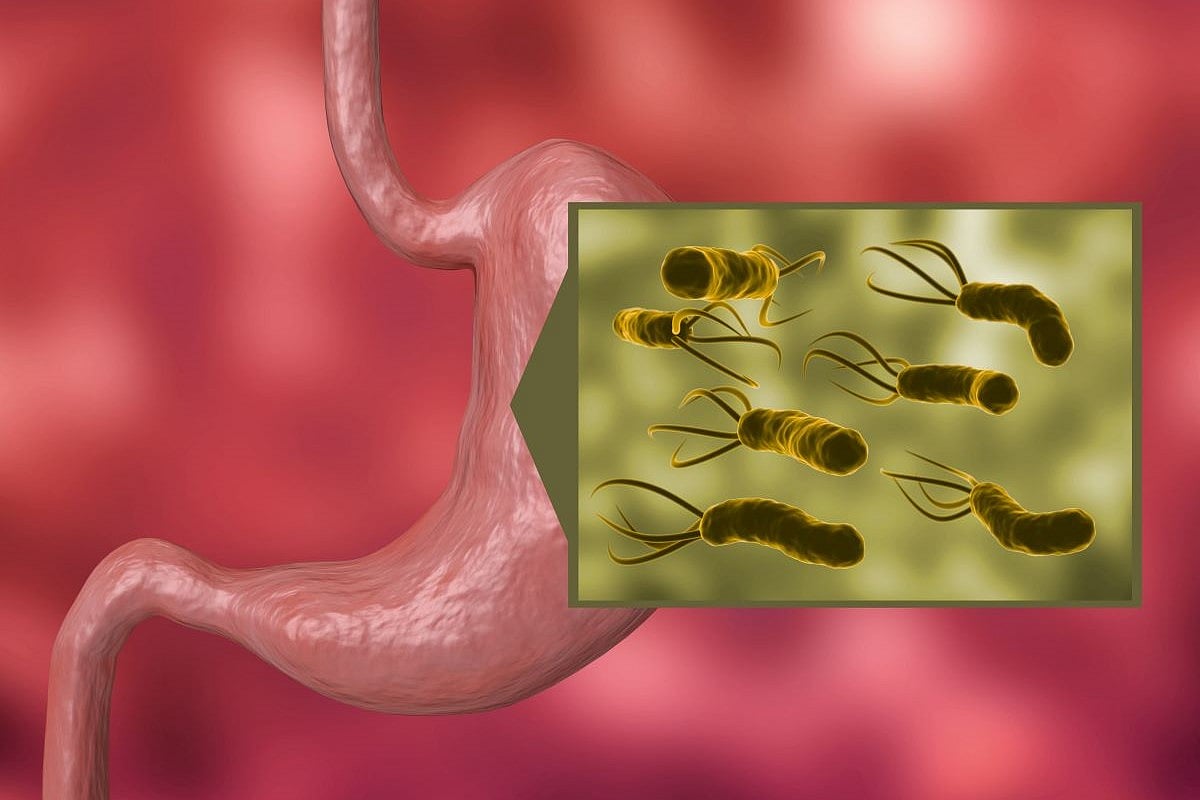 H. Pylori Exposure May Contribute to Global Burden of Colorectal Cancer
  Distinct Skin Microbiome Features Emerge Before Atopic Disease Onset in Infants
  Freshwater Swimming Tied to Stomach Bugs, Skin Conditions
  Couples" Coping Skills Help Reduce Depression in GI Cancer Survivors
  Organized, Biennial FIT-Based Screening Linked to Lower Colorectal Cancer Mortality
 .jpg)




