


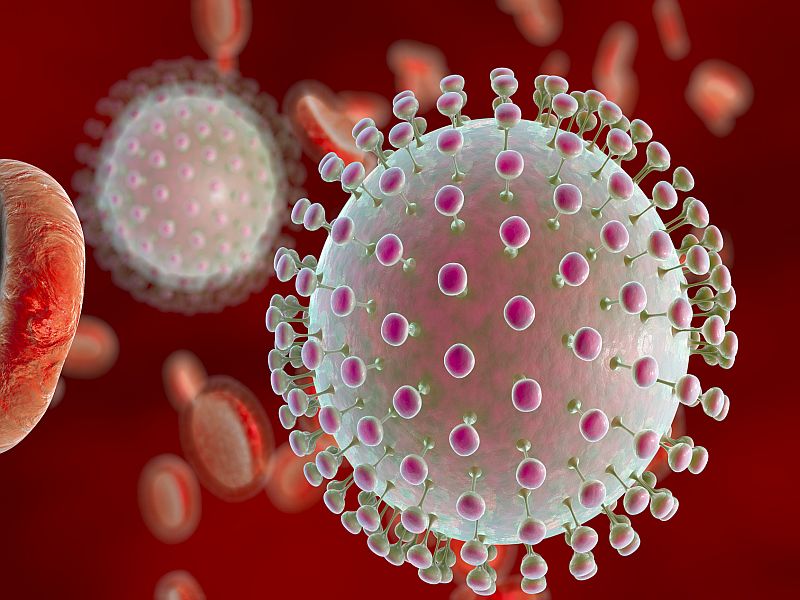
 Women planning to conceive should now wait eight weeks if they or partner live in high Zika-risk areas
TUESDAY, May 31, 2016 (HealthDay News) — Women planning to become pregnant should wait at least eight weeks before trying to conceive if they or their partner live in — or are returning from — areas where Zika virus infections are occurring, U.N. health officials now recommend.
Mosquito bites remain the most common source of infection of the virus but transmission of the virus through sex is more common than previously thought, World Health Organization officials said Monday. They had previously recommended a four-week abstinence before trying to conceive.
If the male partner has had symptoms of Zika infection, couples should wait six months before trying to have a baby, the WHO officials said.
“Independently of considerations regarding Zika virus, WHO always recommends the use of safer sexual practices including correct and consistent use of condoms to prevent HIV, other sexually transmitted infections, and unwanted pregnancies,” the authors of the interim guidance update write.
 Low Levels of Placental Growth Factor in Pregnancy Linked to Subsequent ADHD in Offspring
  Recommendations Issued for Use of Incretin-Based Meds in Pregnancy
  Maternal Vitamin D Status Linked to Preterm Delivery
  IBD Not Linked to Risk for Hypertensive Disorders of Pregnancy Overall
 .jpg) Pregnancy Complications Linked to Subsequent Risk for Cardiometabolic-Renal Conditions
Pregnancy Complications Linked to Subsequent Risk for Cardiometabolic-Renal Conditions  Isometric Exercise Training Three Times a Week Preserves Cardiovascular Benefits
  Serum 25(OH)D May Serve as Biomarker of Disease Activity in IBD
  Mom"s Poor Sleep in Late Pregnancy Linked to Offspring"s Obesity Risk in Early Childhood



.jpg)
