 Smallpox the only human disease to ever have been wiped out
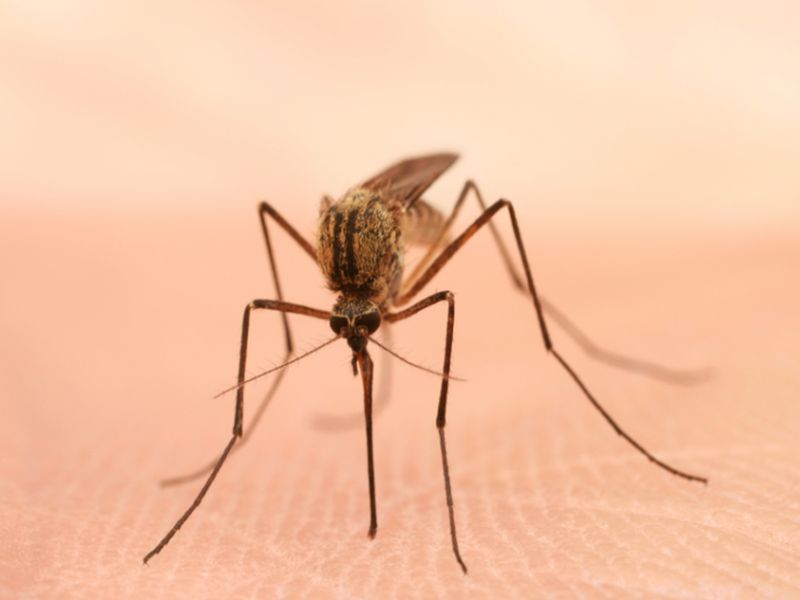
FRIDAY, Aug. 23, 2019 (HealthDay News) — The eradication of malaria worldwide may eventually be possible, but when that might be achieved is unclear, according to the World Health Organization.
The U.N. health agency is “unequivocally in favor” of wiping out malaria, but major questions about its feasibility remain, Pedro Alonso, M.D., Ph.D., the WHO global malaria director, said in a press briefing Thursday, the Associated Press reported. He added that “with the tools we have today, it is most unlikely eradication will be achieved.”
Alonso was presenting the results of a WHO-commissioned report by experts who said they could not offer a definitive timeline or cost estimate for malaria eradication because there are too many uncertainties to develop a clear strategy, the AP reported.
Eradicating malaria has long been a goal of the WHO, with the first attempt launched in 1955. Malaria kills about 435,000 people worldwide every year, mostly children in Africa. Smallpox is the only human disease to ever have been wiped out. In 1988, the WHO and partners began a global campaign to eradicate polio by 2000, but that effort is still ongoing, the AP reported.
 Locally Transmitted Malaria Made U.S. Return in 2023
  COVID-19 Pandemic Yielded Indirect Increases in Disease Burden
  Monoclonal Antibody Studied for Prevention of Malaria
  New Malaria Treatment Gets First Approval for Use in Children
  December 2024 to 2025 Saw Significant Increase in Leucovorin Dispensing
  Dexrazoxane Offers Lasting Doxorubicin Cardioprotective Effect in Childhood Cancer Survivors
  Long-Term Medication Adherence Tied to Lower Cardiovascular Event Rate in Type 2 Diabetes
 .jpg) Once-Weekly Oral Islatravir-Lenacapavir Noninferior to Daily B/F/TAF in HIV
Once-Weekly Oral Islatravir-Lenacapavir Noninferior to Daily B/F/TAF in HIV