



In a possible age-dependent trend, female participants 60 years or older had lower chronic rhinosinusitis prevalence
WEDNESDAY, Oct. 29, 2025 (HealthDay News) — Females have a higher odds of chronic rhinosinusitis (CRS) without nasal polyps than men, according to a study published online Oct. 23 in JAMA Otolaryngology-Head & Neck Surgery.
Richard G. Chiu, from University of Illinois, Chicago, and colleagues examined whether biological sex is associated with a diagnosis of CRS. The analysis included 258,245 participants (ages 50 years and older) identified from the All of Us Research Program.
The researchers found that after controlling for covariates, compared with male sex, female sex was associated with increased odds of CRS without nasal polyps among those younger than 60 years (odds ratio [OR], 1.44) and 60 years and older (OR, 1.32). Female sex was associated with lower odds of CRS with nasal polyps (OR, 0.63). Among individuals with CRS without nasal polyps, women had a lower concentration of serum eosinophils (β, −0.35) and immunoglobulin E (β, −99.73) when controlling for covariates, as well as lower eosinophils among participants with CRS with nasal polyps (β, −0.41). By age group, CRS prevalence showed a downtrend among female participants 60 years and older and an upward trend among younger age groups. A regression analysis showed a negative interaction effect between female sex and age 60 years and older and odds of CRS without nasal polyps (OR, 0.91).
“Our findings raise additional questions regarding the effect of hormone-modifying states such as menopause and hormonal drug use on the development and progression of CRS,” the authors write.
Abstract/Full Text (subscription or payment may be required)
 Active Smoking Linked to Progression of Sickle Cell Retinopathy
  Alcohol-Attributable Cancer Mortality Has Increased Significantly in the U.S.
  Full, Limited Functional Endoscopic Sinus Surgery Beneficial in Rhinosinusitis With Nasal Polyps
 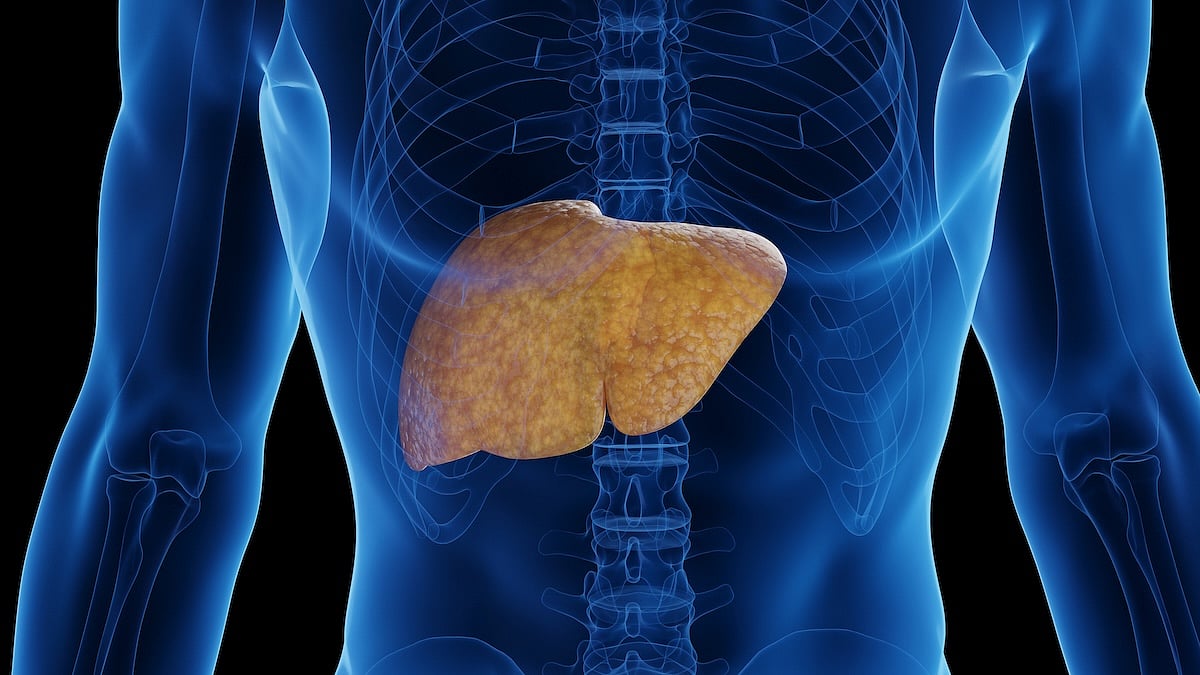 Impact of Alcohol Intake on Fibrosis Risk Varies by Sex, Liver Disease
  Steatotic Liver Disease Risk Scores Compared for Predicting Cirrhosis
  Cirrhosis Can Recur After Liver Transplant
  Increase Seen in Rates of Xenobiotic-Induced Liver Injury From 2020 to 2024
 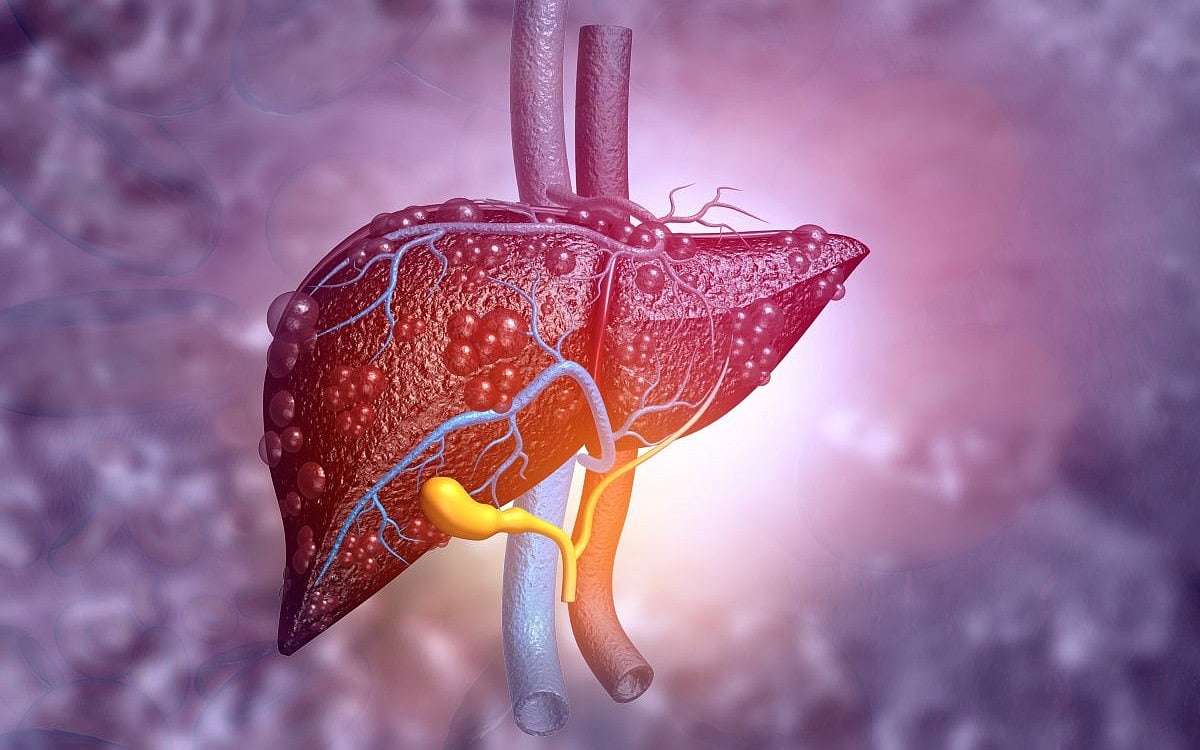 Link Between Liver Fibrosis in MASLD, ASCVD Varies by Glycemic Status



.jpg)
