By Nancy Wurtzel
Today’s clinicians will conduct between 120,000- 150,000 patient interviews during a typical career. However, during those important interviews, doctors on average let patients talk about their symptoms for only 18 seconds before interrupting.
Is it any surprise when patients report they are not being heard or understood by their physician?
Communication between doctors and patients has never been more critical. In fact, back-and-forth dialogue is so vital to successful care that it is now often referred to as the “talking cure.” This “talking cure” has been shown to reduce pain and improve blood pressure readings along with other positive effects.
According to a 2015 review of reports by the Joint Commission, communication failure – not a doctor’s technical skill – was at the root of over 70 percent of serious adverse health outcomes.
In other words, a provider can diagnose with accuracy and prescribe a course of therapy, however if the patient doesn’t understand or buy into it, there is a significant chance therapy won’t be successful.
Nirmal Joshi, chief medical officer for Pinnacle Health System, highlighted this information and more in The New York Times op-ed section. Joshi wrote, “…we need to move away from the perception that social skills and better communication are a kind of optional extra for doctors. A good bedside manner is simply good medicine.”
A failure to communicate effectively with patients can also be costly.
“Research shows that when doctors don’t listen to patients, they miss important health cues and misdiagnose illness,” wrote journalist Laura Landro in the Wall Street Journal. “Meanwhile, patients who don’t understand what their doctors’ say, fail to follow their regimens, leading to preventable hospitalizations, complications and poor outcomes. And a breakdown in physician-patient communication is cited in 40% or more of malpractice suits.”
Here are some ideas for improving communication between physicians and patients:
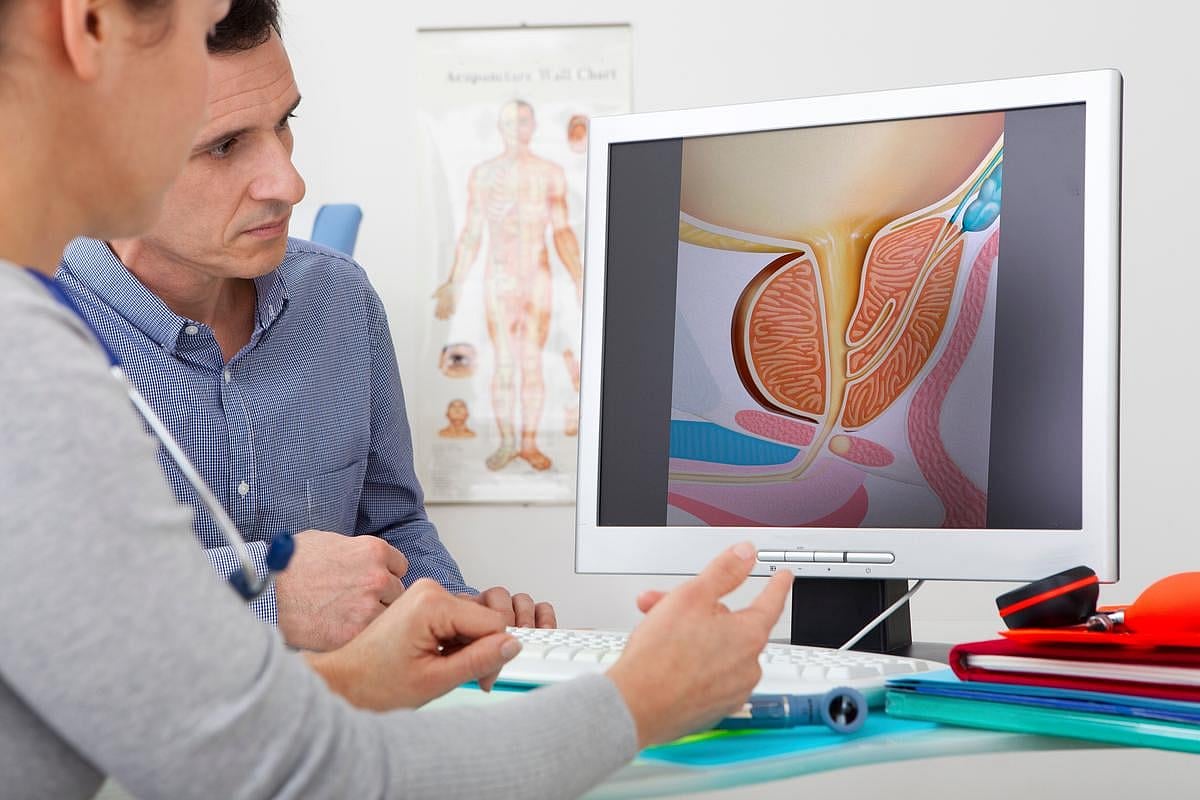
Make a Meaningful Connection: The physician who sits at or close to the patient’s eye level, looks patients in the eye, and allows the conversation to be back-and-forth will be judged to have better communication skills. Showing understanding, patience and empathy will further bond the patient to his or her provider.
More Information, But Not Always Better Educated: The internet means patients have access to almost unlimited information. However, this does not always mean they will be better educated, and there is the danger of self-diagnosing and treatment. Clarify any misinformation or facts for the patient, but avoid a lengthy lecture.
 2011 to 2021 Saw Heart Failure-Related Hospitalization Rise in CKD
  150+ Minutes of Social Media Daily Tied to Depression in Adults
  Biomarkers Plus Kidney Donor Profile Index Improve Prediction of Concordant Allograft Outcomes
  Adenotonsillectomy Tied to Increase in Respiratory Tract Infections in Children
  Fractional Exhaled Nitric Oxide Elevated in Pediatric Chest Tightness Variant Asthma
  Physical Exams May Not Reliably Diagnose Pediatric Pneumonia
  Robotic Arm-Assisted TKR Offers Similar Outcome to Conventional TKR
  Preoperative Chemo + Immunotherapy Combo Shrinks Head, Neck Cancer Tumors