By Nancy Wurtzel
The ability to drive represents independence, autonomy, self-sufficiency and much more. However, when someone is physically or mentally impaired, either due to aging or other factors, it may not be safe to continue driving.
For families and caregivers, this “driving dilemma” is one of the most sensitive, emotional, and challenging issues they face. Often, caregivers who have concerns will bring up this topic during an office exam. How can a physician gauge when a patient has reached the tipping point and should no longer be operating a moving vehicle? What happens next?
These are sticky questions, and as our population ages, more health care professionals will need to address these issues.
In 2003, The American Medical Association (AMA) published its first educational guidelines on this subject with an updated version published in 2010. The report urges health care professionals to become educated on this topic so they can both counsel patients and caregivers and take appropriate action if necessary.
The educational objectives of these AMA guidelines:
- Increase physician awareness of the safety risks of older drivers as a public health issue
- Identify patients who may be at risk for unsafe driving
- Use various clinical screens to assess patients’ level of function for driving fitness
- Employ referral and treatment options for patients who are no longer fit to drive
- Practice counseling techniques for patients who are no longer fit to drive
- Demonstrate familiarity with state reporting laws, and legal/ethical issues surrounding patients who may not be safe on the road
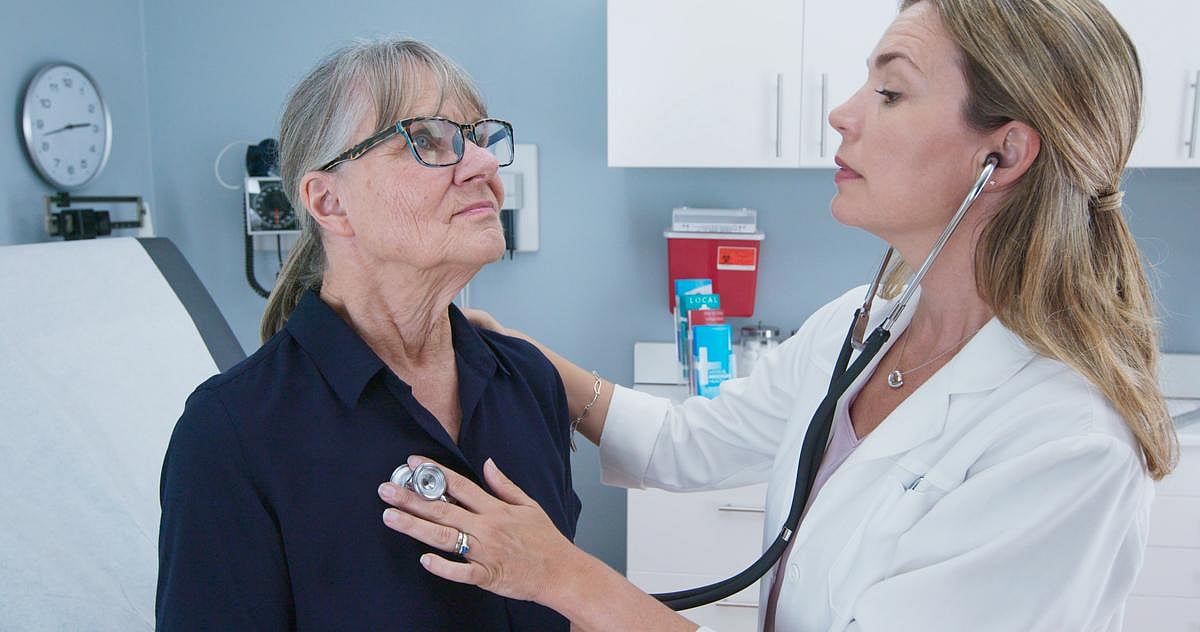
In a typical medical practice, family members and caregivers will broach the topic during an office visit. However, even if they do not, the physician can, and is encouraged by the AMA to use their professional “clout” to assess and broach the topic.
- Start by taking stock of the patient, noting both physical and mental abilities.
- Ask pointed questions. Has the patient had any accidents, near misses or traffic tickets? Are family members comfortable riding as a passenger with the patient at the wheel? Have there been incidents of the patient getting lost when driving? Is the caregiver worried the patient may harm himself or others when driving?
- During the assessment, make eye contact and assume a nonjudgmental tone. Be clear in what you are saying, and assume a kind but firm approach. If necessary, use statements such as, “I am concerned about your driving.” “I worry you could be a danger to yourself and others.” “I don’t want to see you get hurt.”
Explain that is it your duty to determine if a patient is unable to navigate the rules of the road, make good decisions, react quickly and appropriately, or determine if a patient has physical limitations that adversely affect driving ability.
Families are often looking for doctors to be proactive on their behalf, even playing the role of the professional “heavy.”
 Onset of Mortality, Morbidity Delayed for Offspring of Centenarians
  Acute Myeloid Leukemia Increasingly Impacting Older Adults Globally
  Habitual Fasting May Be Harmful for Older Adults
  Social Engagement May Sustain Brain Health Function
  Socioeconomic Inequalities Tied to Functional Aging
  Older Adults Limit Movements With Rising Temperatures
  Study IDs Dementia Risk Factors in Those Older Than 90 Years
  Emergency Presentation of Cancer Common in Older Adults