


Rates declined and remained low for women aged 45 to 49, 50 to 54, and 55 to 59 years
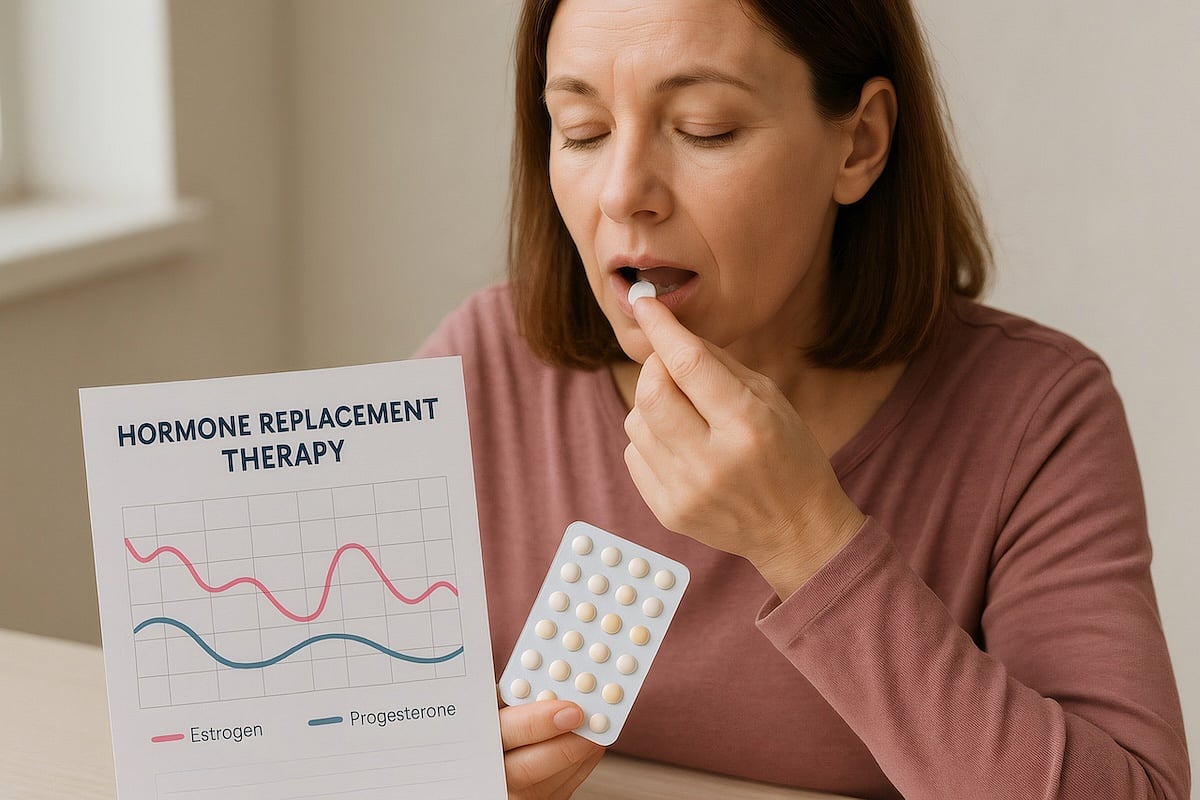
TUESDAY, Sept. 10, 2024 (HealthDay News) — Menopausal hormone therapy (HT) usage rates declined from 2007 to 2023 and remain low, according to a study presented at the annual meeting of The Menopause Society, held from Sept. 10 to 14 in Chicago.
Mariam Saadedine, M.D., from the Mayo Clinic in Jacksonville, Florida, and colleagues described systemic menopausal HT utilization in women aged 40 years and older between 2007 and 2023 using claims data from the OptumLabs data warehouse. The annual rate of HT utilization was defined as the proportion of women with at least 180 days of a filled prescription for systemic estrogen-containing menopausal HT within one year.
The study population increased from about 2 million in 2007 to 4.5 million in 2023. The researchers found that among women aged 40 years or older, HT use was 4.6 percent in 2007, decreased to 2.5 percent between 2007 and 2014, and continued decreasing, reaching 1.8 percent in 2023. The most common route of administration was oral. HT use decreased from 3.2, 6, and 7.3 percent in 2007 to 1.5, 3.6, and 3.8 percent in 2023 among women aged 45 to 49, 50 to 54, and 55 to 59 years.
“These findings suggest that substantial barriers to HT use remain, and additional efforts are needed to educate women and clinicians about menopause management and HT use more specifically,” coauthor Stephanie Faubion, M.D., medical director of The Menopause Society, said in a statement.
 Oral Menopausal Hormone Therapy Linked to Venous Thromboembolic Risk
  MHT Initiation May Reduce Cardiovascular Risk in Women With Vasomotor Symptoms
  Longer Reproductive Lifespan Tied to Lower Bronchiectasis Risk in Postmenopausal Women
  Midlife Onset of Increasing Pulse Pressure Not Linked to Menopause
 .jpg) Pregnancy Complications Linked to Subsequent Risk for Cardiometabolic-Renal Conditions
Pregnancy Complications Linked to Subsequent Risk for Cardiometabolic-Renal Conditions  Isometric Exercise Training Three Times a Week Preserves Cardiovascular Benefits
  IBD Not Linked to Risk for Hypertensive Disorders of Pregnancy Overall
  Mortality in Injured Children Linked to Higher SBP Thresholds Than Those That Define Hypotension



.jpg)
