


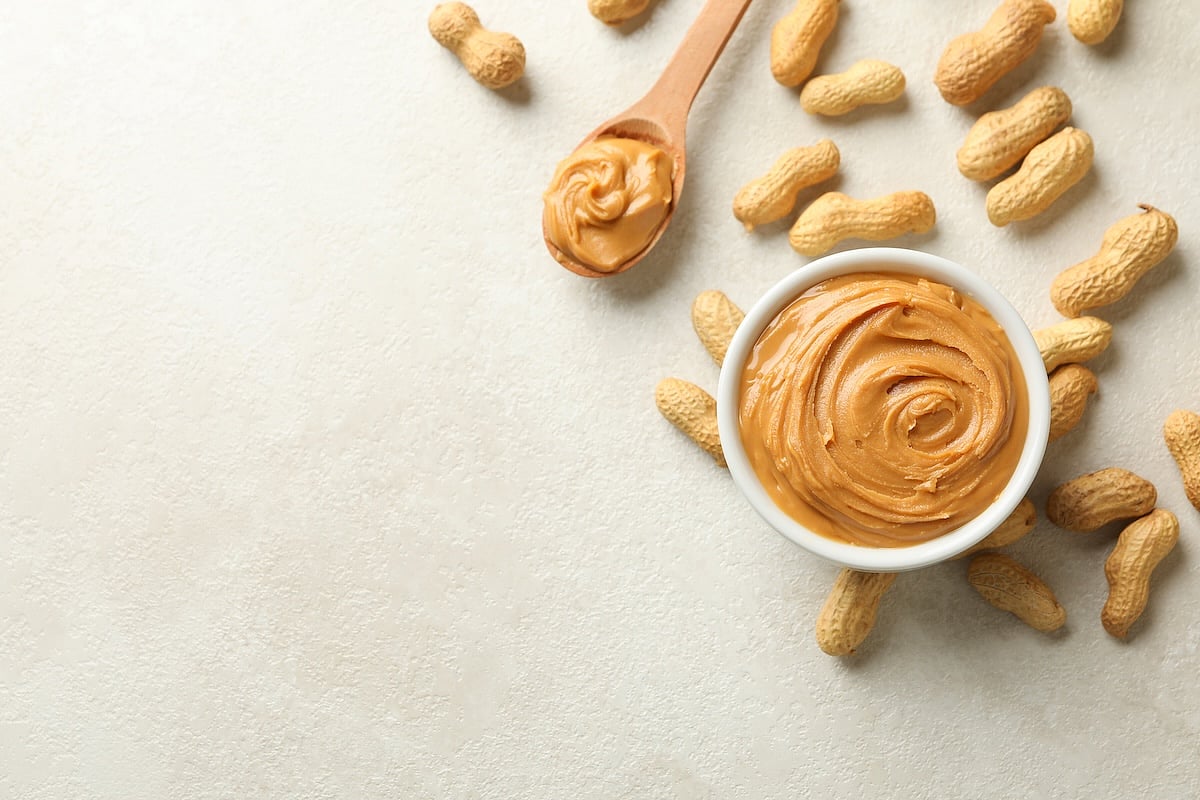
30-mg maintenance dose was clinically similar to 300-mg dose, with fewer adverse events
WEDNESDAY, Jan. 7, 2026 (HealthDay News) — For peanut oral immunotherapy (P-OIT), a 30-mg maintenance dose increases the threshold over strict avoidance, according to a study published online Oct. 16 in the Journal of Allergy and Clinical Immunology.
Julia E.M. Upton, M.D., M.P.H., from the University of Toronto, and colleagues examined whether very low-dose oral immunotherapy (30 mg) may safely and effectively increase tolerated doses in a prospective study involving 51 peanut-allergic children (median age, 10 years) reactive to 444 mg peanut protein (PP) or less in a double-blind placebo-controlled food challenge. Fifty-one children were randomly assigned to three groups: two were double-blinded P-OIT groups escalating to 30 or 300 mg PP maintenance doses; the third group followed open-label avoidance.
The researchers found that by intention to treat, 13 of 17 patients in the 30-mg group tolerated 443 mg or greater PP and seven of 17 tolerated 1,043 mg or greater PP; in the 300-mg group, 10 of 17 and eight of 17 tolerated 443 mg or greater and 1,043 mg or greater PP, respectively. No patients tolerated 443 mg or greater or 1,043 mg or greater PP in the avoidance group. The 30-mg and 300-mg groups had similar laboratory parameters (specific immunoglobulin [Ig] E and specific IgG4), with significant improvements from the avoidance group. Fewer systemic adverse events were seen in the 30-mg group versus the 300-mg group.
“This low dose increases the clinical threshold of reactivity to an amount expected to confer protection from cross-contamination and drives beneficial immunologic changes,” the authors write.
Abstract/Full Text (subscription or payment may be required)
 Rheumatic Immune-Related AEs With Immune Checkpoint Inhibitors More Severe Than Previously Reported
  High Intake of Eggs, Peanuts in Pregnancy Does Not Lower Allergy Risk
  Blinatumomab Improves Event-Free Survival in Children With High-Risk B-Cell ALL
  Distinct Skin Microbiome Features Emerge Before Atopic Disease Onset in Infants
  Lower Dietary Diversity in First Year Linked to Atopic Dermatitis
 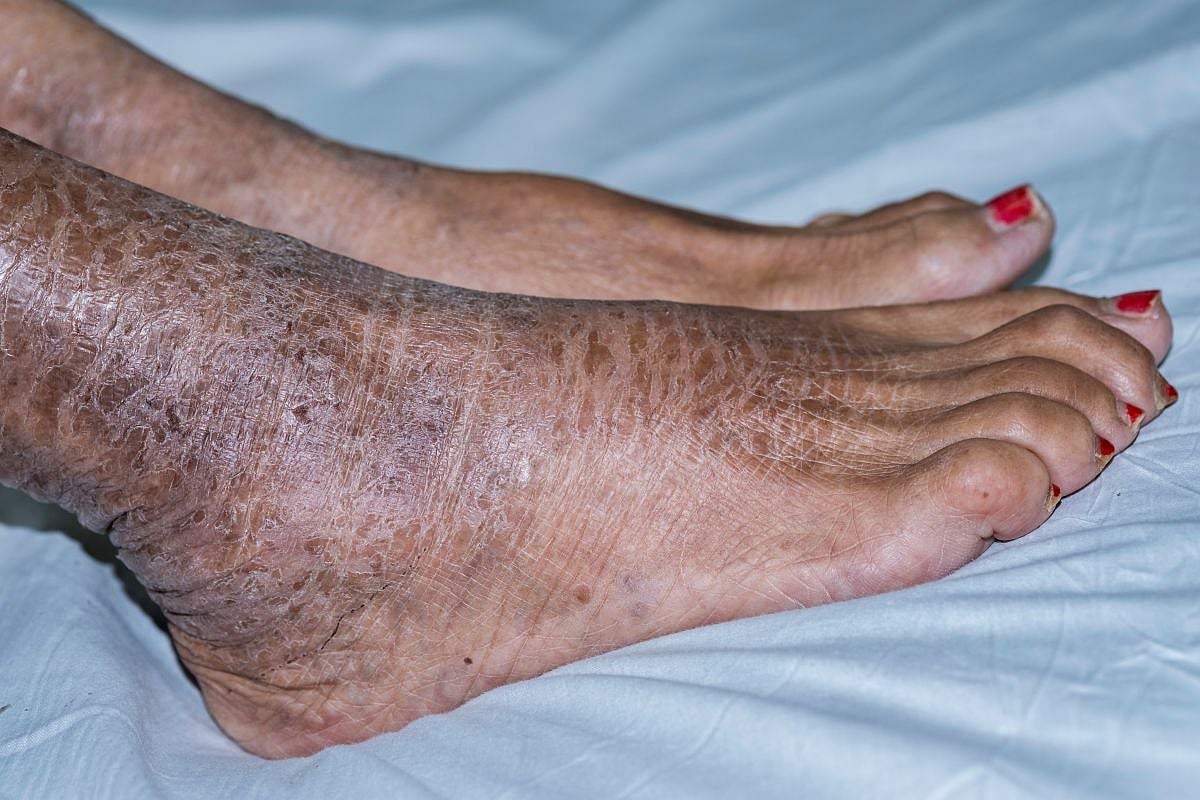 Congenital Ichthyosis Linked to Allergic Disorders
  Gene Mutation Identified That Increases Lung Cancer Risk
  H. Pylori Exposure May Contribute to Global Burden of Colorectal Cancer

.jpg)

