


Prevalence expected to continue increasing and reach 11.4 million in 2050; lifetime risk for heart failure up to 24 percent
WEDNESDAY, Oct. 2, 2024 (HealthDay News) — About 6.7 million Americans older than age 20 years have heart failure, according to an updated report from the Heart Failure Society of America published online Sept. 24 in the Journal of Cardiac Failure.
Biykem Bozkurt, M.D., Ph.D., from the Baylor College of Medicine in Houston, and colleagues updated trends in the incidence, prevalence, lifetime risk, mortality, and hospitalization rates of heart failure.
The authors note that about 6.7 million Americans older than age 20 years have heart failure, and the prevalence is expected to increase to 8.7, 10.3, and 11.4 million in 2030, 2040, and 2050, respectively. The lifetime risk for heart failure has increased to 24 percent. Compared with the proportion of older patients, the proportion of younger patients with heart failure is increasing. About one-third of U.S. adults are at risk for heart failure, and 24 to 34 percent of the U.S. population has pre-heart failure. Individuals with obesity, hypertension, and clusters of comorbidities have an increased risk for developing heart failure. Compared with other racial and ethnic groups, Black individuals have a higher incidence and prevalence of heart failure. Since 2012, heart failure mortality rates have been increasing, with a more pronounced acceleration since 2020 to 2021. Compared with 1999, the age-adjusted heart failure mortality rates were higher in 2021; in 2021, heart failure accounted for 45 percent of cardiovascular deaths in the United States.
“We need to address worsening trends in heart failure, not only through medical interventions and properly implemented guideline-directed medical therapy, but by tackling the growing challenges in health care regarding access and coverage for appropriate and timely care,” Bozkurt said in a statement.
Several authors disclosed ties to the pharmaceutical industry.
 Elevated C-Reactive Protein Linked to Increased Risk for Incident Heart Failure, All-Cause Mortality
  UACR, UPCR Provide Indistinguishable Prognostic Information in CKD
  Use of SAMA, SABA Linked to Cardiovascular Events, Mortality in Asthma, COPD
 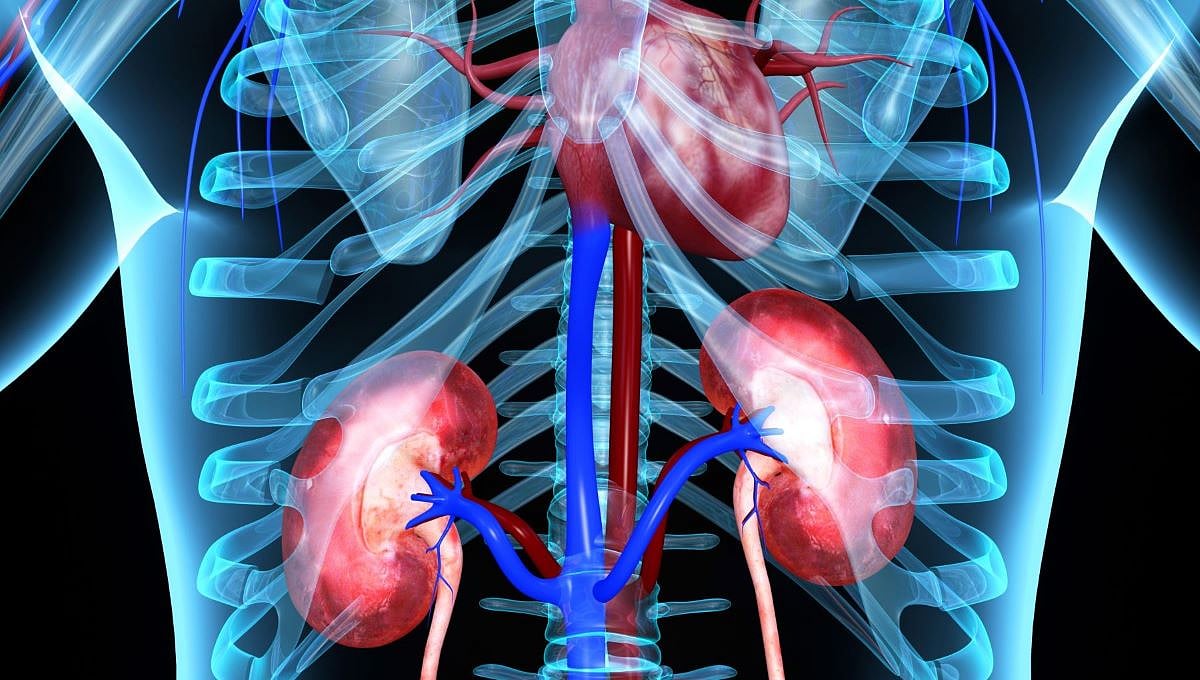 2011 to 2021 Saw Heart Failure-Related Hospitalization Rise in CKD
  GLP-1 Receptor Agonists, SGLT-2is Slow Renal Function Decline in T2D With Albuminuria
 .jpeg) 1997 to 2022 Saw Increase in Pediatric Hospitalizations With AKI
1997 to 2022 Saw Increase in Pediatric Hospitalizations With AKI  Early Complications Common in Older Kidney Transplant Recipients
  Frailty Linked to Incident Cognitive Decline in Men With CKD


.jpg)

