


Screening performance increased following AI implementation
TUESDAY, June 11, 2024 (HealthDay News) — Implementation of artificial intelligence (AI) into a population-based mammography screening program reduced the overall workload of radiologists while improving screening performance, according to a study published online June 4 in Radiology.
Andreas D. Lauritzen, Ph.D., from University of Copenhagen in Denmark, and colleagues compared workload and screening performance for two cohorts of women who underwent screening before (Oct. 1, 2020, to Nov. 17, 2021) and after (Nov. 18, 2021, to Oct. 17, 2022) AI system implementation. The analysis included 60,751 women (50 to 69 years old) who underwent biennial mammography screening before implementation and 58,246 after implementation.
The researchers found that after AI system implementation, the recall rate decreased by 20.5 percent (3.09 percent before AI versus 2.46 percent with AI), the cancer detection rate increased (0.70 versus 0.82 percent), the false-positive rate decreased (2.39 versus 1.63 percent), the positive predictive value increased (22.6 versus 33.6 percent), the rate of small cancers (≤1 cm) increased (36.6 versus 44.9 percent), the rate of node-negative cancers was unchanged (76.7 versus 77.8 percent), and the rate of invasive cancers decreased (84.9 versus 79.6 percent). Postimplementation, the reading workload declined by 33.5 percent.
“We believe AI has the potential to improve screening performance,” Lauritzen said in a statement.
Several authors disclosed ties to the pharmaceutical and medical technology industries.
 Gap Found Between Awareness of Breast Cancer Risk and Risk-Reducing Behavior
  Exercise Intervention Linked to Improved Attention, Memory in Breast Cancer
 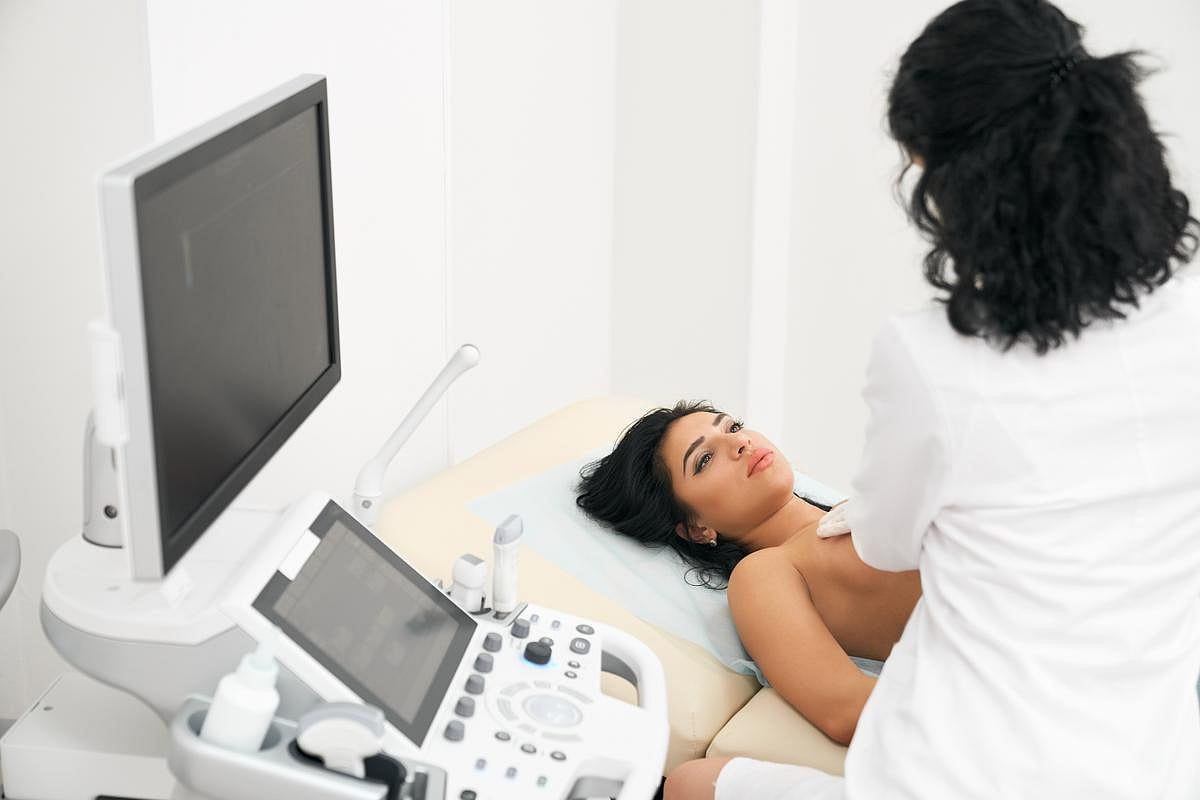 Dense Breast Notification Linked to Increase in Use of Supplemental Ultrasound
 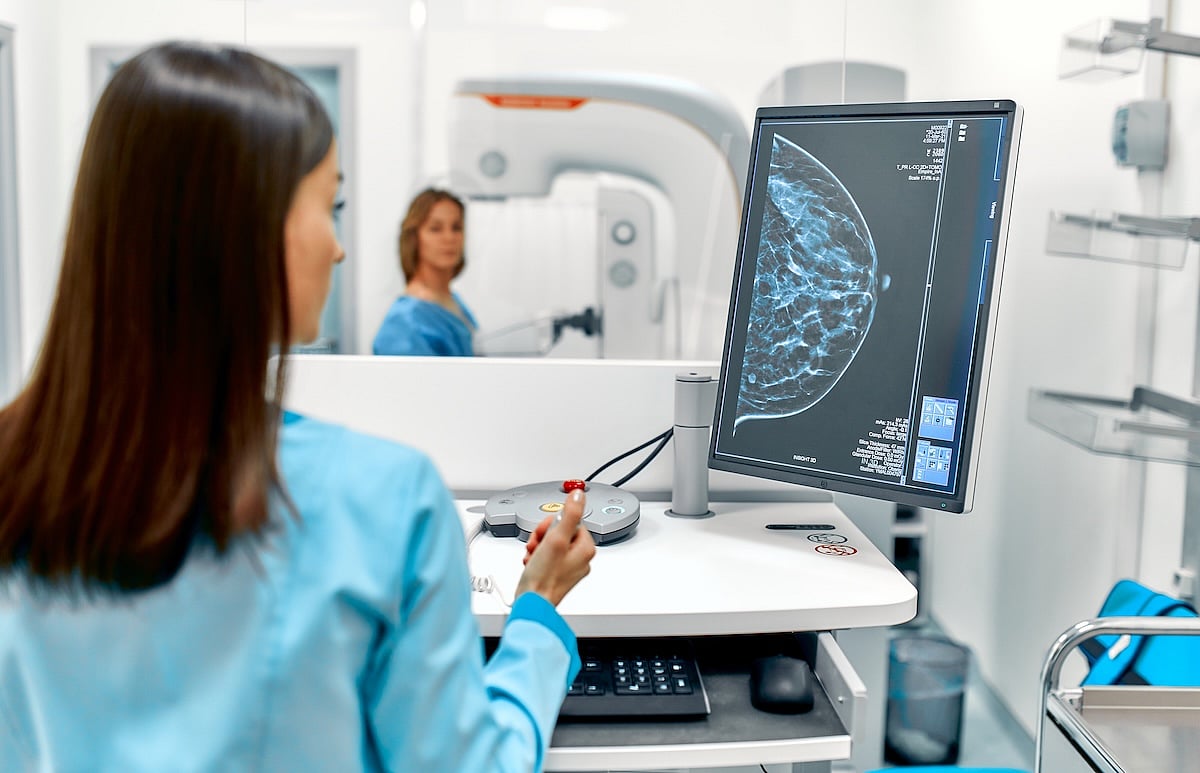 Mammography Trials Yield Excess-Incidence Patterns Consistent With Low Overdiagnosis
  Lower Breast, Cervical Cancer Screening Seen for Adults With Disabilities
  Alcohol-Attributable Cancer Mortality Has Increased Significantly in the U.S.
  Chemo-Free Combo of Four Targeted Therapies Shows Promise in Metastatic Breast Cancer
  AMH Predicts Benefit of Chemo + Endocrine Therapy in Under 55s With Breast Cancer
 .jpg)




