


Fewer depressive symptoms and better mental health associated with higher psychological resilience
TUESDAY, Feb. 4, 2025 (HealthDay News) — Fewer depressive symptoms and better mental health are associated with higher psychological resilience among older women after hip fracture, according to a study published online Jan. 9 in the Journal of Gerontology: Series A.
Taylor McClennen, from the University of Massachusetts T.H. Chan School of Medicine in Worchester, and colleagues identified factors associated with increased psychological resilience in older women after hip fracture in a study involving 129 women aged 65 years and older with recent surgically repaired hip fracture. Baseline resilience was measured using the Brief Resilience Scale (BRS) and was categorized as low (BRS <4) or high (BRS ≥5).
Overall, 57 women (44 percent) reported high resilience. The researchers observed no significant associations for education or cognition with resilience. In adjusted models, a lower Geriatric Depression Score (GDS) and better Patient-Reported Outcomes Measurement Information System Global Mental Health (PROMIS-GMH) scores were associated with high resilience. The adjusted odds ratio for high versus low resilience was 0.76 for every 1-point worsening in GDS. Positive mental health remained significantly associated with higher resilience in a model with GDS, PROMIS-GMH, and age (adjusted odds ratio, 1.34).
“Hip fracture recovery highlights the interplay between psychological and physical health, and the importance of managing both of these in order to improve meaningful outcomes,” the authors write. “Our findings provide additional reason[s] to screen for mental health in older adults recovering from surgery.”
Abstract/Full Text (subscription or payment may be required)
 Implant, Patient Survival Do Not Differ for Robotic and Conventional Total Joint Replacement
  Better Youth Fitness May Lower Risk for Depression in Adulthood
 .jpg) Pregnancy Complications Linked to Subsequent Risk for Cardiometabolic-Renal Conditions
Pregnancy Complications Linked to Subsequent Risk for Cardiometabolic-Renal Conditions  Physical Therapist-Supervised Exercise Improves Outcomes After ACL Reconstruction
 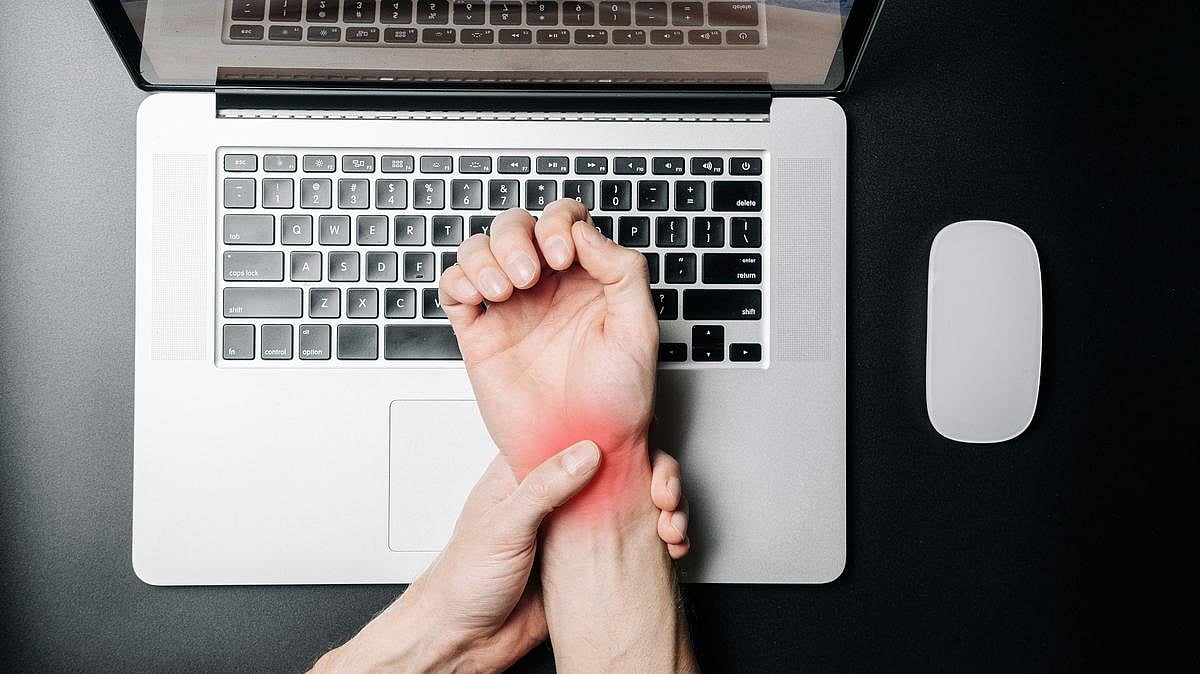 Ultrasound-Guided Hydrodissection Yields Improvements in Carpal Tunnel
  2013 to 2024 Saw Decrease in Benzodiazepine Prescribing
  2016 to 2024 Saw Increase in Patients Using Medical Cannabis
  Early Complications Common in Older Kidney Transplant Recipients

.jpg)


