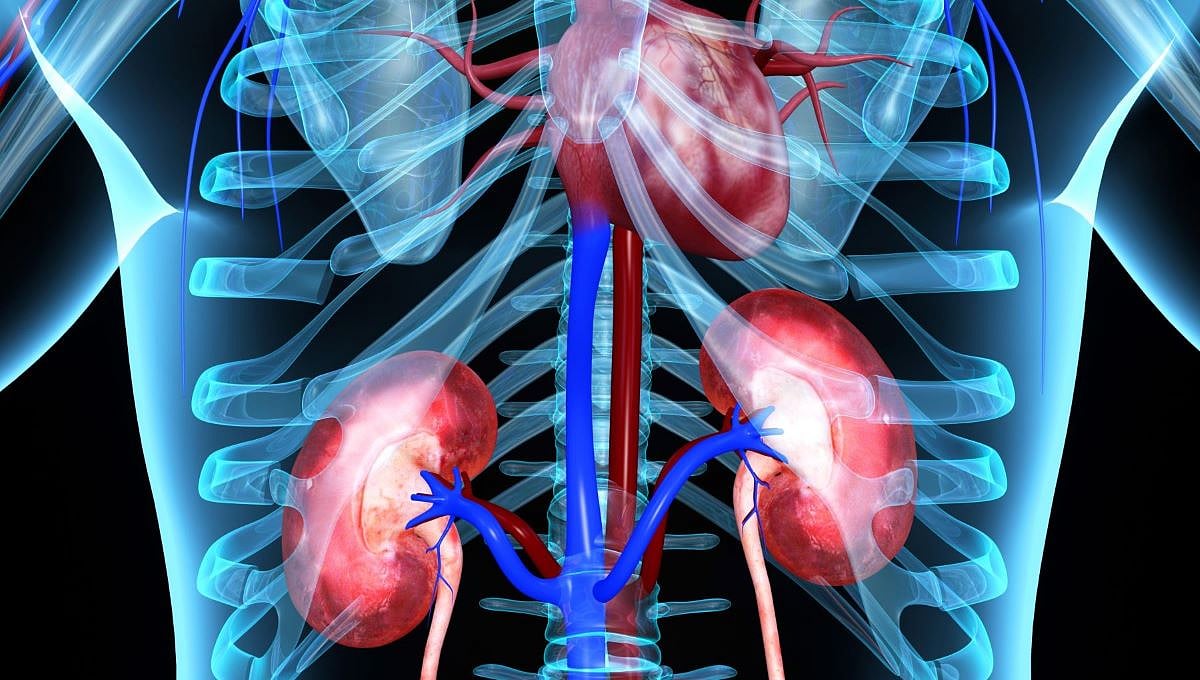
Association strongest for those with cannabis use disorder compared with cannabis users without abuse or dependence or nonusers
TUESDAY, Nov. 25, 2025 (HealthDay News) — Cannabis use is associated with a lower risk for alcohol-associated liver disease (ALD) in patients with alcohol use disorder (AUD), according to a study published online Oct. 21 in Liver International.
Butros Fakhoury, M.D., from the Virginia Commonwealth University in Richmond, and colleagues evaluated the association between cannabis use and ALD risk among patients with AUD. The analysis included 33,114 matched patients with cannabis use disorder (CUD) or nonusers.
The researchers found that compared with noncannabis use, CUD was associated with a lower risk for ALD (hazard ratio [HR], 0.60), hepatic decompensation (HR, 0.83), and all-cause mortality (HR, 0.86) among individuals with AUD. For cannabis users without cannabis abuse or dependence, there was an association with lower risks for ALD, but risks for hepatic decompensation and all-cause mortality were similar to those of noncannabis users with AUD.
“Cannabis may have protective properties, but we still don”t know exactly how much, what form or what dose might be safe or effective,” Fakhoury said in a statement. “The goal isn”t to promote cannabis use, but to understand which parts of it might hold promise as medicine.”
 Increase Seen in Rates of Xenobiotic-Induced Liver Injury From 2020 to 2024
  Impact of Alcohol Intake on Fibrosis Risk Varies by Sex, Liver Disease
  Link Between Liver Fibrosis in MASLD, ASCVD Varies by Glycemic Status
  3.2 Percent Undergoing Bariatric Surgery Develop New Alcohol-Related Diagnosis
  Most Metabolic and Bariatric Surgery Candidates Meet Criteria for Clinical Obesity
  Obesity Treatment for U.S. Adolescents and Young Adults Shifted Rapidly From 2022 to 2026
  Stepped Alcohol Treatment Via Telehealth Reduces Alcohol Use
  RYGB, Sleeve Gastrectomy Cost-Effective for Teens With Severe Obesity