


Authors say diabetes risk awareness needs to be integrated into substance use disorder treatment
FRIDAY, Sept. 19, 2025 (HealthDay News) — Cannabis use is associated with a nearly quadrupled risk for developing type 2 diabetes, according to a study presented at the annual meeting of the European Association for the Study of Diabetes, held from Sept. 15 to 19 in Vienna.
Ibrahim Kamel, M.D., from Boston Medical Center, and colleagues evaluated the association between cannabis use and the risk for developing diabetes mellitus. The analysis included electronic health records from 96,795 adults (18 to 50 years) with cannabis-related diagnoses between 2010 and 2018 and roughly 4.16 million healthy individuals with no record of substance use or major chronic conditions.
The researchers found that diabetes incidence was significantly higher in the cannabis cohort (2.2 percent) versus the healthy cohort (0.6 percent). The risk difference was 1.6 percent (z = 28.845; P < 0.0001), the risk ratio was 3.739, and the odds ratio was 3.802, indicating that cannabis users had a nearly four times greater risk for developing diabetes. Additionally, there was lower diabetes-free survival in cannabis users (96.82 percent) versus controls (99.15 percent) over five years (χ2 = 1112.03; P < 0.0001; and hazard ratio, 4.532).
“These new sights from reliable real-world evidence highlight the importance of integrating diabetes risk awareness into substance use disorder treatment and counseling, as well as the need for health care professionals to routinely talk to patients about cannabis use so that they can understand their overall diabetes risk and potential need for metabolic monitoring,” Kamel said in a statement.
.jpg) Pregnancy Complications Linked to Subsequent Risk for Cardiometabolic-Renal Conditions
Pregnancy Complications Linked to Subsequent Risk for Cardiometabolic-Renal Conditions  GLP-1 Receptor Agonists, SGLT-2is Slow Renal Function Decline in T2D With Albuminuria
 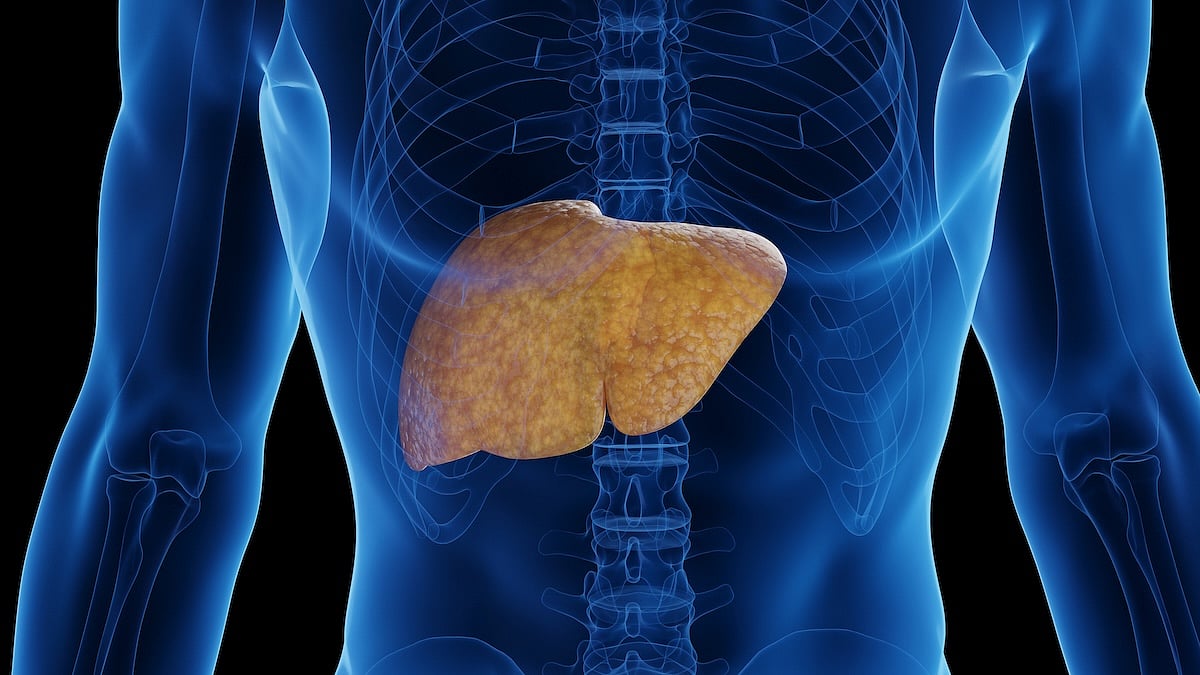 Genetics, Diabetes Tied to MASLD-Associated Cirrhosis Before Age 50
 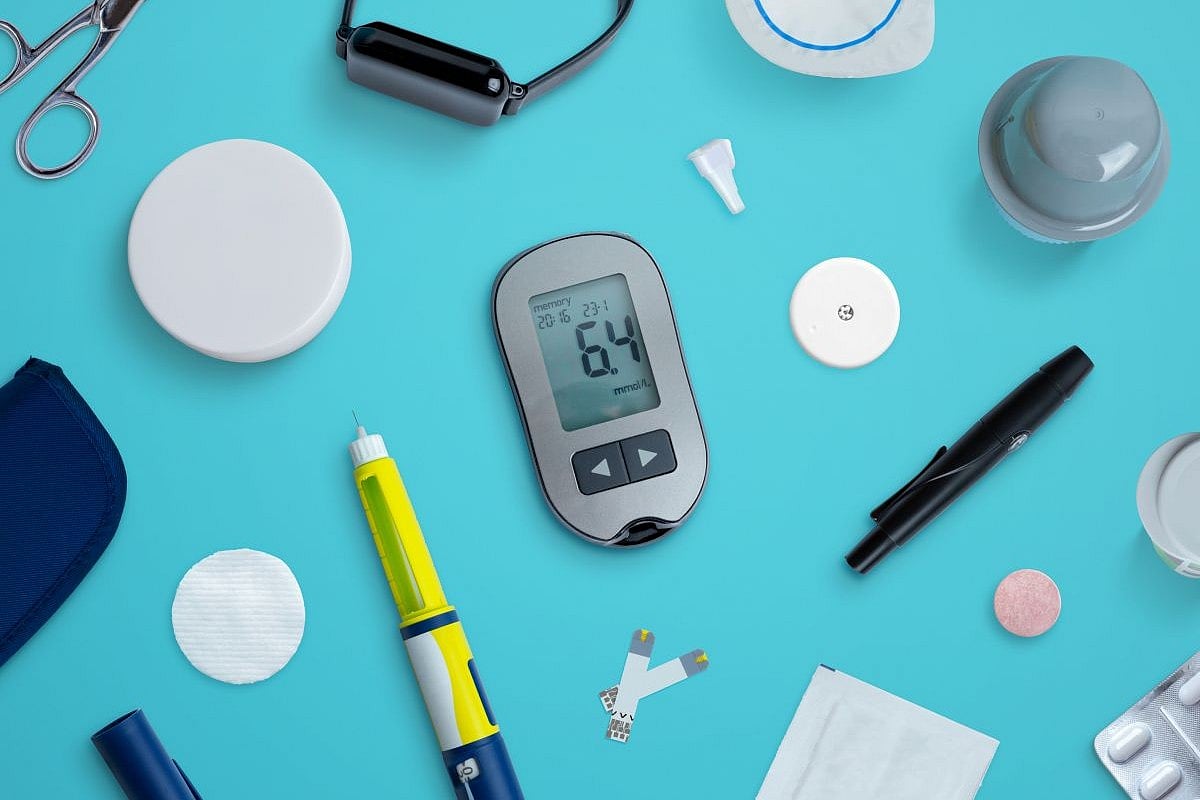 Study IDs Risk Factors for Ketoacidosis in Adults With T2D Receiving SGLT2 Inhibitors
 .jpg) Most Specialty Oral Anticancer Meds for Blood Cancers Are Initially Rejected by Insurers
Most Specialty Oral Anticancer Meds for Blood Cancers Are Initially Rejected by Insurers  Drug Interactions Reducing Contraceptive Effectiveness Common in Epilepsy
  Holding DMARDs at Time of COVID-19 Vaccine Not Warranted in Those With Inflammatory Arthritis
  1 in 3 With Lupus Take Supplements, Medications With Potential for Interactions


