


Ovarian cancer detected with specificity >99 percent and sensitivity ranging from 69 to 100 percent depending on stage
FRIDAY, Oct. 4, 2024 (HealthDay News) — Integrated cell-free DNA (cfDNA) fragmentome and protein analyses detect ovarian cancers with high performance, according to a study published online Sept. 30 in Cancer Discovery.
Jamie E. Medina, Ph.D., from the Sidney Kimmel Comprehensive Cancer Center at the Johns Hopkins University School of Medicine in Baltimore, and colleagues used whole-genome cfDNA fragmentome and protein biomarker (CA-125 and HE4) analyses to assess 591 women with ovarian cancer, with benign adnexal masses, or without ovarian lesions.
The researchers detected ovarian cancer with specificity >99 percent and sensitivity of 72, 69, 87, and 100 percent for stages I to IV using a machine learning model with the combined features. CA-125 alone detected 34, 62, 63, and 100 percent of ovarian cancers for stage I to IV at the same specificity. Benign masses were differentiated from ovarian cancers with high accuracy (area under the receiver operating characteristic curve, 0.88). Validation of these results was performed in an independent population.
“The use of both cfDNA and protein measurements may initially appear to be complex, but both types of analytes can be assessed from the same sample of blood, and optimized methods suggest that this combined approach would be cost-efficient and accessible,” the authors write. “Overall, this study provides a new accessible approach for early detection of ovarian cancer that may overcome current challenges for ovarian cancer screening and reduce the morbidity and mortality of this disease.”
Several authors disclosed ties to the biopharmaceutical industry.
Abstract/Full Text (subscription or payment may be required)
 Urine Cell-Free RNA Shows Promise as Biomarker for Bladder Cancer
  Age-, Joint-Specific Ultrasound Reference Values Set for Healthy Joints
 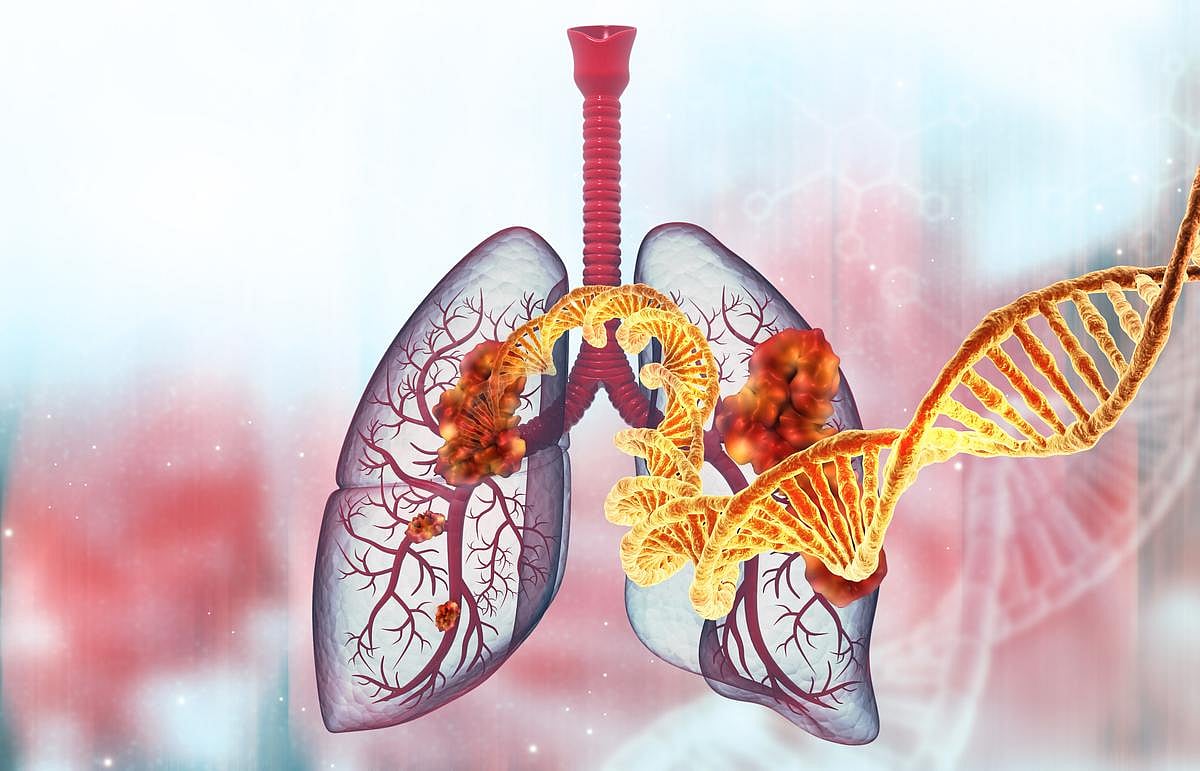 Gene Mutation Identified That Increases Lung Cancer Risk
 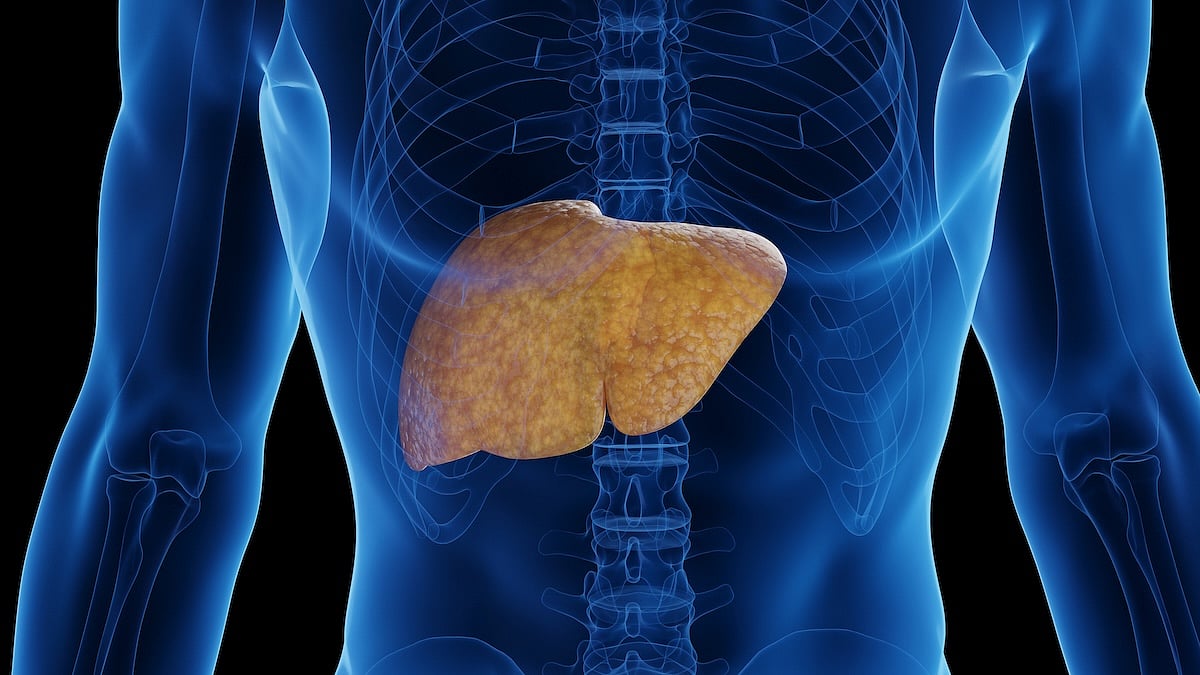 Genetics, Diabetes Tied to MASLD-Associated Cirrhosis Before Age 50
  GLP-1 Receptor Agonists, SGLT-2is Slow Renal Function Decline in T2D With Albuminuria
  Steatotic Liver Disease Risk Scores Compared for Predicting Cirrhosis
  Cirrhosis Can Recur After Liver Transplant
 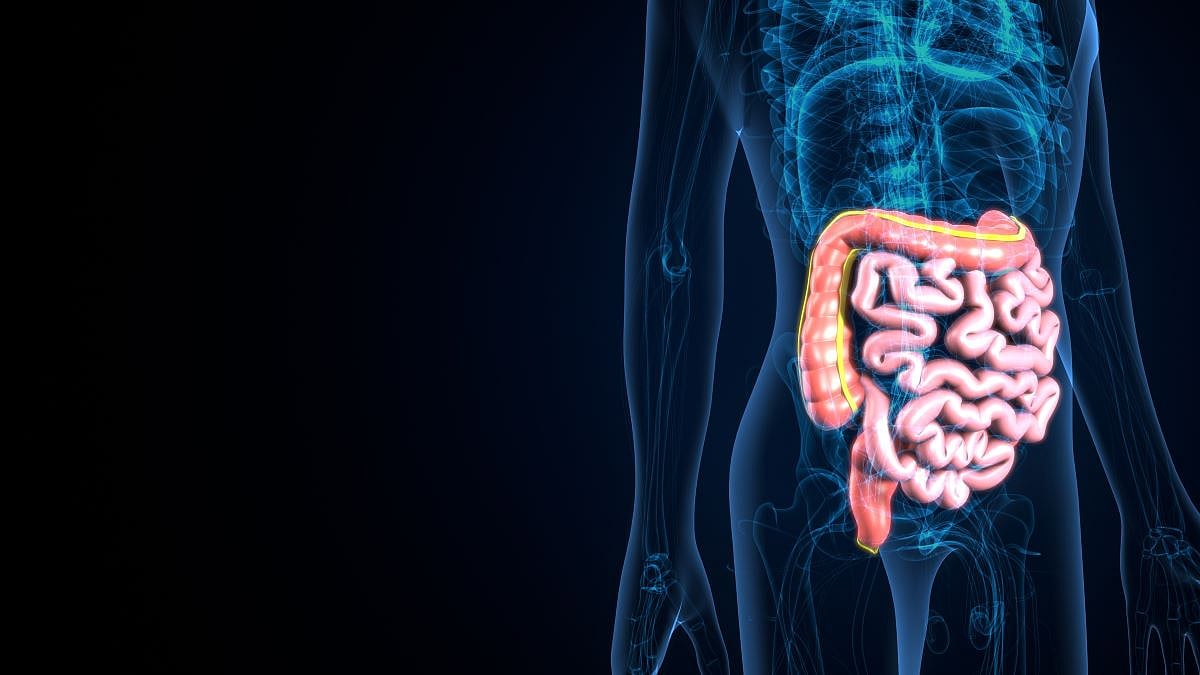 Family History of CRC Increases CRC Risk Similarly in IBD, General Population




.jpg)