


Findings seen for individuals with previous negative colonoscopy screening
TUESDAY, Dec. 3, 2024 (HealthDay News) — Colorectal cancer (CRC) risk factors are important to consider when making decisions for colonoscopy rescreening following negative colonoscopy screening (NCS) results (no presence of CRC or polyps), according to a study published online Nov. 27 in JAMA Oncology.
Markus Dines Knudsen, Ph.D., from the Harvard T.H. Chan School of Public Health in Boston, and colleagues examined long-term CRC incidence and mortality after NCS results and by risk score using major demographic and lifestyle risk factors. The analysis included data from three prospective U.S. population-based cohorts, including the Nurses’ Health Study, Nurses’ Health Study II, and Health Professionals Follow-up Study (1988 and 1991 to 2020; 195,453 participants), as well as data from the National Health and Nutrition Examination Survey (from 2017 through 2018).
The researchers found that negative colonoscopy screening results were consistently associated with lower CRC incidence (hazard ratio, 0.51) and mortality (hazard ratio, 0.56) for 20 years. For those with NCS results and intermediate risk (scores, 6 to 7) or low risk (scores, 0 to 5), the 10-year cumulative incidence of CRC (0.78 percent) of the high-risk individuals (scores, 8 to 12) was not reached until 16 and 25 years after initial screening, respectively.
“These findings provide evidence for shared decision-making between patients and physicians to consider extending the rescreening intervals after an NCS result beyond the currently recommended 10 years, particularly for individuals with a low-risk profile,” the authors write.
Two authors disclosed ties to the pharmaceutical and biotechnology industries.
Abstract/Full Text (subscription or payment may be required)
 Surveillance Colonoscopy at Five Years After Adenoma Removal Noninferior to Three Years
  Family History of CRC Increases CRC Risk Similarly in IBD, General Population
 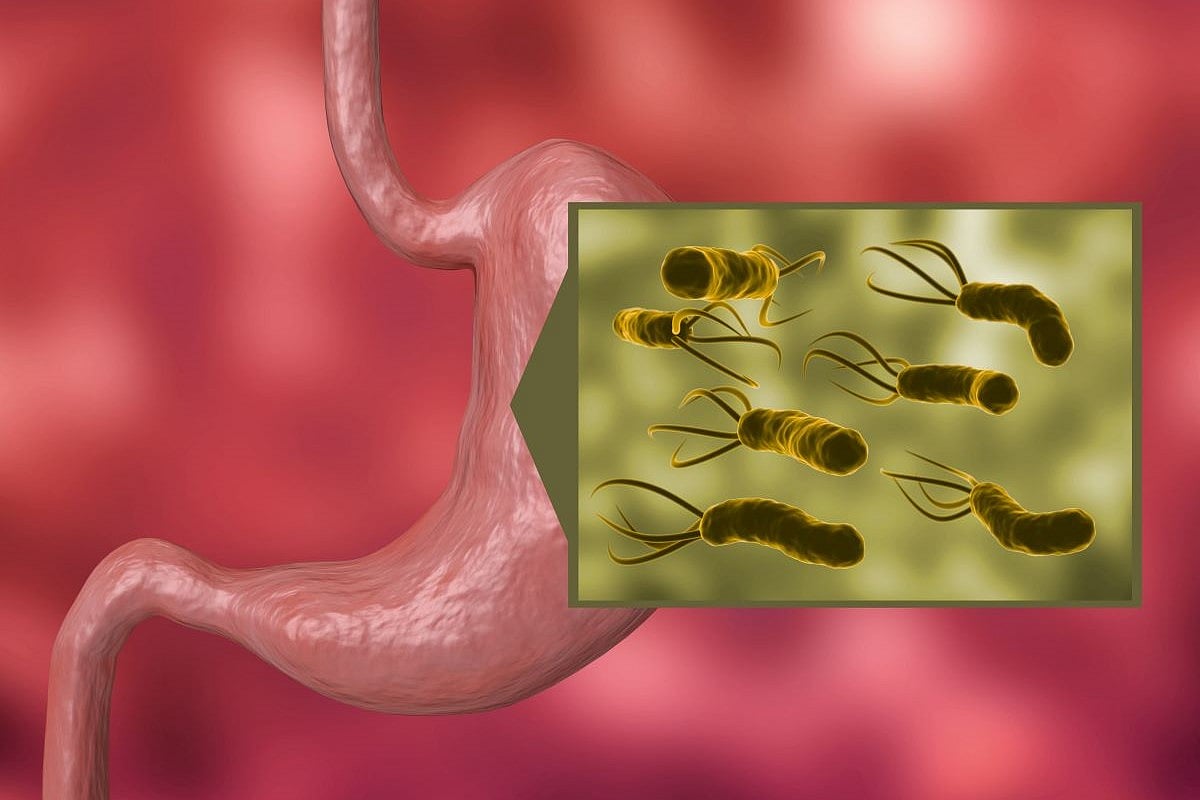 H. Pylori Exposure May Contribute to Global Burden of Colorectal Cancer
  Lower Breast, Cervical Cancer Screening Seen for Adults With Disabilities
  Gap Found Between Awareness of Breast Cancer Risk and Risk-Reducing Behavior
  Pre-Prostate Biopsy MRI Use Increased From 2017 to 2026
  Exercise Intervention Linked to Improved Attention, Memory in Breast Cancer
  Dense Breast Notification Linked to Increase in Use of Supplemental Ultrasound
 .jpg)




