


Findings seen for patients with somatic alterations in the PI3K signaling pathway
FRIDAY, Jan. 31, 2025 (HealthDay News) — Adjuvant treatment with 160 mg aspirin daily for three years cuts recurrence rates in patients with colorectal cancer with somatic alterations in the phosphoinositide 3-kinase (PI3K) signaling pathway, according to a study presented at the 2025 American Society of Clinical Oncology Gastrointestinal Cancers Symposium, held Jan. 23 to 25 in San Francisco.
Anna Martling, M.D., Ph.D., from the Karolinska Institutet in Stockholm, and colleagues randomly assigned 626 patients with stage I to III rectal cancer or stage II to III colon cancer with somatic alterations in the PI3K signaling pathways to either 160 mg of aspirin daily or placebo, within three months after surgery and continued for three years, as part of the ALASCCA trial.
The researchers found that after three years of follow-up, time to recurrence was lower for participants assigned to aspirin versus placebo (PIK3CA mutations in exon 9 and/or 20: hazard ratio, 0.49; 95 percent confidence interval [CI], 0.24 to 0.98; P = 0.044; PIK3CA mutations outside exon 9/20, PIK3R1 mutations, or PTEN mutations: hazard ratio, 0.42; 95 percent CI, 0.21 to 0.83; P = 0.013). A similar trend was seen for disease-free survival (hazard ratios, 0.61 [95 percent CI, 0.34 to 1.08; P = 0.091] and 0.51 [95 percent CI, 0.29 to 0.88; P = 0.017], respectively). Aspirin-related severe adverse events occurred in three patients (one gastrointestinal bleeding, one hematoma, and one allergic reaction).
“We have studied and demonstrated the value of a widely used, well-established, and cost-effective drug with a low-risk profile for patients with colorectal cancer,” Martling said in a statement. “In addition, this research highlights the importance of precision medicine and the use of advanced diagnostics. These tools can enable tailored treatments and the repurposing of existing drugs for new applications.”
Several authors disclosed ties to the pharmaceutical industry.
 Surveillance Colonoscopy at Five Years After Adenoma Removal Noninferior to Three Years
  Family History of CRC Increases CRC Risk Similarly in IBD, General Population
 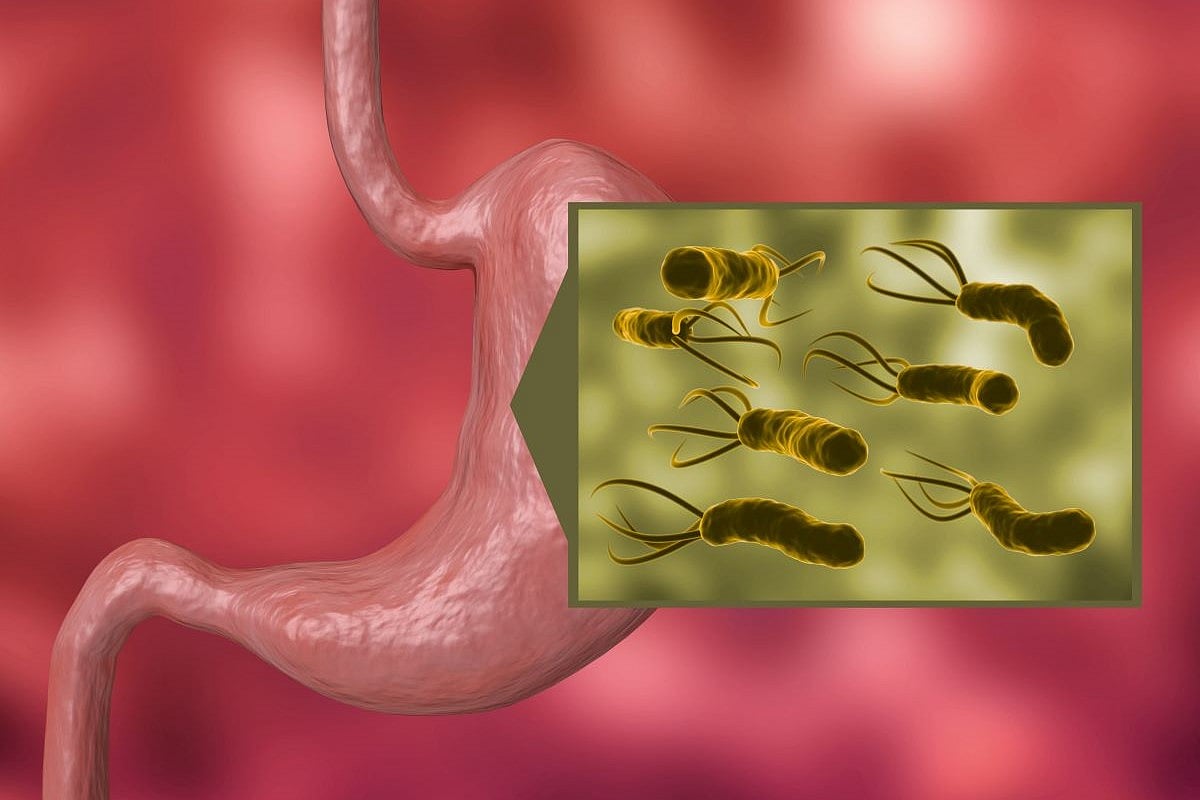 H. Pylori Exposure May Contribute to Global Burden of Colorectal Cancer
  Lower Breast, Cervical Cancer Screening Seen for Adults With Disabilities
  Gap Found Between Awareness of Breast Cancer Risk and Risk-Reducing Behavior
  Pre-Prostate Biopsy MRI Use Increased From 2017 to 2026
  Exercise Intervention Linked to Improved Attention, Memory in Breast Cancer
  Dense Breast Notification Linked to Increase in Use of Supplemental Ultrasound
 .jpg)




