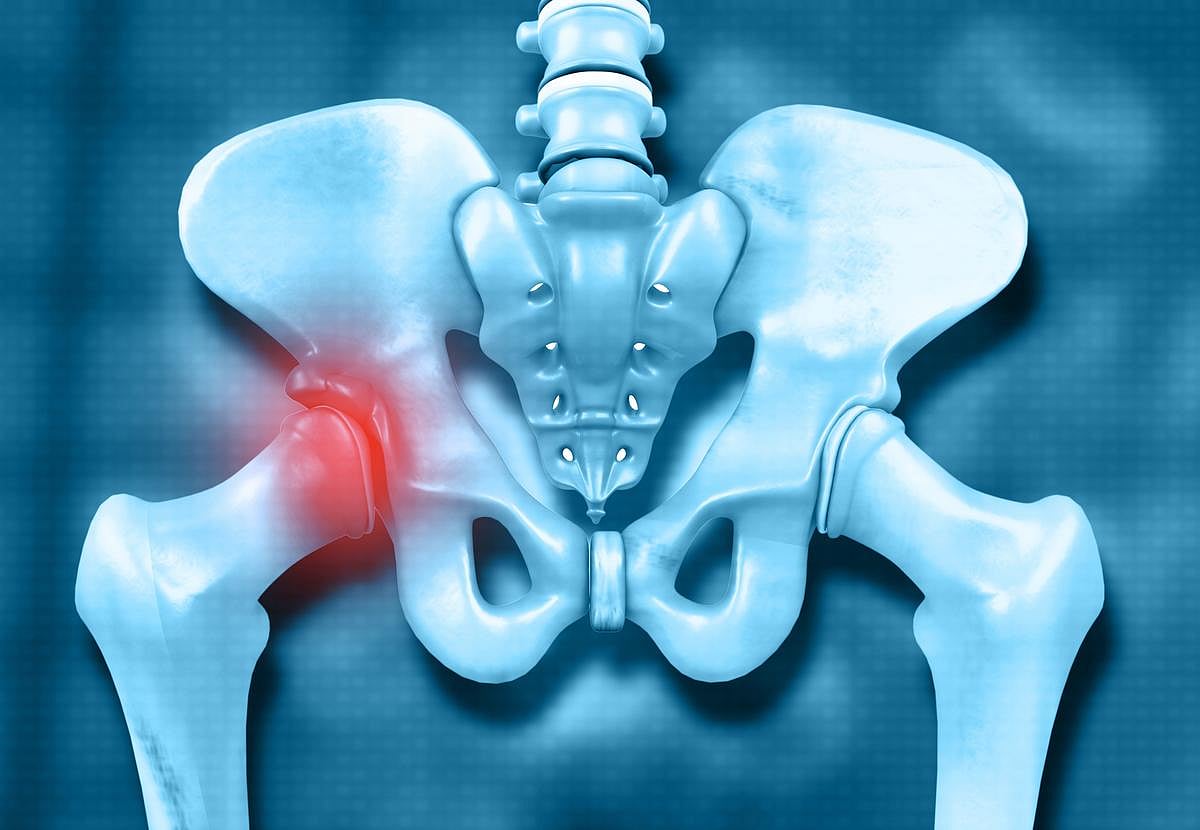
Risk for dislocation substantially reduced with DM-THR compared with conventional total hip replacement
FRIDAY, July 10, 2026 (HealthDay News) — Use of dual mobility (DM) total hip replacement (THR) is associated with a reduced risk for dislocation compared with conventional THR among patients with a displaced femoral neck fracture, according to a study published online July 2 in The Lancet.
Nils P. Hailer, M.D., from Uppsala University in Sweden, and colleagues compared the risk for dislocation in patients aged 65 years or older with a displaced femoral neck fracture receiving DM-THR versus conventional THR at 20 Swedish and 24 U.K. hospitals. Participants eligible for THR were randomly assigned to DM-THR or standard THR (798 and 802 individuals, respectively). Dislocation of the index joint, treated with closed reduction or open surgery within one year, was assessed as the primary outcome.
After exclusion of 34 participants due to prespecified protocol deviations, the modified intention-to-treat analysis included 1,566 participants. The researchers found that a dislocation occurred in 10 and 33 participants in the DM-THR and THR groups (1.3 and 4.2 percent), respectively (adjusted hazard ratio, 0.27).
“Together, surgeons in Sweden and the U.K. succeeded in delivering a large, pragmatic orthopedic randomized trial involving both smaller hospitals and major referral centers across two countries,” Hailer said in a statement. “Beyond the findings themselves, we believe this collaboration sets a new benchmark for future randomized trials in European orthopedic research.”
 Preoperative IV Iron Beneficial for Patients With Anemia Undergoing Cardiac Surgery
  NOACs Linked to Slower Cognitive Decline in Patients With A-Fib, Alzheimer Disease
  Adenotonsillectomy Tied to Increase in Respiratory Tract Infections in Children
  Onset of Mortality, Morbidity Delayed for Offspring of Centenarians
  Intensive BP Lowering Reduces Recurrent Stroke After Intracerebral Hemorrhage
  Acute Myeloid Leukemia Increasingly Impacting Older Adults Globally
  Habitual Fasting May Be Harmful for Older Adults
  Heart Stress Based on NT-proBNP Changes May Improve CVD Risk Stratification