


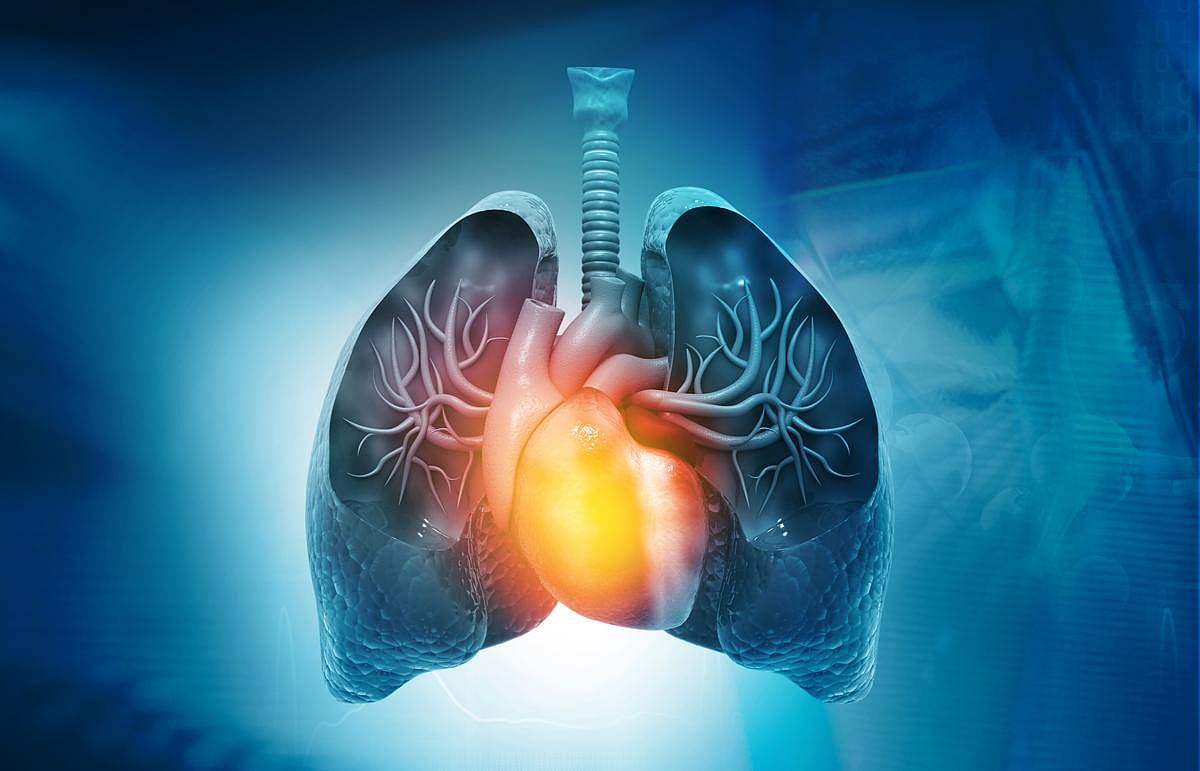
Independent links seen for higher epicardial adipose tissue volume with greater infarct size, larger area at risk, smaller microvascular obstruction
MONDAY, Dec. 22, 2025 (HealthDay News) — Patients with elevated epicardial adipose tissue volume (EATV) exhibit greater acute myocardial injury following acute myocardial infarction (AMI), according to a study presented at the annual congress of the European Association of Cardiovascular Imaging, held from Dec. 11 to 13 in Vienna.
Clara Hagedorn, from University Hospital Gӧttingen in Germany, and colleagues examined whether EAT-induced remodeling increases myocardial vulnerability to injury following AMI among 1,168 patients who were prospectively enrolled in a multicentric study. Participants underwent cardiovascular magnetic resonance imaging within 10 days after percutaneous coronary intervention following AMI.
EATV was manually derived for 962 patients from short-axis cine images and indexed to body surface area. The researchers found that patients with EATV in the upper quartile were older and had higher body mass index; the proportion of male patients was higher in all quartiles. Patients with higher EATV exhibited progressively increased infarct size (IS) and larger area at risk (AAR). Across EATV quartiles, there was variability seen in microvascular obstruction (MVO), but no discernible pattern emerged. Across all quartiles, left ventricular ejection fraction and global longitudinal strain remained comparable. In linear regression analyses, independent associations were seen for higher EATV with greater IS, larger AAR, and smaller MVO.
“We would like to understand more about the mechanisms by which EAT impacts the myocardium,” senior author Alexander Schulz, M.D., Ph.D., also from University Hospital Gӧttingen, said in a statement. “MI occurs at a relatively late stage in the development of coronary artery disease and it may be possible to intervene earlier in the process.”
 Pre-Prostate Biopsy MRI Use Increased From 2017 to 2026
  Exercise-Based Cardiac Rehab Beneficial for Coronary Heart Disease
  PET/MRI Offers Diagnostic, Prognostic Value in Pediatric Epilepsy
  UACR, UPCR Provide Indistinguishable Prognostic Information in CKD
  Lower Cognitive Functioning During 60s Linked to Subsequent Stroke Risk
  GLP-1 Receptor Agonists, SGLT-2is Slow Renal Function Decline in T2D With Albuminuria
 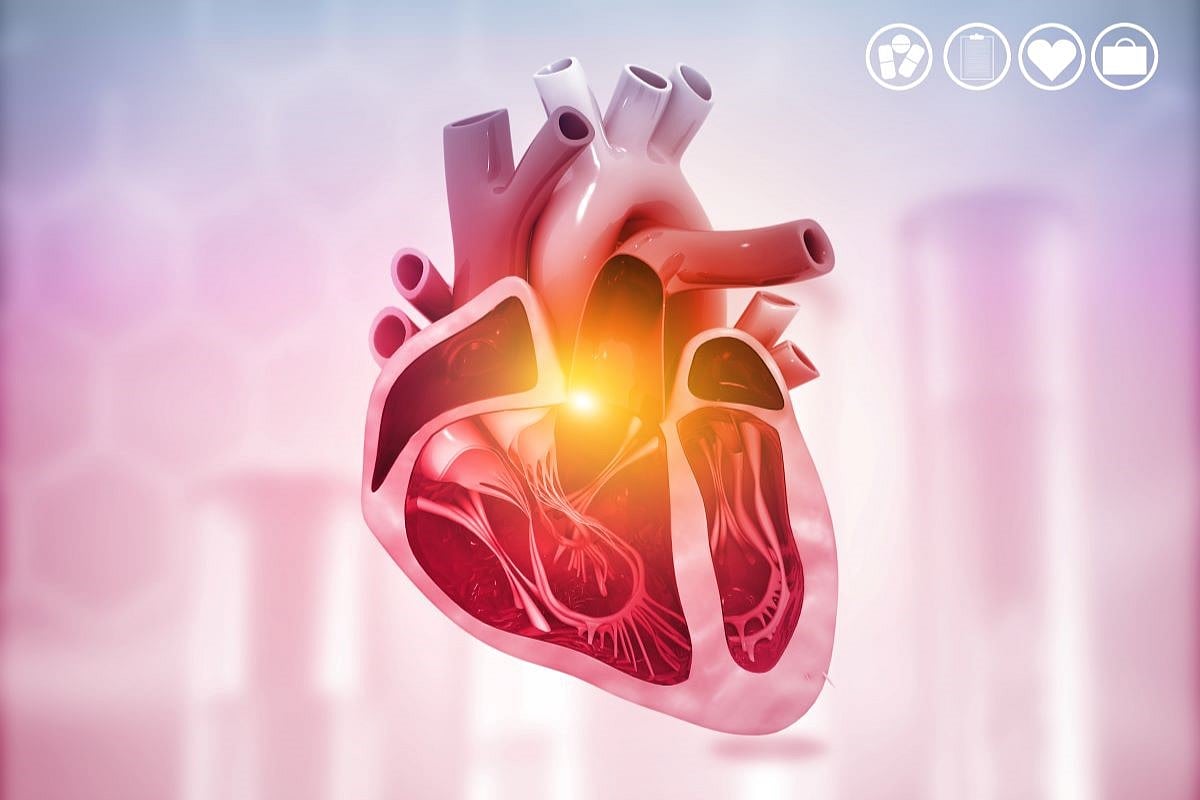 Elevated C-Reactive Protein Linked to Increased Risk for Incident Heart Failure, All-Cause Mortality
  Early Complications Common in Older Kidney Transplant Recipients




.jpg)