


No link seen between early exposure to cat allergens and asthma risk
THURSDAY, Oct. 2, 2025 (HealthDay News) — Indoor dog allergens may protect young children from developing asthma, according to a study presented at the annual congress of the European Respiratory Society, held from Sept. 27 to Oct. 1 in Amsterdam.
Jacob McCoy, M.D., from the Hospital for Sick Children & Research Institute in Toronto, and colleagues examined the longitudinal relationship between indoor allergen exposure during infancy with subsequent asthma and spirometry and the potential effect modification by genetic factors. The analysis included 1,050 children (mean age, 3.94 months) with dust samples participating in the CHILD study.
The researchers found that 6.6 percent of participants developed asthma by age 5 years. Higher Can f1 (dog allergens) significantly decreased the risk for asthma (odds ratio, 0.52). Those exposed to high versus low Can f1 had significantly higher forced expiratory volume in one second (FEV1) z-scores (β, 0.23), regardless of asthma status. A significant gene–environment interaction was seen for Can f1 and polygenic scores on FEV1 (β, −0.14). No association was seen for cat allergens.
“Our findings highlight the potential protective role of dog allergens, but we need to do more research to understand the link between early-life exposure to dog allergens, lung function, and asthma during early childhood,” McCoy said in a statement.
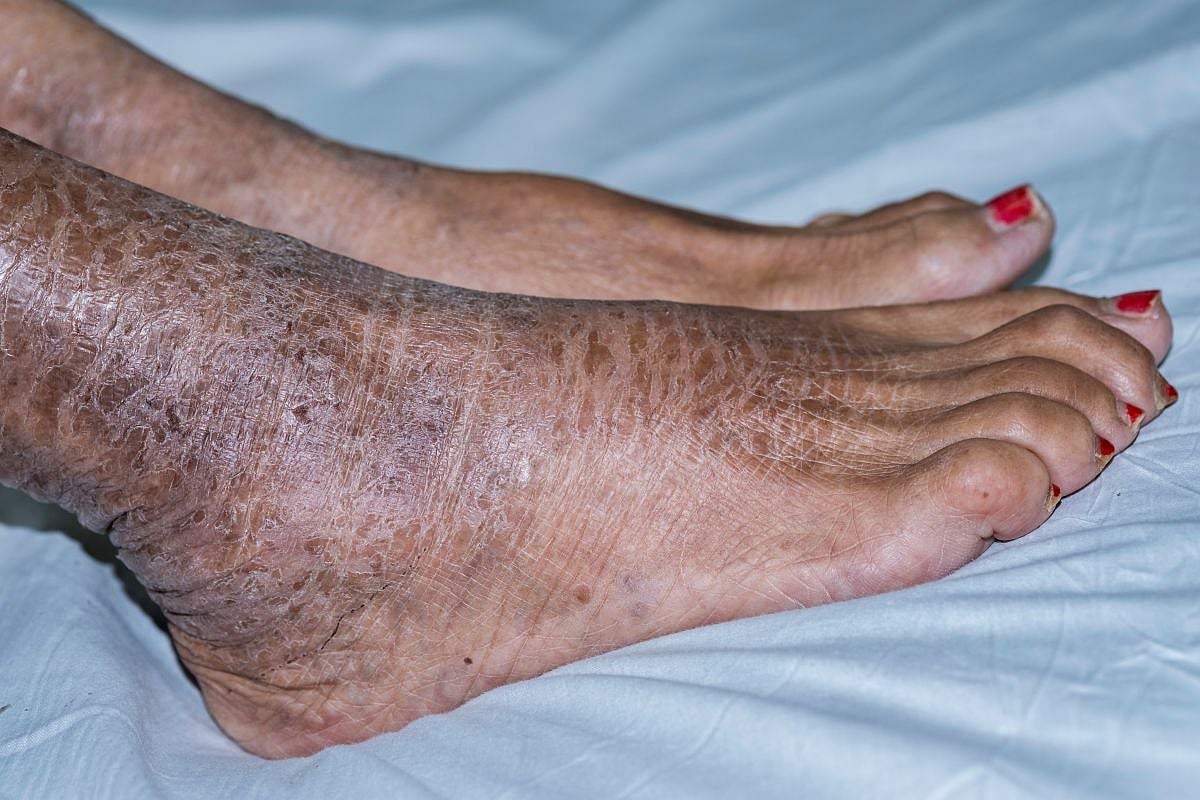 Congenital Ichthyosis Linked to Allergic Disorders
  Gene Mutation Identified That Increases Lung Cancer Risk
  Family History of CRC Increases CRC Risk Similarly in IBD, General Population
  Genetics, Diabetes Tied to MASLD-Associated Cirrhosis Before Age 50
  GLP-1 Receptor Agonists, SGLT-2is Slow Renal Function Decline in T2D With Albuminuria
  Steatotic Liver Disease Risk Scores Compared for Predicting Cirrhosis
  Cirrhosis Can Recur After Liver Transplant
  Study IDs Risk Factors for Ketoacidosis in Adults With T2D Receiving SGLT2 Inhibitors


.jpg)

