.jpg)
Some benefits include mitigation of cardiac toxicity, peripheral neuropathy, cognitive impairment, and dyspnea
THURSDAY, May 1, 2025 (HealthDay News) — Exercise mitigates adverse outcomes associated with cancer and its treatments, according to a review published online April 29 in the British Journal of Sports Medicine.
Xue-Li Bai, from the Fourth Affiliated Hospital of China Medical University in Shenyang, and colleagues conducted a systematic literature review to examine the comprehensive health impacts of exercise on people with cancer.
Based on 80 articles, all rated as moderate-to-high quality, the researchers found that 260 of the 485 associations (53.6 percent) were statistically significant and 81 (16.7 percent) were supported by high-certainty evidence according to the Grading of Recommendations Assessment, Development, and Evaluation criteria. There was moderate- to high-certainty evidence that exercise significantly mitigates adverse events associated with cancer and its treatments (e.g., cardiac toxicity, chemotherapy-induced peripheral neuropathy, cognitive impairment, and dyspnea), compared with usual care or no exercise. In people with cancer, exercise also modulated body composition and biomarkers (e.g., insulin, insulin-like growth factor-1, insulin-like growth factor-binding protein-1, and C-reactive protein) and enhances sleep quality, psychological well-being, physiological functioning, social interaction, and overall quality of life.
“Exercise reduces adverse events and enhances well-being through a range of health outcomes in people with cancer,” the authors write. “This study reinforces the efficacy of incorporating exercise into cancer treatment protocols.”
.jpg) Most Specialty Oral Anticancer Meds for Blood Cancers Are Initially Rejected by Insurers
Most Specialty Oral Anticancer Meds for Blood Cancers Are Initially Rejected by Insurers  Air Pollution Does Not Impair Benefits of Walking in Reducing COPD Exacerbation Rate
  Physical Activity Linked to Slower Cognitive, Motor Progression in Parkinson Disease
  Personalized Support Boosts Families" Genetic Testing for Hereditary Cancers
 .jpg) Cancer Survivors Have Lower Levels of Physical Activity
Cancer Survivors Have Lower Levels of Physical Activity 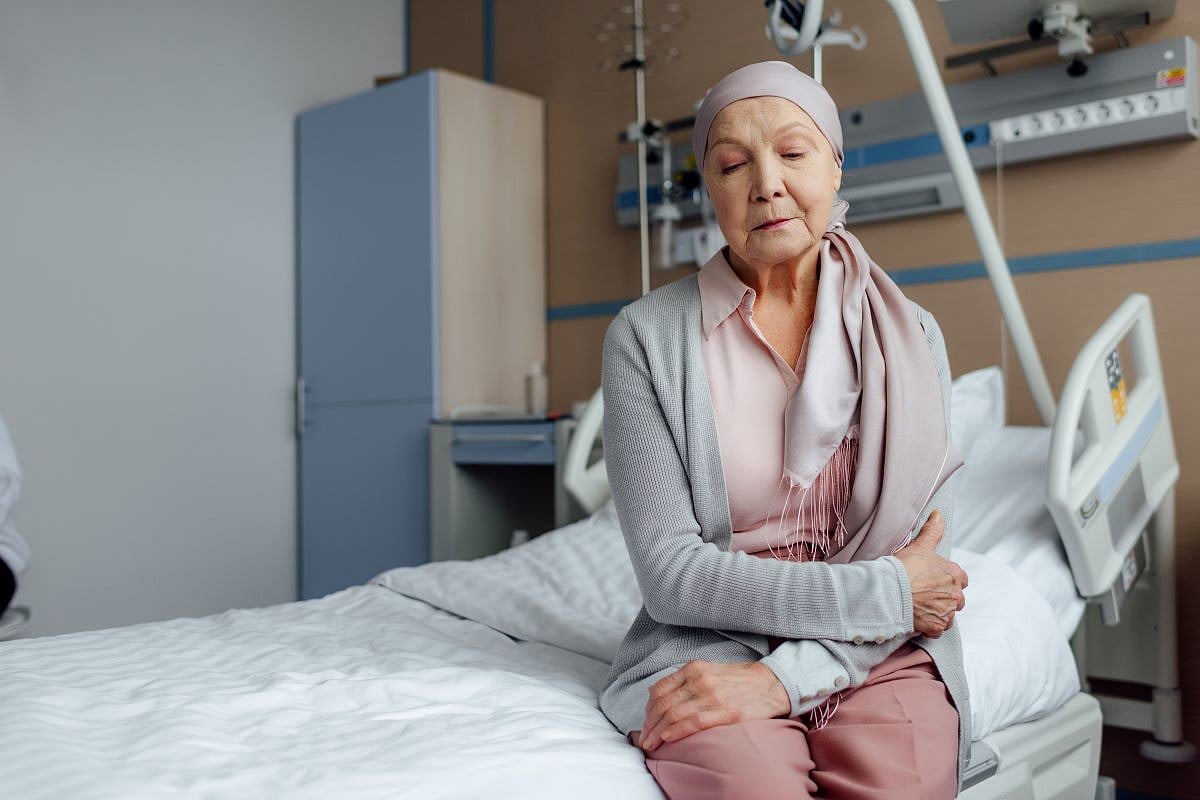 Pharmacist-Led Med Review Improves Medication Quality in Older Patients With Cancer
 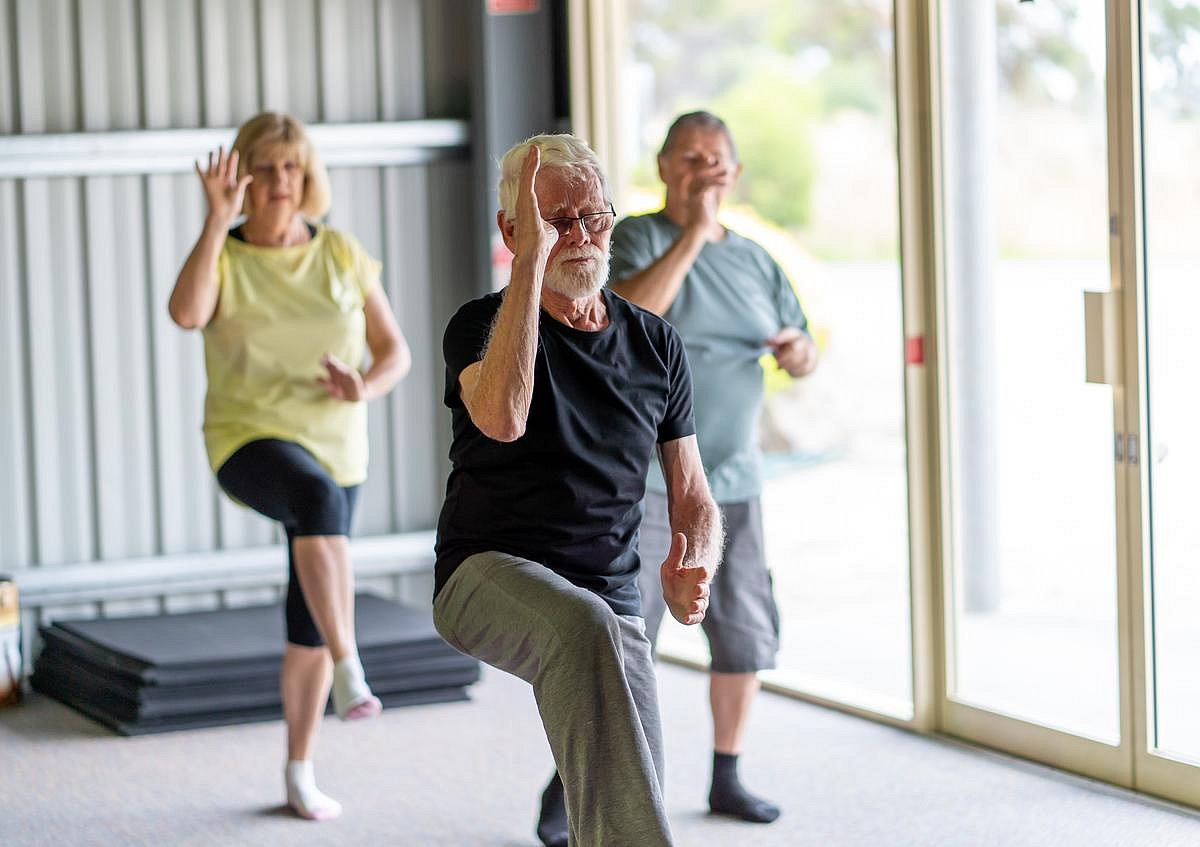 Mindfulness, Tai Chi May Benefit Cancer Survivors
 .jpg) Mortality Lowest at Hemoglobin Concentrations Above WHO Thresholds
Mortality Lowest at Hemoglobin Concentrations Above WHO Thresholds