


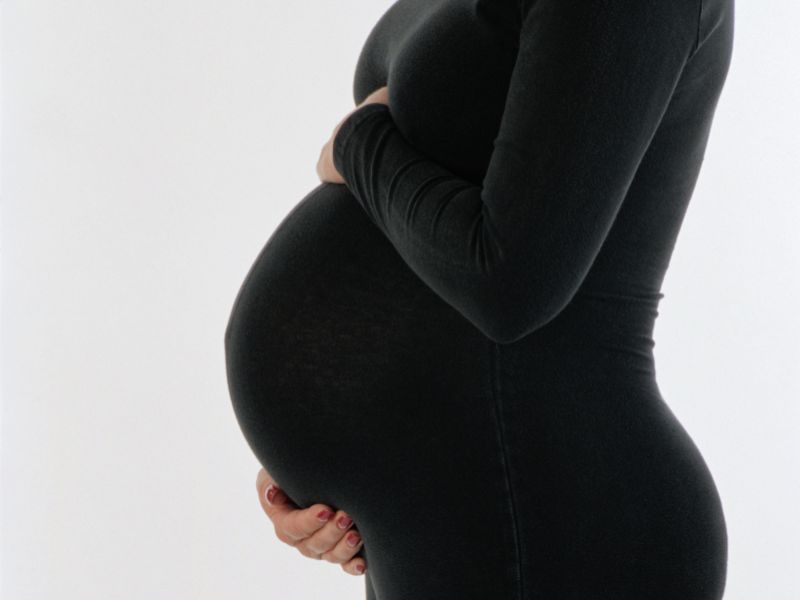
 More Tdap-exposed than unexposed neonates had high pertussis toxin antibody concentrations
THURSDAY, Nov. 1, 2018 (HealthDay News) — Tetanus, diphtheria, and acellular pertussis (Tdap) vaccines given to pregnant women early in the third trimester may offer the most protection against infant pertussis, according to a study published in the Oct. 9 issue of the Journal of the American Medical Association.
C. Mary Healy, M.D., from the Baylor College of Medicine in Houston, and colleagues determined pertussis toxin antibody concentrations in cord blood from neonates born to 626 women, immunized or not immunized with Tdap vaccine during pregnancy, to assess optimal gestational age for immunization to maximize concentrations of neonatal antibodies. A total of 312 of the women received the Tdap vaccine at a mean gestation of 31.2 weeks, and 314 were not immunized.
The researchers found that geometric mean concentrations (GMCs) of neonatal cord pertussis toxin antibodies from the Tdap-exposed group were 47.3 IU/mL versus 12.9 IU/mL in the Tdap-unexposed group. Compared with Tdap-unexposed neonates, more Tdap-exposed neonates had pertussis toxin antibody concentrations of ≥15 IU/mL (86 percent versus 37 percent), ≥30 IU/mL (72 percent versus 17 percent), and ≥40 IU/mL (59 percent versus 12 percent). When the Tdap vaccine was administered during weeks 27 through 30, GMCs of pertussis toxin antibodies were highest; they reached a peak at week 30 (57.3 IU/mL) and declined thereafter.
“Immunization with Tdap vaccine during the third trimester of pregnancy, compared with no immunization, was associated with higher neonatal concentrations of pertussis toxin antibodies,” conclude the authors.
Two authors disclosed financial ties to the pharmaceutical industry.
Abstract/Full Text (subscription or payment may be required)
 Low Levels of Placental Growth Factor in Pregnancy Linked to Subsequent ADHD in Offspring
 Recommendations Issued for Use of Incretin-Based Meds in Pregnancy
 Maternal Vitamin D Status Linked to Preterm Delivery
 IBD Not Linked to Risk for Hypertensive Disorders of Pregnancy Overall
.jpg) Pregnancy Complications Linked to Subsequent Risk for Cardiometabolic-Renal Conditions
 Isometric Exercise Training Three Times a Week Preserves Cardiovascular Benefits
 Serum 25(OH)D May Serve as Biomarker of Disease Activity in IBD
 Mom"s Poor Sleep in Late Pregnancy Linked to Offspring"s Obesity Risk in Early Childhood




.jpg)
