


IRH linked to incident heart failure, heart failure with preserved ejection fraction, heart failure with reduced ejection fraction
FRIDAY, Feb. 14, 2025 (HealthDay News) — Infection-related hospitalization (IRH) is associated with incident heart failure, heart failure with preserved ejection fraction, and heart failure with reduced ejection fraction, according to a study published online Jan. 30 in the Journal of the American Heart Association.
Rebecca L. Molinsky, Ph.D., M.P.H., from the University of Minnesota School of Public Health in Minneapolis, and colleagues examined the relationship between IRH and heart failure, heart failure with preserved ejection fraction, and heart failure with reduced ejection fraction in a study involving 14,468 adults aged 45 to 64 years who were heart failure-free at visit 1 in 1987 to 1989. Patients were followed for a median of 27 years.
The researchers found that 46 percent of the participants had an IRH and 3,565 had incident heart failure. For incident heart failure events, the hazard ratio was 2.35 for participants with versus those without an IRH. This association was consistent across different types of infections. IRH was also associated with heart failure with reduced ejection fraction and with preserved ejection fraction (hazard ratios, 1.77 and 2.97, respectively).
“Our findings support prior literature linking infection to heart failure risk as well as the need for more research exploring the potential for infection-prevention strategies, such as vaccination, to minimize heart failure burden,” the authors write.
 Elevated C-Reactive Protein Linked to Increased Risk for Incident Heart Failure, All-Cause Mortality
  UACR, UPCR Provide Indistinguishable Prognostic Information in CKD
  Use of SAMA, SABA Linked to Cardiovascular Events, Mortality in Asthma, COPD
 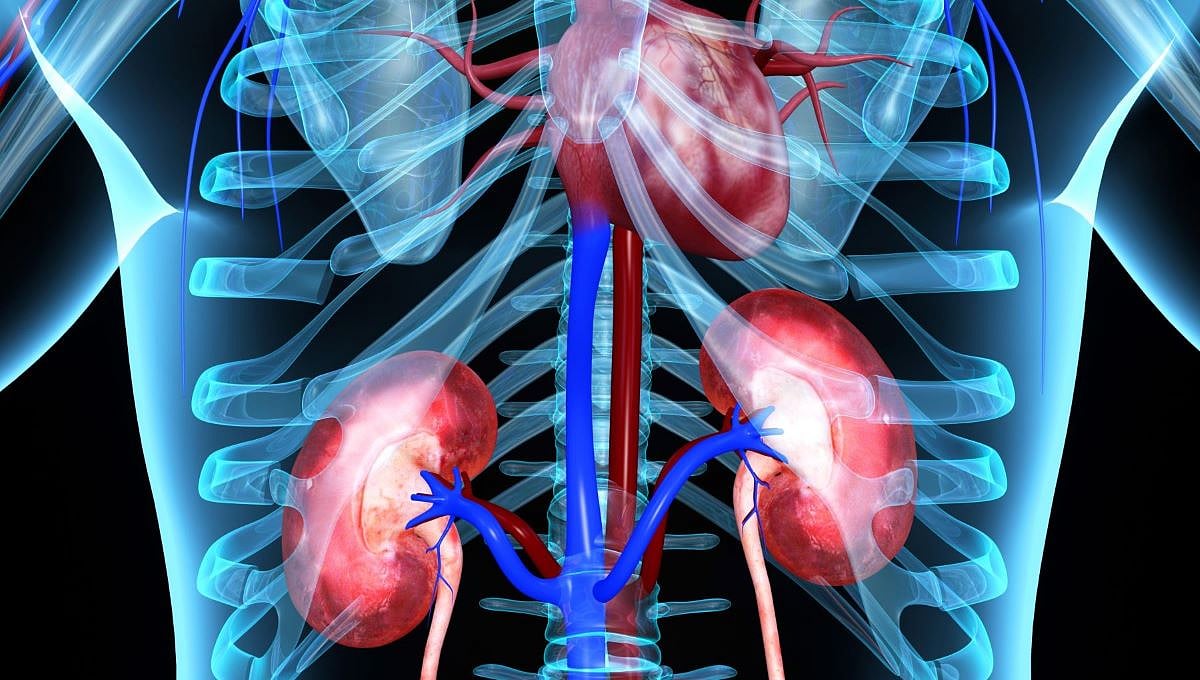 2011 to 2021 Saw Heart Failure-Related Hospitalization Rise in CKD
  GLP-1 Receptor Agonists, SGLT-2is Slow Renal Function Decline in T2D With Albuminuria
 .jpeg) 1997 to 2022 Saw Increase in Pediatric Hospitalizations With AKI
1997 to 2022 Saw Increase in Pediatric Hospitalizations With AKI  Early Complications Common in Older Kidney Transplant Recipients
  Frailty Linked to Incident Cognitive Decline in Men With CKD


.jpg)

