


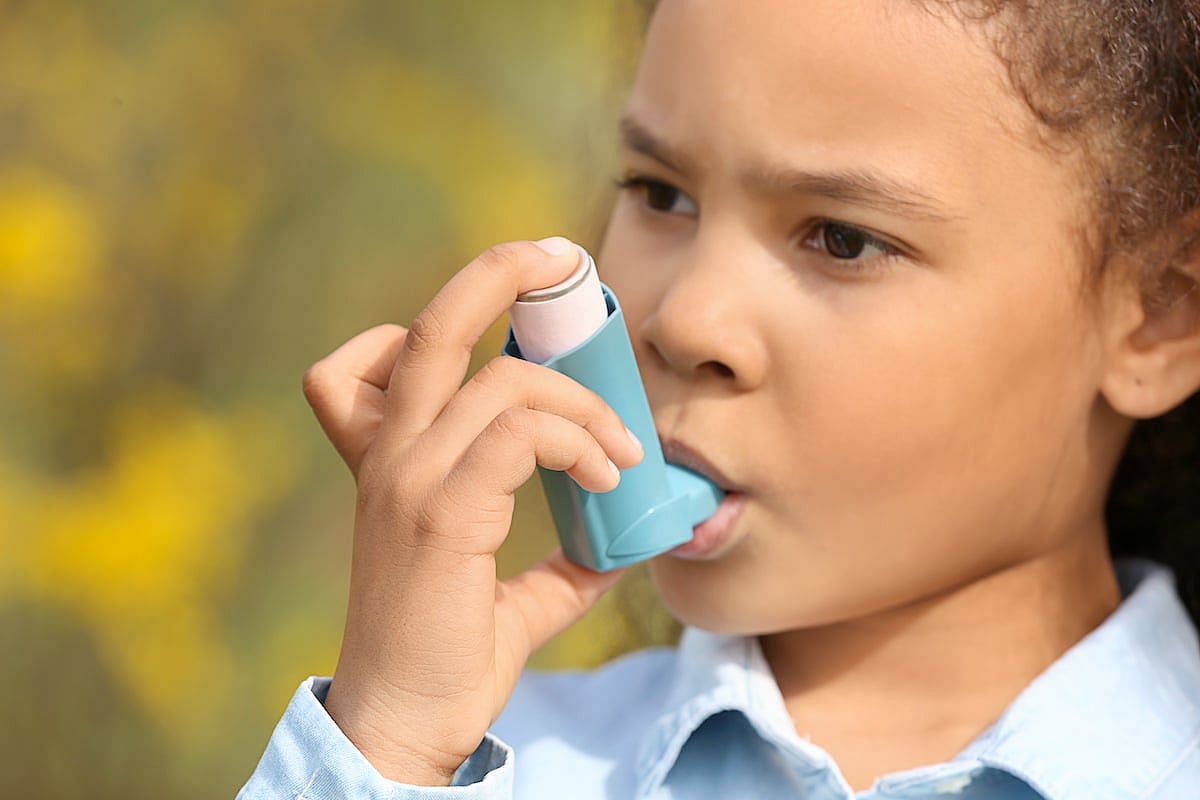
87 percent of total emissions were accounted for by albuterol, budesonide-formoterol, fluticasone propionate inhalers
WEDNESDAY, Oct. 15, 2025 (HealthDay News) — In the past decade, inhaler-related emissions have increased in the United States, according to a study published online Oct. 6 in the Journal of the American Medical Association.
William B. Feldman, M.D., D.Phil., M.P.H., from the University of California in Los Angeles, and colleagues quantified the magnitude, sources, and social costs of inhaler-related emissions from 2014 to 2024 in the United States in a serial cross-sectional analysis. Emissions were estimated from all inhalers approved for asthma or chronic obstructive pulmonary disease using aggregated dispensing data.
From 2014 to 2024, a total of 1.6 billion inhalers were dispensed in the United States, generating an estimated 24.9 million metric tons of carbon dioxide equivalents (mtCO2e). The researchers found a 24 percent increase in annual emissions from 1.9 to 2.3 million mtCO2e from 2014 to 2024. During the study period, metered-dose inhalers were responsible for 98 percent of all emissions. Emissions were concentrated among short-acting β-agonist, inhaled corticosteroid–long-acting β-agonist, and inhaled corticosteroid classes; 87 percent of total emissions were accounted for by albuterol, budesonide-formoterol, and fluticasone propionate inhalers. The emissions had an estimated social cost of $5.7 billion.
“Inhalers add to the growing carbon footprint of the U.S. health care system, putting many patients with chronic respiratory disease at risk,” Feldman said in a statement. “On the upside, there is tremendous opportunity to make changes that protect both patients and the planet by utilizing lower-emission alternatives.”
One author disclosed ties to the pharmaceutical industry; a second author served as an expert witness in litigation against inhaler manufacturers.
Abstract/Full Text (subscription or payment may be required)
 Air Pollution Does Not Impair Benefits of Walking in Reducing COPD Exacerbation Rate
  Use of SAMA, SABA Linked to Cardiovascular Events, Mortality in Asthma, COPD
  Aerobic Training, Behavioral Interventions Both Clinically Improve Asthma Control
  Fractional Exhaled Nitric Oxide Elevated in Pediatric Chest Tightness Variant Asthma
  Adenotonsillectomy Tied to Increase in Respiratory Tract Infections in Children
  Higher Short-Term Exposure to Pollen Linked to Lower FEV1 in COPD
  Higher Diet Quality Linked to Improved Lung Function in Asthma, COPD
  Lung Disease More Common With Ulcerative Colitis Than Crohn Disease


.jpg)

