


.jpg)
Poverty in these rural areas may compound this association for some age groups
FRIDAY, Aug. 30, 2024 (HealthDay News) — Patients with early-onset colorectal cancer (EO-CRC) living in rural areas have lower five-year survival rates than their urban-dwelling counterparts, according to a research letter published online Aug. 28 in JAMA Network Open.
Meng-Han Tsai, Ph.D., from the Georgia Prevention Institute at Augusta University, and colleagues examined the associations of EO-CRC mortality with persistent poverty, rurality, and the intersection of persistent poverty and rurality overall and within age groups. The analysis included 58,200 patients with EO-CRC identified from the 2006 to 2015 Surveillance, Epidemiology, and End Results Program.
The researchers found that overall, five-year survival was highest for those living in nonpoverty and nonrural areas (72 percent) and lowest for those living in poverty areas regardless of rurality (67 percent). There was some variation by age group (e.g., survival was 64 percent for those aged 20 to 29 years living in impoverished rural areas). Patients with EO-CRC who lived in rural areas alone had a 1.1-fold to 1.4-fold increased risk for CRC death versus patients living in nonrural areas (hazard ratios, 1.35, 1.26, and 1.12 for those aged 20 to 29, 30 to 39, and 40 to 49 years, respectively). For patients living in both poverty and rural areas, there was a 1.1-fold to 1.5-fold increased risk for CRC death versus patients living in nonrural areas (overall: hazard ratio, 1.29), with notably high estimates seen for those aged 30 to 39 years (hazard ratio, 1.51).
“Potential explanations for this association include patients with EO-CRC who lived in rural areas may have been diagnosed with later stage disease more frequently, underinsurance among younger adults, especially in nonexpanded Medicaid states with high rurality, or lower quality treatment received by patients in rural or impoverished areas,” the authors write.
 Surveillance Colonoscopy at Five Years After Adenoma Removal Noninferior to Three Years
 Family History of CRC Increases CRC Risk Similarly in IBD, General Population
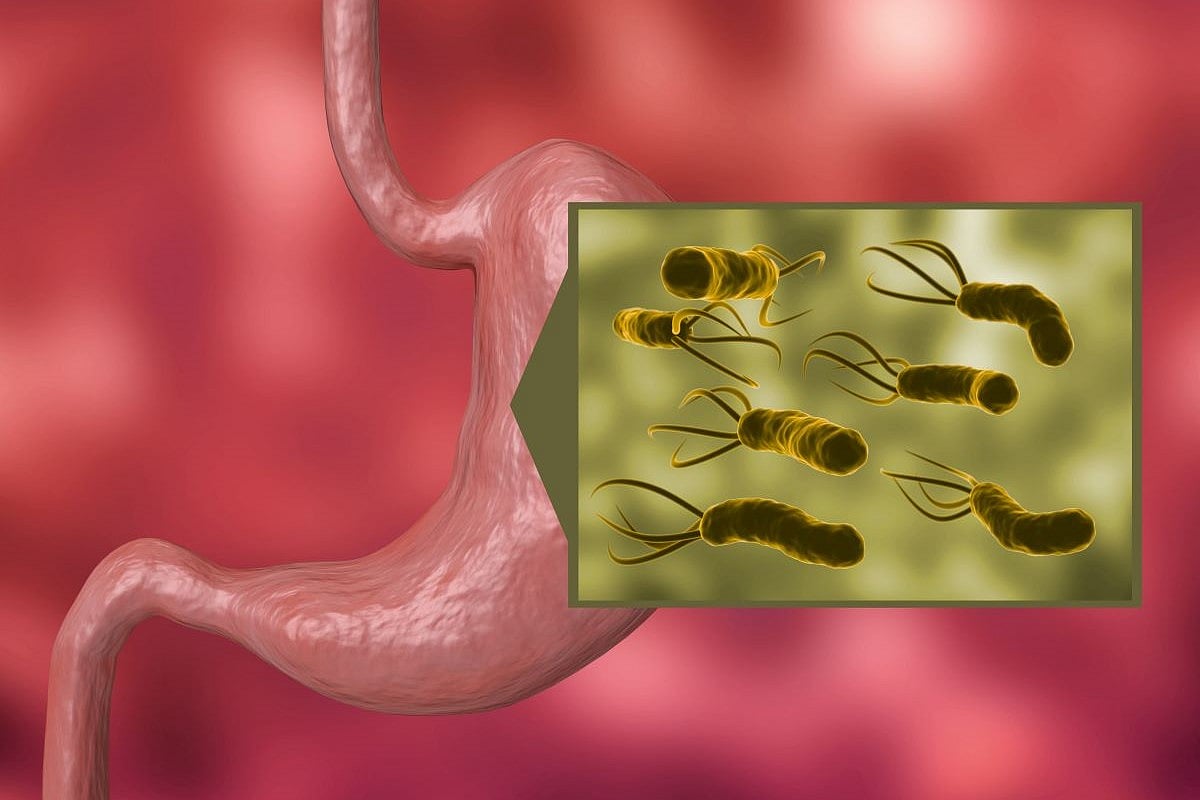 H. Pylori Exposure May Contribute to Global Burden of Colorectal Cancer
 Lower Breast, Cervical Cancer Screening Seen for Adults With Disabilities
 Gap Found Between Awareness of Breast Cancer Risk and Risk-Reducing Behavior
 Pre-Prostate Biopsy MRI Use Increased From 2017 to 2026
 Exercise Intervention Linked to Improved Attention, Memory in Breast Cancer
 Dense Breast Notification Linked to Increase in Use of Supplemental Ultrasound
.jpg)




